
17 Mar , 2021 By : kanchan Joshi
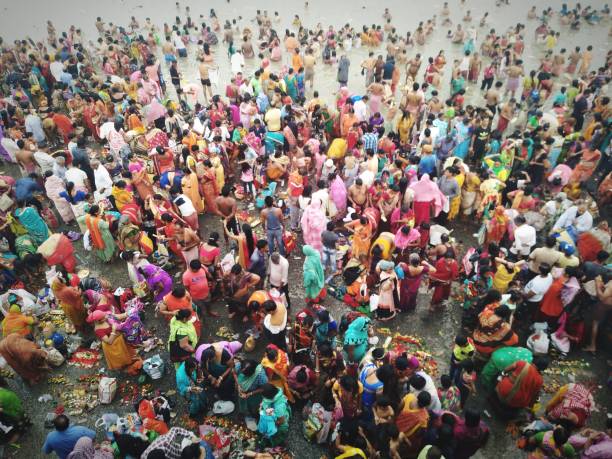
As new confirmed covid-19 cases are spreading to states outside Maharashtra, the risk of a second wave in India has risen materially. Economists at Nomura believe that that the second wave of covid-19 in India can lead to near-term growth concerns and delay market expectations on the timing of policy normalisation.
“However, we expect only marginal negative growth effects, because government restrictions are less stringent, the goods sector continues to chug along and households and businesses have adjusted to the new normal," Sonal Varma and Aurodeep Nandi, economists, Nomura said in a note on 16 March.
Over the medium term, progress on vaccinations, stronger global growth and lagged effects of easier financial conditions are likely to act as growth tailwind. The growth recovery and policy normalisation may remain as themes over the second half of 2021.
In response to rising cases, states have re-introduced restriction measures. In Maharashtra (which accounts for close to 14% of the national GDP), the city of Nagpur entered a seven-day ‘complete’ lockdown from 15 March. This comes on the heels of partial lockdown measures already in place for a number of districts in the state.
Hotels, restaurants, cinemas and multiplexes are permitted to operate at only 50?pacity, shopping malls need to implement strict protocols and all social, religious, political and cultural gatherings have been banned. Both Punjab and Madhya Pradesh have imposed ‘night curfews’ in key cities, while Karnataka is on a wait-and-watch mode over the course of the next week.
Nomura said, as states impose restrictions or households become more cautious, there could be some downside risk to the sequential pace of activity in the near-term. Services consumption, such as hotels, restaurant, domestic travel and transportation activity, are particularly at risk.
However, evidence from other countries that had imposed lockdowns suggests that the impact on activity has been more muted, relative to last April, and also relative to expectations. This is because government restrictions are less stringent, the goods sector continues to chug along and households and businesses have adjusted to the new normal.
“We maintain our base case that both policy rates (repo and reverse repo) and the accommodative policy/liquidity stance will be maintained at the 7 April policy meeting. The RBI’s willingness to maintain ample liquidity can also be explained by its objective to ensure a smooth borrowing program of the government," Varma and Nandi said.
As inflation momentum rises further, they expect policy normalisation to be the dominant theme starting mid-2021. They expect the Reserve Bank of India (RBI) to keep its policy repo rate unchanged in 2021. “However, we expect the process of liquidity normalisation to begin in mid-2021, the policy stance to shift to ‘neutral’ from ‘accommodative’ in Q3 (July-September), and a 25 basis points reverse repo rate hike in Q4. This is likely to be followed by 50 bps worth of repo rate hikes in first half of 2022, with risks skewed towards further hikes," they added.















0 Comment