
09 Nov , 2026 By : Shambhavi Mishra

? Quick Take: A massive $2.5 trillion has evaporated from the Nasdaq 100 following a brutal tech rout triggered by AI slowdown fears and political shifts. Indian investors with heavy exposure to US tech funds must watch macroeconomic contagion risks closely.
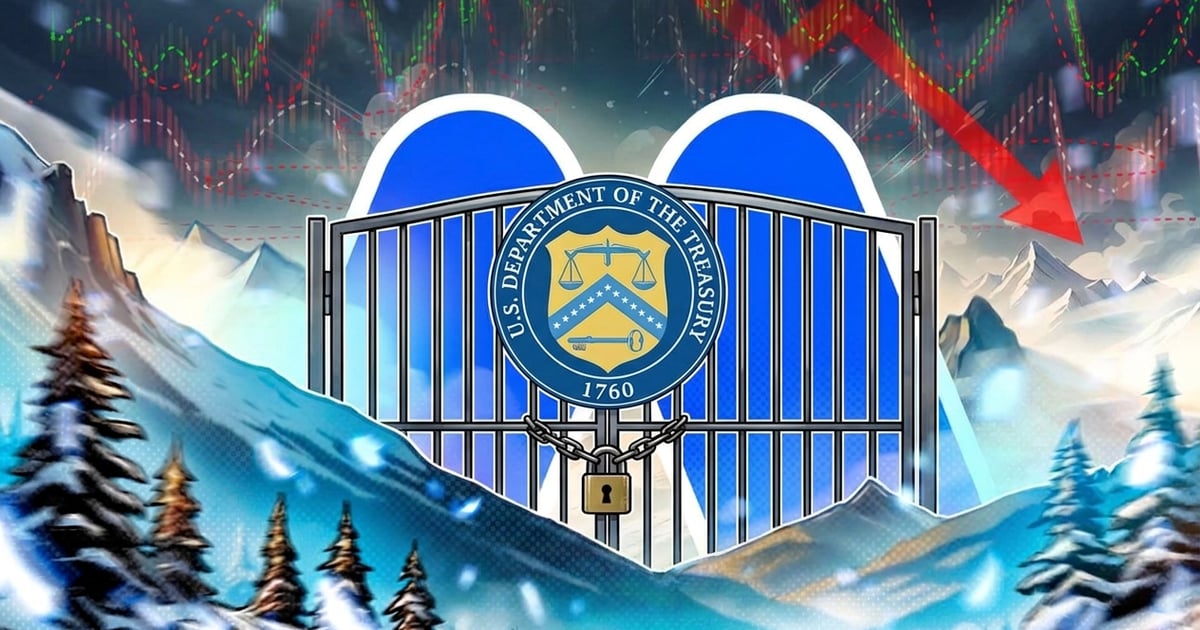
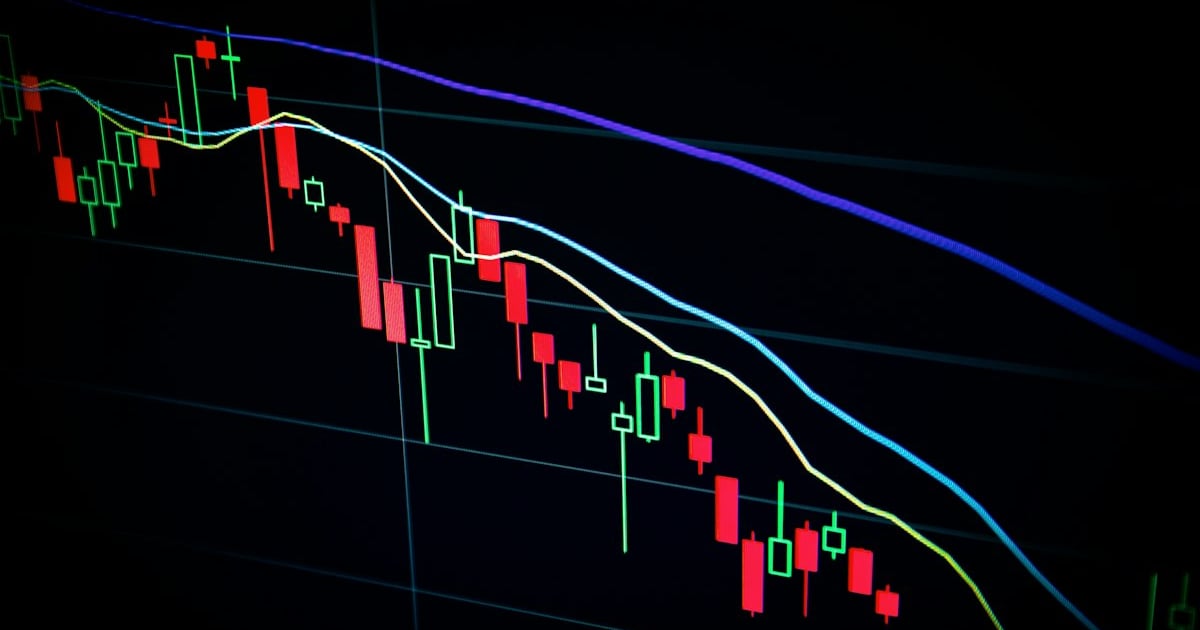
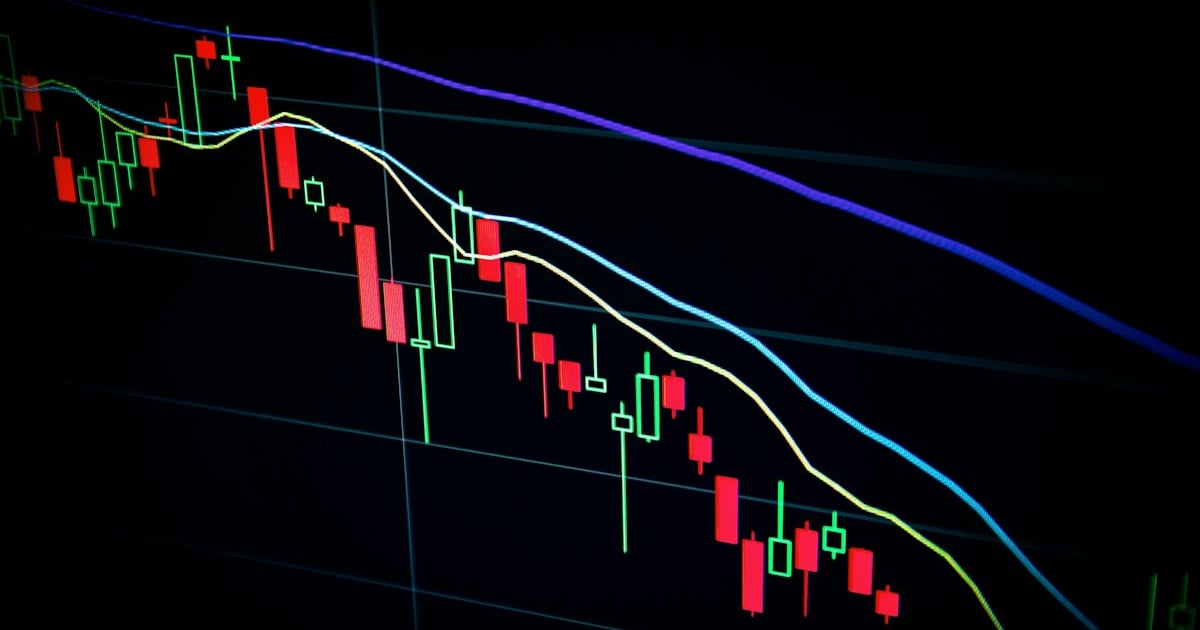
Wall Street just suffered a violent reality check. A staggering $2.5 trillion was brutally erased from the Nasdaq 100 index, marking one of the worst corrections in 19 months. What began as quiet murmurs over sky-high valuations in artificial intelligence giants quickly transformed into a full-scale panic, compounded heavily by the fallout from the U.S. midterm elections.
For months, the AI trade felt invincible. Mega-cap tech names printed endless gains on the back of aggressive infrastructure spending and lofty revenue projections. That narrative cracked under the weight of mounting skepticism regarding immediate returns on capital expenditure.
Investors suddenly began questioning whether the billions funneled into chips and data centers would actually show up on balance sheets anytime soon. When growth assumptions turn fragile, institutional capital exits fast. The sheer speed of the liquidation caught even seasoned quantitative desks off guard.
Adding fuel to the burning sell-off, the U.S. midterm election outcomes introduced fresh legislative uncertainty. Markets despise policy ambiguity. Shifts in congressional power immediately sparked fears of tougher antitrust scrutiny, tighter regulatory frameworks for big tech, and potential alterations to corporate tax paths.
Tech darlings that had propped up major indices for quarters bore the absolute brunt of the rotation. Trading floors across New York and London saw historic intraday volatility as automated stop-losses triggered cascading liquidations.
If you hold international mutual funds, feeder funds, or direct US equities via local brokerages, this bloodbath hits your portfolio directly. Indian tech stocks have historically decoupled to some degree, but the sheer gravity of a $2.5 trillion vacuum creates global risk aversion.
FIIs pull out liquidity from emerging markets like India whenever Wall Street faces systemic margin calls. Domestic retail investors should brace for short-term domestic index nervousness as global liquidity tightens.
Do not panic-sell your long-term allocations, but resist the urge to buy every dip blindly until market stabilization confirms a floor.
Source Attribution: Originally reported by gnews-top-india (https://news.google.com/rss/articles/CBMi3AFBVV95cUxPNVd2MXJTdjJkRTVVWUdfRVpLY21DM0hadXNfVUVvcXl3VWU5Yk9OZ1dDVk5XTnl3SnNhdWluWnVKTk5idWk0YXlMVlZOUHBNd3J4YmJ6N1JubVNGZ0tQOUoxbjhTblIxd0F3Undvai1LaDd0TmZzR1dRcXFhQlBtalhoa04wZzgtSXBhb0F6YVlkQXdlWThsd2pSYXZaUWt0UlJ5V0gzREpQSDNtNXgwQ1BNWE11Q1B6TGt2YjdQSU5CMlh1cWk3dE5PYUZkQ2tzTkJCQTZxeXBGWEhD0gHjAUFVX3lxTE1DS21hc2w3d3k2Zkk5RXplM2h1YmhWR0Q2Z3ZXdUJSallkMkxPN1FaOUNTTnN1MTZrNlF1RXZrVmMtMjBGNHFwRFEzMFNiVmdyMzdNbWU0MllFd2NyLTBHaFVLT0pmVFlYd3NlT2xicUtqd2ZTelFWUTZ6RE9HaDVrZllJQkZMNDhJbVZJcUZia0VyQzlVaE5DNmxvTUxJaHc1UjZkWXdNQVAzS3g5SWF4Rkx0WVhoOHN6OVlXZm1YNDJ1NklUUFREWFItS3c2b1NSaFRNWGg1NVBvQjhaNnVjc0Nr?oc=5).
Disclaimer: The financial, market, and corporate developments published above are reported for informational and educational purposes only. GrowMudra does not provide investment advice or stock recommendations. Readers are strongly advised to consult a SEBI-registered financial advisor before making investment decisions.






























0 Comment