
23 Nov , 2026 By : Shambhavi Mishra

? Quick Take: Iran has warned of massive retaliation as Israel reportedly prepares for military strikes, triggering fierce diplomatic rows. For Indian investors, this escalation threatens immediate crude price volatility and portfolio risk aversion.
Geopolitical tremors are once again shaking global energy corridors. Tehran has issued stark warnings of expanded retaliation just as reports indicate the Israeli military is reading up for a direct strike. For Dalal Street and retail investors tracking crude benchmarks, this is the worst-case escalation matrix playing out in real-time. Supply lines are jittery, safe-haven assets are flashing green, and the economic fallout is threatening emerging market currencies.
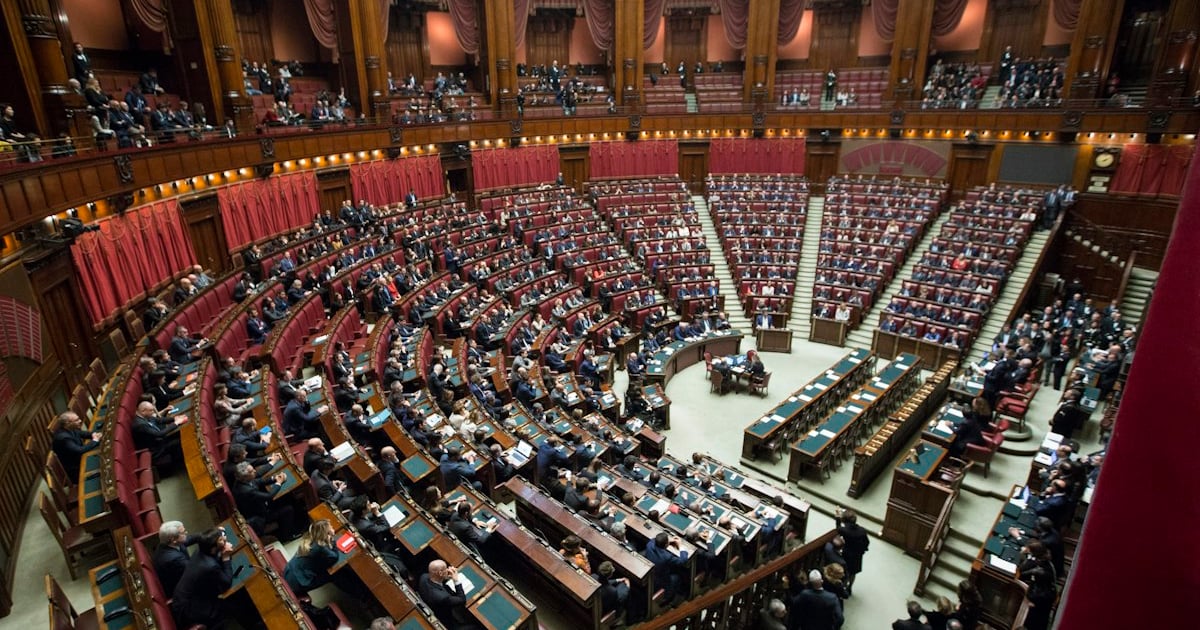
Behind closed doors, the pressure cooker is hissing loudly. Reports have surfaced detailing a high-voltage clash between Donald Trump and Benjamin Netanyahu regarding the unfolding Iran strategy. Meanwhile, domestic political friction inside Israel is mounting rapidly. Opposition leaders are demanding that no major military strikes be authorized before the next government takes the reins, adding severe domestic instability to an already volatile operational equation.
Security chiefs, including figures like Zamir, have repeatedly cautioned against rushing into ill-advised actions against Tehran. Yet, the military has been asked to prepare contingency frameworks for an expansive campaign. Tehran has fired back with explicit warnings directed at both regional actors and American bases, raising the specter of a much wider regional conflagration that no central bank can insulate against.
Energy security remains India's biggest structural vulnerability. Any direct military exchange involving Iran immediately threatens the Strait of Hormuz—the vital maritime chokepoint through which a massive share of global oil passes. Brent crude futures are reacting nervously to every headline flashing out of the Middle East.
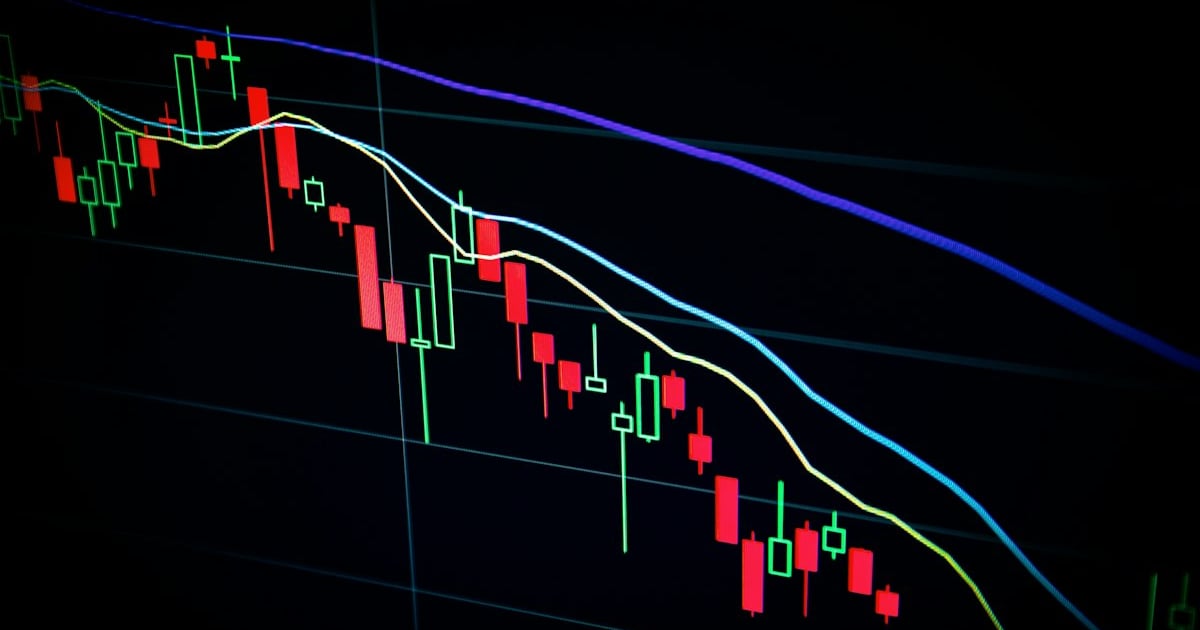
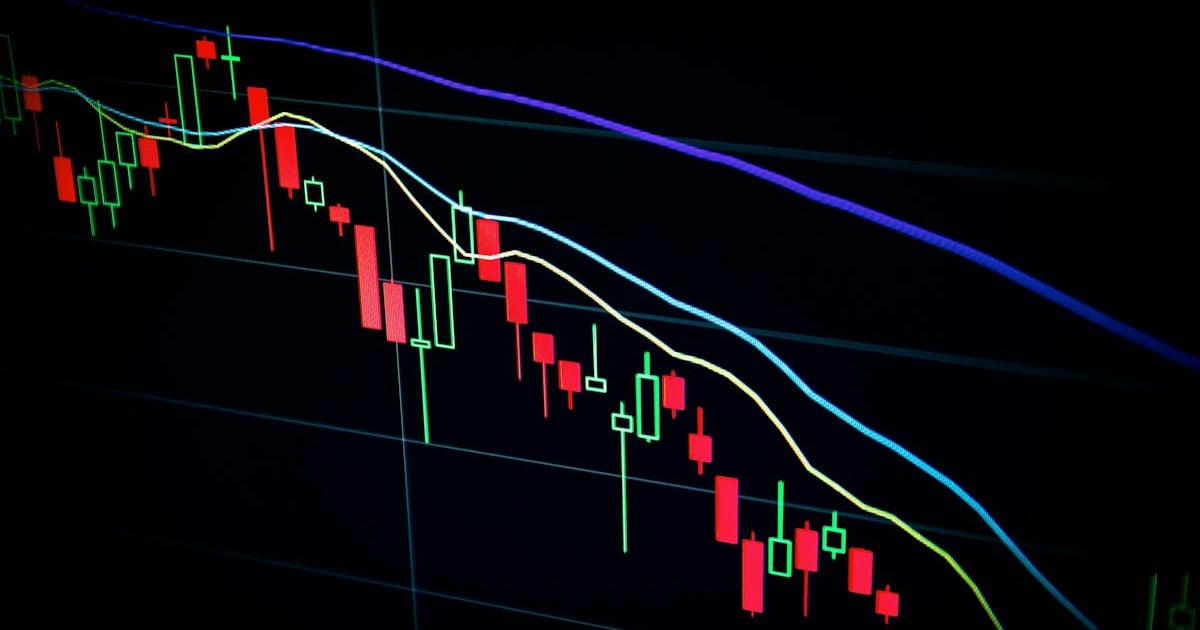
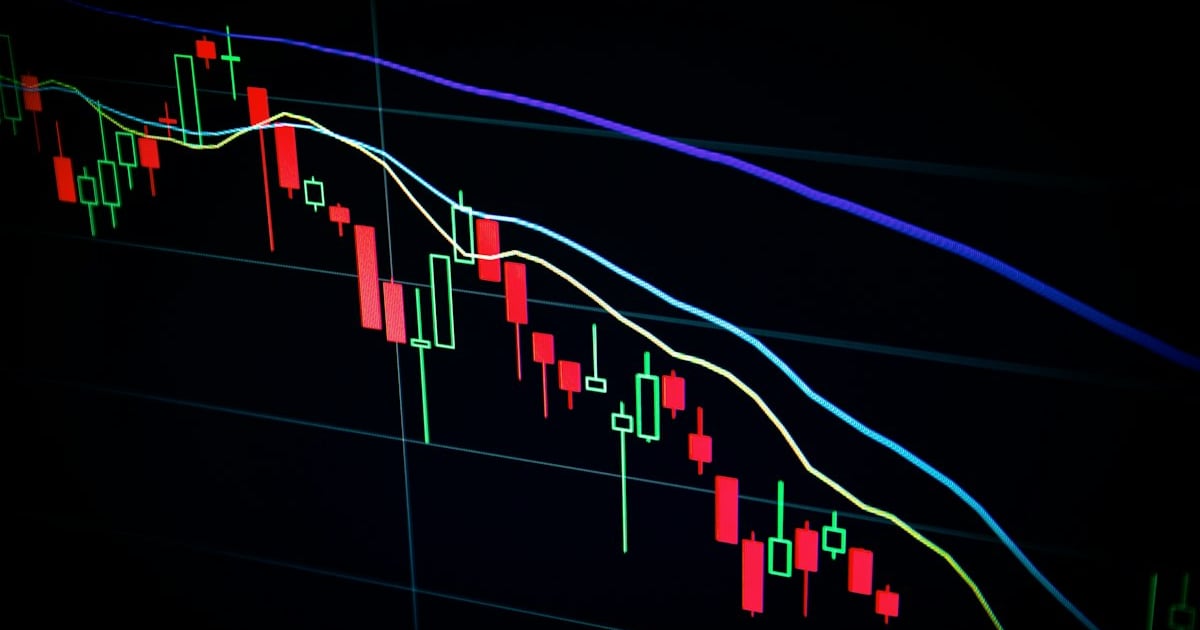
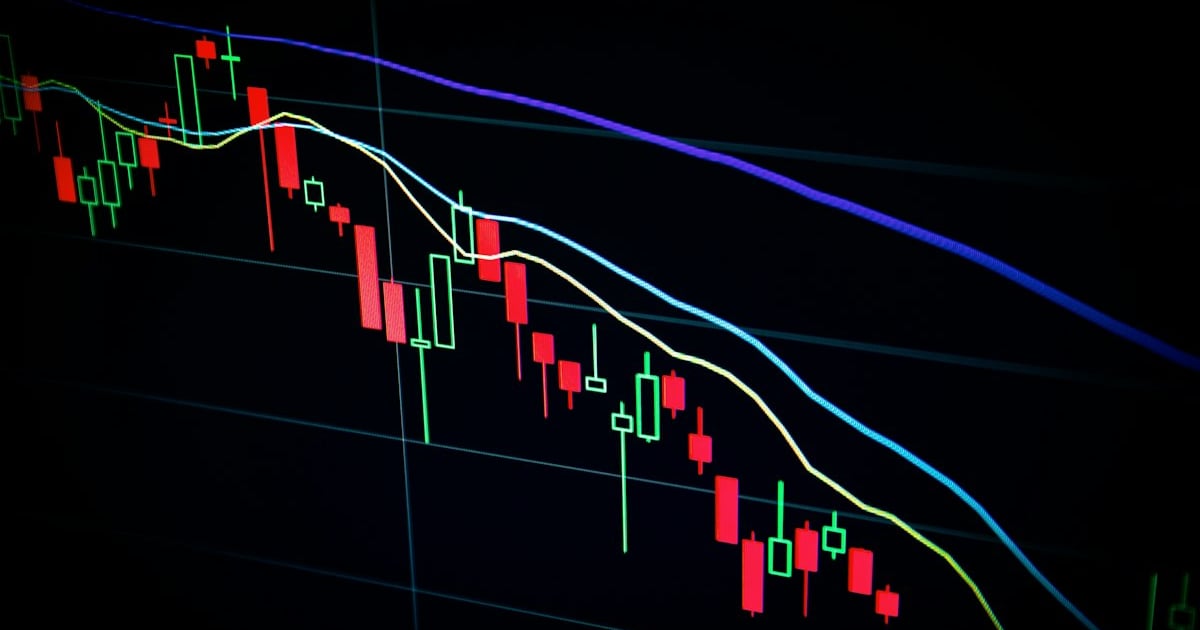
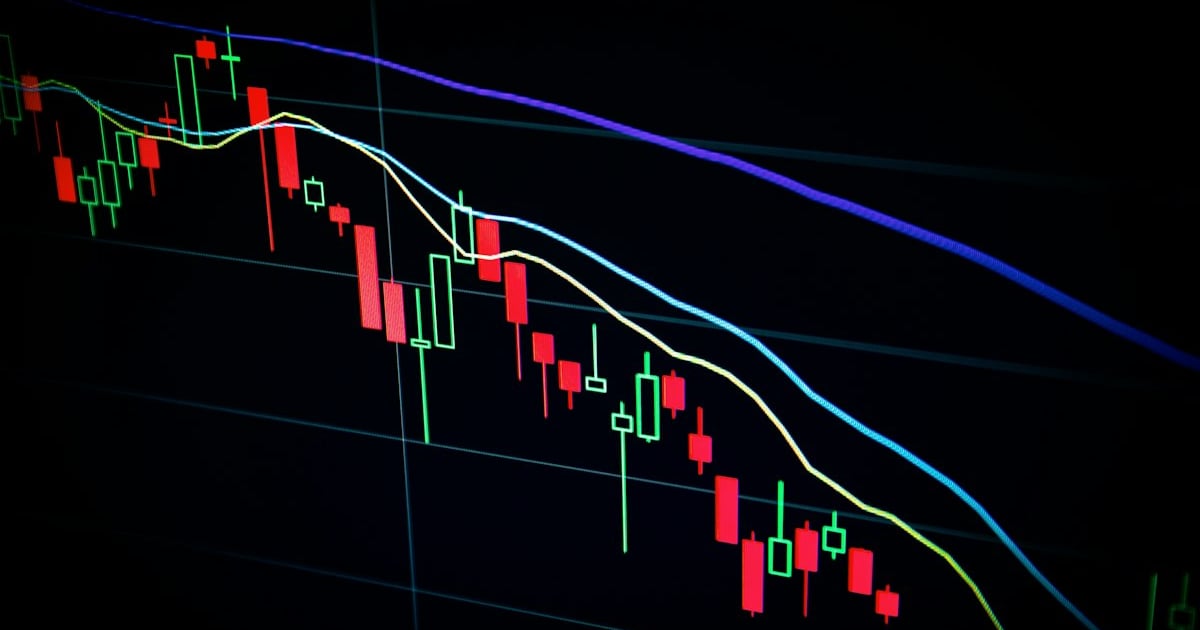
When oil spikes, India's import bill balloons, widening the current account deficit and placing heavy depreciation pressure on the Rupee. Local equity markets hate this macro cocktail. Foreign portfolio investors typically pull out capital from emerging markets during prolonged Middle East standoffs, parking funds safely in dollar assets and gold.
Source Attribution: Originally reported by gnews-world (https://news.google.com/rss/articles/CBMitgFBVV95cUxNaGV6WFJxeUNSa0ZVZFFWdC1mUGJUbEtIZldwSjJDWGQxUnFodTZ5akhnY010WTRLMXYtNjh5akpyczZkNjg1LXlUUnlQakJ5WmxORm9xQ0M4ck81WU9WWlhHU0x5WU1neXJrbTU0ZDRtd0JWa01TUTdRNjN1SDZfUkRObDg1dmJySkR3THpuaWh1TU94NVVMSHBJbEZ6VHNWUTlCNC1tTklKWFZlLXBvTHJWVkRtZ9IBuwFBVV95cUxPNmpBLWlIVTN1aUhtZ3R0amt5bWlCWGliV19MV2x5WExRRndaY2o0Nmc3cjVnZnFhX0Y3ZzVRMzBoQV9lZnctRWNiSlZ4LUtMV0JYVEVqaWpwSHo0STQ5Qzc0V0ZmMGlEZDBDNlduRVp2TUx1TjhURlRKYXdzS1N3Z1FKZ3ZJQjBTbGxyOW9tVHJaWXpDZkFqY0pEbVNEaDVkOUNmVmdoUFpQQTJTQnktZU94d3JMVm1iNFVR?oc=5).
Disclaimer: The financial, market, and corporate developments published above are reported for informational and educational purposes only. GrowMudra does not provide investment advice or stock recommendations. Readers are strongly advised to consult a SEBI-registered financial advisor before making investment decisions.
























0 Comment