
29 Nov , 2026 By : Shambhavi Mishra
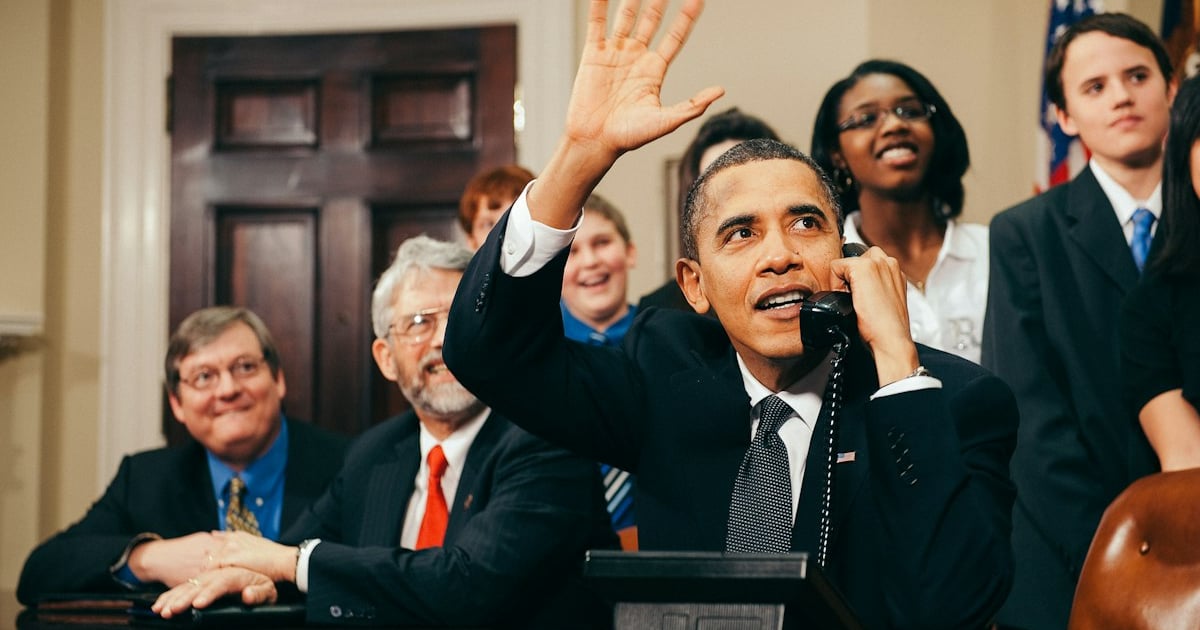
? Quick Take: Karnataka Chief Minister DK Shivakumar's candid anecdote about PM Modi paying his metro fare masks a serious economic pitch. Behind the viral transit story lies an urgent push for central drought relief funds and agricultural pricing support.
When the Prime Minister of a country steps in to swipe his transit card because you left your wallet behind, it makes for brilliant optics. But for Karnataka Deputy Chief Minister and state Congress heavyweight DK Shivakumar, the viral metro ride with Narendra Modi served as an unconventional icebreaker for a much graver fiscal agenda. Beneath the social media chatter about token gestures and commute camaraderie lies an intense battle for state funds that directly impacts Karnataka's rural economy.
Unscheduled political meetings rarely happen by pure coincidence in New Delhi. While the casual metro journey captured headlines and sparked amusement across television networks, the subtext remained decidedly serious. Shivakumar used the informal setting to press the Centre on pressing financial matters affecting millions of citizens across southern Karnataka.
For market watchers and regional stakeholders, the meeting signals a pragmatic approach to federal governance. Political rivalry often takes a backseat when state exchequers face severe revenue constraints driven by climate shocks. The state leadership needs central backing, and public bonhomie is often the first step toward unlocking fiscal cooperation.
At the center of Shivakumar's discussions with the Prime Minister were two critical demands: expedited drought relief packages and fair pricing frameworks for sugarcane farmers. When agricultural belts suffer prolonged dry spells without adequate financial cushions, rural demand dries up instantly. Consumer goods, tractor sales, and micro-lending portfolios in rural Karnataka feel the pinch immediately.
Investors tracking regional economic indicators cannot afford to ignore these bailout requests. State-level agrarian distress directly translates to non-performing asset risks for cooperative banks and microfinance institutions operating in the region. A timely intervention by the Centre acts as a crucial economic stabilizer.
Shivakumar’s public call to 'compete in politics, but collaborate in development' reflects a mature realization about India's federal structure. Economic policy cannot remain hostage to partisan friction, especially when crop yields and rural livelihoods hang in the balance. Markets thrive on policy certainty and collaborative execution rather than endless gridlock.
Whether this casual transit encounter translates into actual fund disbursals remains the real test. Bureaucratic machinery moves slowly, but fiscal pressure leaves little room for delay. For now, the ball is firmly in the central government's court to match the warmth of the metro ride with concrete financial allocations.
Source Attribution: Originally reported by gnews-top-india (https://news.google.com/rss/articles/CBMi7gFBVV95cUxPMldkXzlxSXBDdVhnWDU0cm9TNm9sbEVpTndLUmVvR1hlaUVLSDlMZTNCbGs0b1BSdUJvaXZvOXB2X1BabTZNeV83REJBYmgxcTFaYkpKeDFNcnF2RGpLbTdFV21yaXBxZFM1QlpYRXFidnVSNVJnOTF0OTZwc1A5RkN4bi1kb3pYMHo3V2NRc3VxaW5CaVBjMWhfTC1aQ282VEVwTjRacDRkVjRnS1U1OUtKR2RQQU43M3RaUGswcFEwbUF5WHlYYVFLTk9uZkNQZjc1X3lCSVpsSU9SY0plWkNLSlVRQk0xek1DaHBR?oc=5).
Disclaimer: The financial, market, and corporate developments published above are reported for informational and educational purposes only. GrowMudra does not provide investment advice or stock recommendations. Readers are strongly advised to consult a SEBI-registered financial advisor before making investment decisions.



























0 Comment