
29 Nov , 2026 By : Shambhavi Mishra
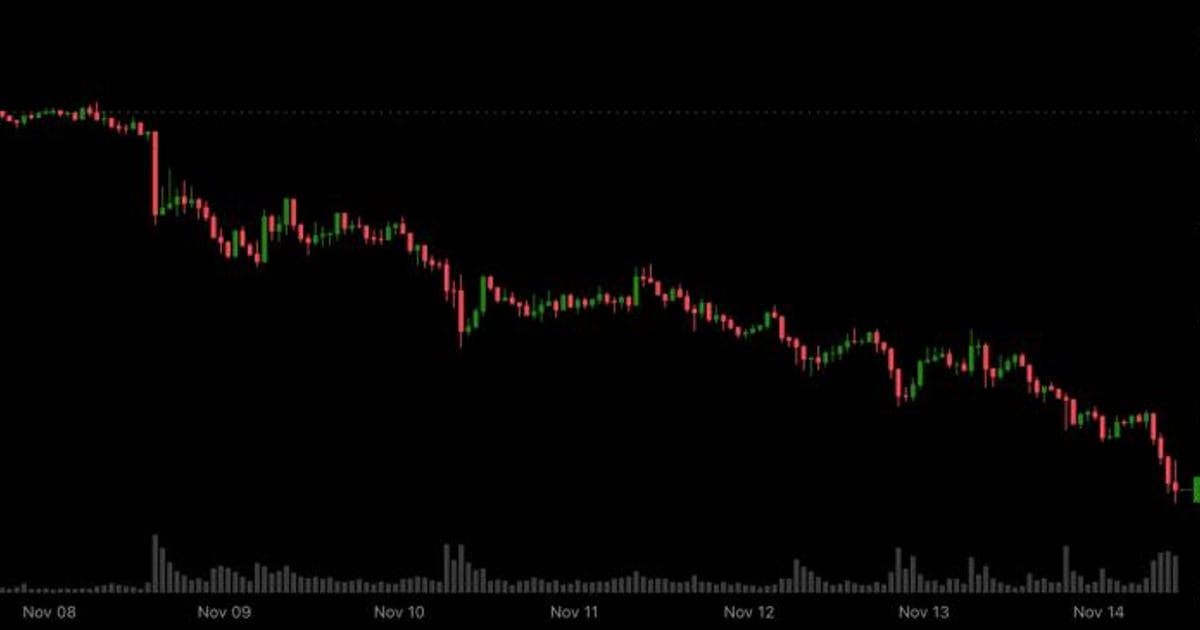
? Quick Take: XRP has slumped to its weakest valuation since November 2024 as institutional capital retreats through persistent ETF outflows. For retail traders and market participants, this liquidation wave signals a painful contraction in broader digital asset liquidity.
Crypto market participants woke up to a harsh reality check as XRP plummeted to multi-month lows, dragging investor sentiment down with it. The steep correction is not an isolated event; it mirrors a relentless drain of capital from major digital asset vehicles as risk appetite evaporates globally.
The numbers behind the current sell-off paint a grim picture for token holders. Persistent ETF outflows have turned traditional institutional channels into exit doors rather than accumulation zones. When institutional money packs up and leaves, altcoins with high beta characteristics like XRP bear the brunt of the downside.
Trading desks note that speculative enthusiasm has hit a brick wall. The market lacks the organic buying pressure required to absorb these sudden waves of programmatic selling. Consequently, price supports are crumbling faster than they can be established.
Liquidity is the oxygen of the crypto ecosystem, and right now, the tank is running dangerously low. A shrinking stablecoin supply means dry powder on the sidelines is drying up. Without fresh fiat-pegged tokens ready to deploy, dip-buying remains remarkably weak.
Market makers and exchange order books are feeling the pinch. Bid depths have thinned out significantly across major pairs. This creates an environment where even modest sell orders can trigger sharp, volatile drops in asset prices.
Source Attribution: Originally reported by coindesk-news (https://www.coindesk.com/markets/2026/11/15/xrp-crashes-to-its-lowest-since-november-2024-as-money-leaves-crypto).
Disclaimer: The financial, market, and corporate developments published above are reported for informational and educational purposes only. GrowMudra does not provide investment advice or stock recommendations. Readers are strongly advised to consult a SEBI-registered financial advisor before making investment decisions.






























0 Comment