
07 Nov , 2026 By : Shambhavi Mishra
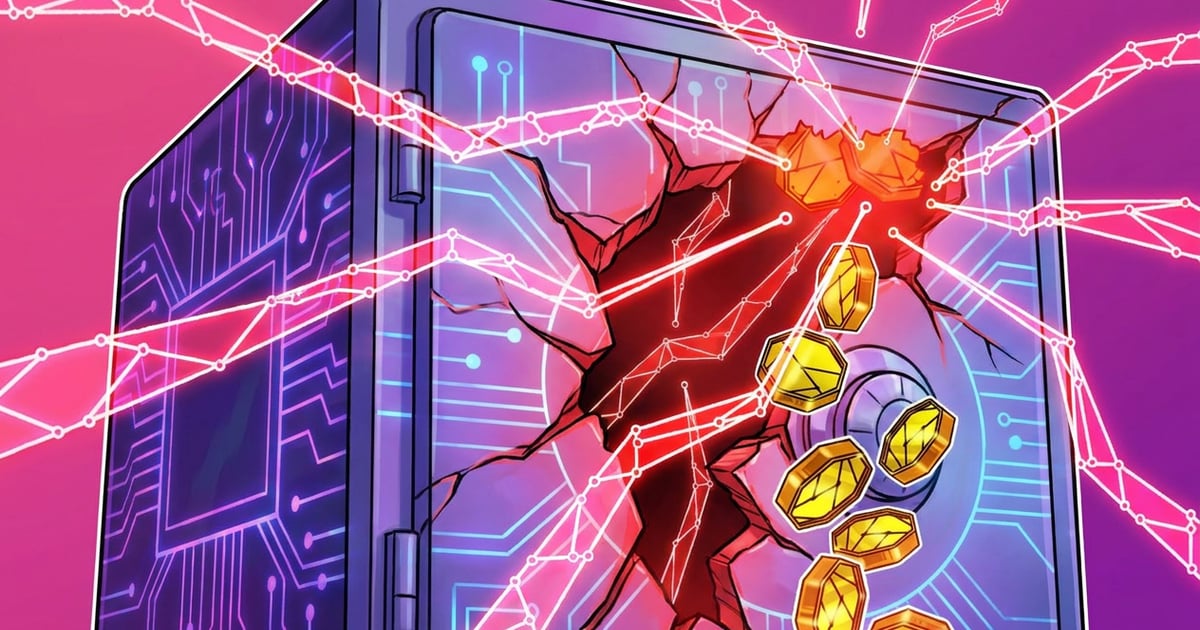
? Quick Take: Bad actors drained $2.5 billion from Binance using a shockingly low $15 transaction cost. This massive breach sends immediate shockwaves through retail crypto portfolios and centralized exchange trust.
For the crypto community, security is measured not in billions of dollars of valuation, but in the fragility of a single line of smart contract code. Binance, the world's largest digital asset exchange, just absorbed a historic blow after hackers executed a $2.5 billion heist using a meager $15 gas fee. For retail investors and active traders tracking their digital asset allocations on Indian and global exchanges, this disaster forces an urgent reassessment of where and how digital wealth is stored.
The sheer asymmetry of the attack has left blockchain forensics teams scrambling for answers. Spending just $15 to manipulate systemic parameters and siphon off an eye-watering $2.5 billion highlights a terrifying return on investment for threat actors. Traditional financial institutions rely on multi-layered friction to halt anomalous outflows, but decentralized logic operates at machine speed.
When code executes without human intervention, an overlooked vulnerability ceases to be a software bug and instantly becomes an existential balance sheet crisis. The exploit bypassed routine threshold checks, proving that sheer platform liquidity offers zero immunity against surgical engineering flaws.
Custodial platforms built their entire business model on the premise of institutional-grade security. Users surrender the keys to their digital vaults in exchange for liquidity, high-speed trading engines, and convenience. Incidents of this magnitude shred consumer confidence overnight.
Market participants are left questioning how foundational validation protocols missed an entry point of this scale. Regulatory bodies globally are certain to view this breach as ammunition for stricter oversight, tightening the compliance loop around major trading desks and digital asset custodians.
Source Attribution: Originally reported by gnews-world (https://news.google.com/rss/articles/CBMiwAFBVV95cUxNWXBEWlNYaGNtb1NpeXpUMEpSSGZmVWhXa1dBbXNVQnZfdTdxMVNJZ0NlVExqWE5rVGYtcnNZWHdXSE5Tc1B6cGlhS1JjYVk2RG4yOHFCY0FjeVJPdnExREx6NENaX0EtTDZGUDZrdU5fcUxYb25qa2pvU2lGQjJWR2duQkN5YzFGVVJfQnlGTFJEaVVPLTZGRE1hd1NzQ0E3N2Q2VXhMdEFMbmRPdExWRUJ1MTRfM1VPX0IzMUJObnPSAcYBQVVfeXFMUFJoTVRHNzJubDNjQkh0NmxMak9GUUJiOUFKdXhuTEx0ZkxJNzY1X0xyRDRmdk8tYVU5Y2c5ZkZmdjlPMnk1TXFJdlQySEg3VU9GRWZ1UTBkR3VaYWlCOXlVMXc2SEltT2JRWE9oRHRwNEQ3OFNfblVibExBOFlDQmdSczFzVGx5X1lVWUNkUHFWRm9Ddm0wZFF4QUx6MmFEYnNhU19ZMlNjcG1CbzVUOXpSay1FLWdpb3FXR3E1MnV0LThqbkhB?oc=5).
Disclaimer: The financial, market, and corporate developments published above are reported for informational and educational purposes only. GrowMudra does not provide investment advice or stock recommendations. Readers are strongly advised to consult a SEBI-registered financial advisor before making investment decisions.




















0 Comment