
26 Feb , 2022 By : monika singh
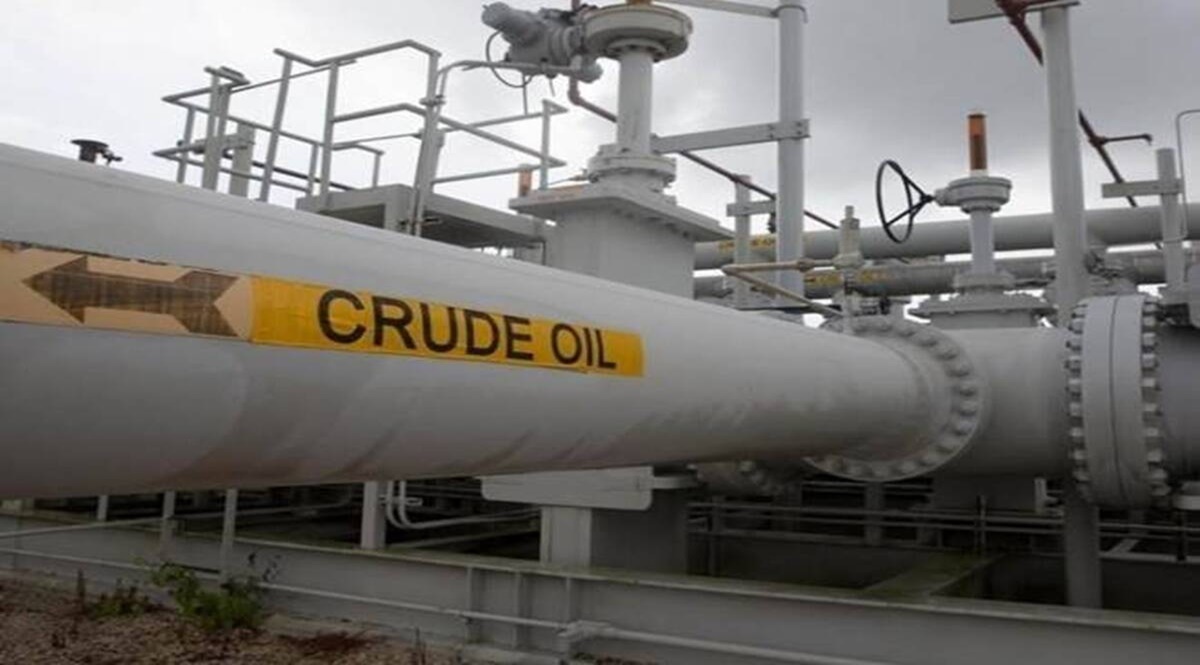
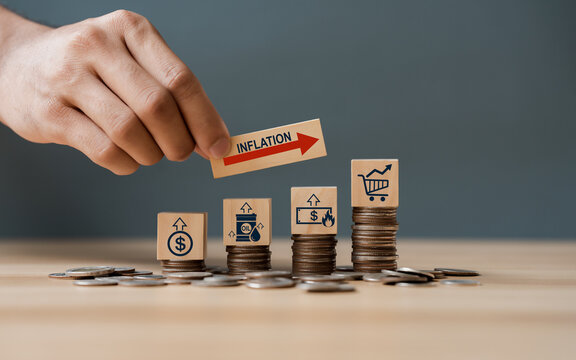
The rise in oil prices in the wake of the Russia-Ukraine conflict can potentially push up retail inflation beyond the level estimated by the monetary policy committee (MPC) earlier this month if the crisis lingers on, economists reckoned.
Some analysts have projected FY23 retail inflation to range between 4.7% and 5.2%, higher than the monetary policy committee’s (MPC’s) estimate of 4.5%. If the crisis continues for a month or so, there are upside risks to these projections as well. However, any tightening of the interest rate at this stage or early next fiscal to curb price pressure may be counter-productive, some of them said. Nevertheless, if oil prices continue to soar causing inflationary pressure to spike, the central bank may choose to respond.
Pronab Sen, former chief statistician, told FE that while elevated oil prices inflate the cost of goods and services, at the same time “it has a deflationary tendency because a bigger chunk of ordinary household budget has to be shifted towards fuel consumption from other less essential items”. “This can actually be self-limiting unless there is a generalised inflationary momentum that gets set off essentially through higher wages. A contractionary monetary policy, in such a case, may make it worse. Such a policy is appropriate when inflation is essentially demand-driven, but when it’s cost-push, you have to be very careful in tightening the monetary policy,” Sen said.
Sudipto Mundle, emeritus professor at the National Institute of Public Finance and Policy, said the crisis will have a “disruptive impact” on the markets. Oil prices are going to exacerbate price pressure. While RBI decided to be accommodative earlier this month, but if oil prices keep rising, it may “decide to do some adjustments (to key rates)”, he added.
According to Sonal Varma and Aurodeep Nandi of Nomura, a 10% rise in crude oil prices typically leads to a 0.3-0.4 percentage point (pp) rise in headline inflation, shaves off about 0.20pp from GDP growth and widens the current account deficit by 0.3% of GDP. This could make India among the biggest losers in Asia in this crisis, they said.
“Even in the absence of the current geopolitical tensions, we believe this (MPC’s projection for FY23) grossly underestimates the upside risks to inflation over coming months. We believe higher crude oil and food prices are likely to further frustrate the RBI’s inflation outlook and necessitate a hawkish pivot in the middle of the year, in acknowledgement of these upside risks,” the analysts at Nomura said. “We maintain our outlook for 100bp of policy repo rate hikes in 2022, starting in June,” they added.
Official data show price pressure in fuel and power has exceeded the headline inflation by a wide margin in recent months, even before the current conflict broke out
Russia’s invasion on Ukraine on Thursday caused prices to spike above $100 a barrel for the first time since 2014, with Brent hitting over $105. On Friday, the April Brentfutures contract shed 79 cents, or 0.8%, at $98.29 a barrel in intraday trade. Still, the market remains jittery amid uncertainties.
Icra chief economist Aditi Nayar said retail inflation is likely to be very sticky in February, remaining around the upper threshold (6%) of the MPC. The rabi harvest projections and reservoir levels suggest a relatively benign outlook for food inflation. “However, the impact of the escalation in the Russia Ukraine conflict on global commodity prices remains unclear, especially in the context of the anticipated start to tightening by the Federal Reserve,” Nayar said. “Similarly, whether crude oil sustains above $100/barrel and when/how soon/by how much excise duty on fuels is cut, remain to be seen. We see an upside to our FY23 CPI inflation forecast of 5%,” she said.
DK Pant, chief economist at India Ratings, said if the conflict stretches on, it will cause global commodity prices, especially of petroleum products, to rise. In such a case, inflation will overshoot the MPC projection. Before the crisis, Pant had estimated retail inflation to average 4.9% in FY23, against 5.4% this fiscal.


























0 Comment