
26 Mar , 2022 By : monika singh
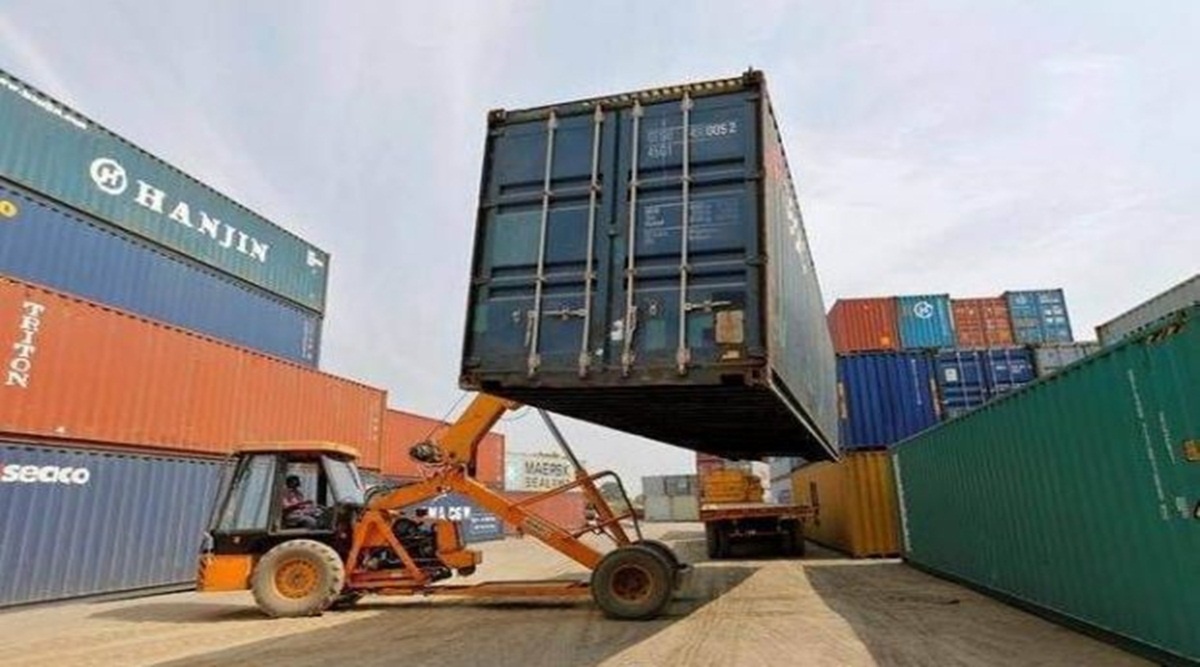
India and the UK have moved a step closer towards an interim deal that aims to cover about 65% of goods and about a third of bilateral services trade, with both the sides having concluded the second round of negotiations in London this month.
India has pitched for duty-free access in sectors like textiles & garments, leather, footwears, marine products, iron & steel, gem & jewellery and processed food products, sources told FE. For its part, the UK wants greater access in alcoholic drinks like scotch, information and communications technology (ICT) products, certain other high-end consumer and capital goods, and digital services.
The interim deal is proposed to be followed by a broader free trade agreement (FTA). The third round of negotiations is scheduled to be hosted by India in April. India last month sealed an FTA with the UAE and it’s in talks for an early conclusion of an early-harvest deal with Australia.
Indian officials participated in technical negotiations, which were conducted in a hybrid fashion, with some talks in a dedicated UK negotiations facility, and the rest through virtual mode.
Draft treaty text was shared and discussed across most chapters that will make up the agreement. Technical experts from both sides came together for discussions in 64 separate sessions, covering 26 policy areas, the commerce ministry said.
“The second round of talks with the UK was conducted on a positive note to build on the progress made in the first round. Discussions are going on, and the focus has now shifted to granular details in select sectors,” one of the sources said.
Both the countries launched formal negotiations in January for a “fair and balanced” FTA, which could cover more than 90% of total tariff lines. They aimed to double bilateral trade of both goods and services to about $100 billion by 2030. The India-UK trade is currently dominated by services, which make up for about 70% of the overall annual trade.
Both New Delhi and London are also negotiating on mutual recognition agreements in the pharma sector, which would provide substantial market access for exporters from both the countries. Commerce minister Piyush Goyal has been pushing for greater access to the UK market in key services sectors like IT/ITES, nursing, education, healthcare, including AYUSH and audio-visual services. India would also be seeking special arrangements for movement of its people.
Before the pandemic, India shipped out goods worth $8.7 billion to the UK in FY20 and its imports from that nation stood at $6.7 billion. Between April and January this fiscal, India’s exports to the UK rose 37% from a year before to $8.5 billion, while its imports surged 55% to $5.9 billion. India mainly exports textiles & garments, gems and jewellery and certain capital and consumer goods to Britain and imports capital and consumer goods in large volumes as well.
Balanced FTAs will also enable the country to achieve its ambitious merchandise export target of $1 trillion by FY28, against $291 billion in the pandemic year of FY21. In the current fiscal, merchandise exports have already surpassed the record target of $400 billion and are expected to reach $410 billion on the back of sustained order flow from key economies like the US. The government also expects services exports to hit a fresh peak of $250 billion in FY22.

























0 Comment