
30 Oct , 2026 By : Shambhavi Mishra

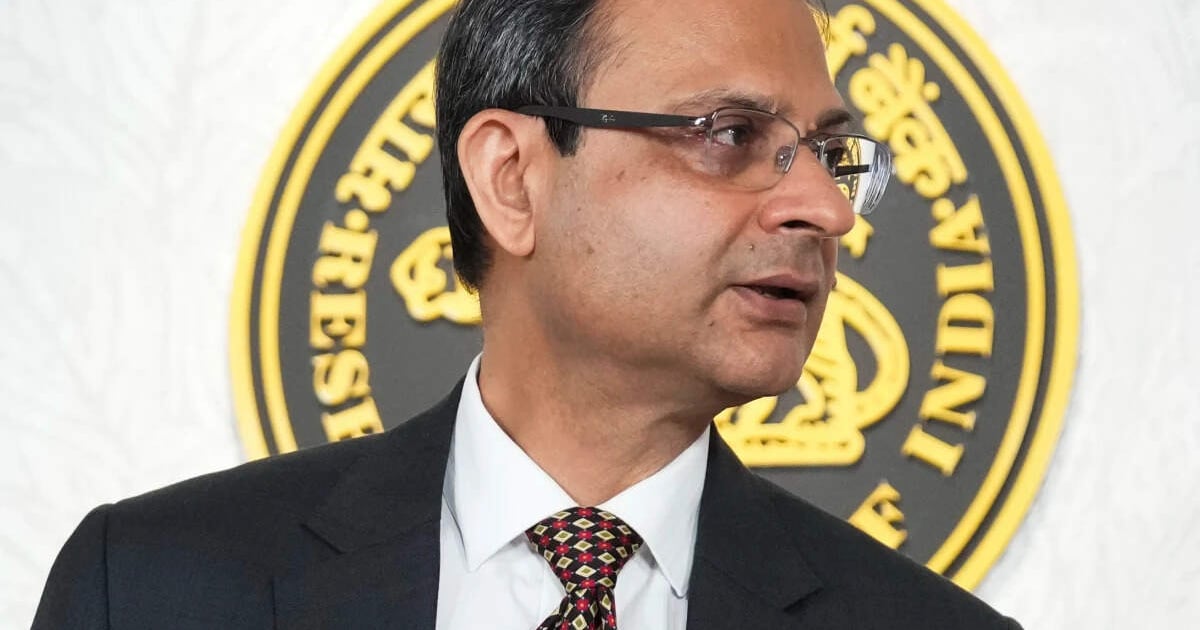
In a development that has sent ripples of excitement through the Indian capital markets, Reserve Bank of India (RBI) Governor Sanjay Malhotra has delivered critical clarity regarding the regulatory status of large non-banking financial companies (NBFCs). In his first public comments addressing the matter, Governor Malhotra firmly asserted that large NBFCs and core investment companies possessing direct or indirect access to public funds must remain registered with the central bank. This definitive stance decisively dispels long-standing market doubts stemming from the crucial September 11 order, effectively paving the way for Tata Sons—classified as an upper-layer NBFC—to pursue its highly anticipated public listing in the near future.
The saga surrounding Tata Sons' potential public market debut has kept retail investors, institutional funds, and market analysts on edge for several years. Under the Reserve Bank of India's scale-based regulatory framework introduced for NBFCs, Tata Sons was categorized as an 'Upper Layer' NBFC. This specific classification brings with it a stringent set of compliance mandates, enhanced capital requirements, and a strict timeline within which the entity must list its shares on major stock exchanges to comply with RBI regulations governing upper-layer non-banking financial institutions.
However, the journey towards compliance witnessed significant friction when Tata Sons previously attempted to explore avenues to bypass or surrender its core registration licence to avoid the mandatory public listing timeline. Market participants watched closely as speculation mounted over whether regulatory exemptions or restructuring maneuvers could alter the conglomerate's trajectory. The September 11 regulatory order further intensified debates regarding whether the central bank would grant leeway to behemoths of Tata's stature, leading to widespread ambiguity across the financial sector until the latest authoritative intervention by the RBI Governor.
Governor Sanjay Malhotra’s recent remarks serve as an unambiguous policy reiteration, directly addressing the core mechanics of upper-layer NBFC oversight. The central bank's primary mandate requires any systemically important institution with direct or indirect access to public funds to maintain strict regulatory alignment. Because Tata Sons holds substantial public fund exposure through its extensive financial network and debt issuances, the RBI categorically rejected the conglomerate's previous attempts to surrender its NBFC licence.
This regulatory rigidity effectively closes any loopholes that could have allowed Tata Sons to defer its public market debut indefinitely. As an upper-layer NBFC, the regulatory clock is ticking loudly for the holding company of the Tata Group, forcing management and the board to pivot their strategic focus entirely toward executing a compliant initial public offering. While exact valuation figures and issue sizes are still speculative, financial analysts estimate that a Tata Sons IPO would rank among the largest and most complex capital market events in Indian corporate history, given the vast market capitalization of its underlying operating companies.
The definitive clarification from the RBI Governor has unleashed profound sentiment shifts across the Indian stock market. For retail investors and wealth managers, the prospect of owning a direct slice of the parent holding company that controls crown jewels like Tata Consultancy Services, Tata Motors, and Tata Steel represents a generational investment opportunity. The market capitalization of the broader Tata ecosystem could experience a structural re-rating as institutional portfolios rebalance to prepare for the massive liquidity event.
Conversely, other large conglomerate-owned upper-layer NBFCs that were closely monitoring Tata's exemption maneuvers must now abandon hopes of bypassing regulatory listing mandates. The RBI's uncompromising stance reinforces India's stringent corporate governance architecture, ensuring that systemic risk in shadow banking and core investment segments is mitigated through absolute transparency and public accountability. Competitors and financial sector peers are taking careful note: regulatory compliance under the scale-based framework is non-negotiable, regardless of corporate legacy or economic scale.
As the market digests Governor Malhotra's decisive commentary, attention now shifts firmly to the boardroom of Tata Sons. Stakeholders and financial journalists will be closely monitoring upcoming board meetings, corporate restructuring announcements, and official communications regarding merchant banker appointments. Managing the massive capital inflow and structuring an IPO of this unprecedented magnitude will require meticulous regulatory filings with the Securities and Exchange Board of India (SEBI) alongside continued coordination with the RBI.
Investors should keep a close watch on timeline milestones over the coming quarters. While legal and financial advisors work through the complex valuation of unlisted assets held by Tata Sons, secondary market activity in Tata group stocks may see heightened volatility driven by IPO anticipation. Ultimately, this regulatory clarity transforms an era of speculation into a definitive countdown toward one of the most momentous listings in global financial history.
Source Attribution: Originally reported by livemint-companies (https://www.livemint.com/companies/news/tata-sons-listing-latest-news-how-rbi-governor-sanjay-malhotras-first-public-comment-dispels-doubts-on-sept-11-order-11792915550831.html).
Disclaimer: The financial, market, and corporate developments published above are reported for informational and educational purposes only. GrowMudra does not provide investment advice or stock recommendations. Readers are strongly advised to consult a SEBI-registered financial advisor before making investment decisions.






























0 Comment