
09 Nov , 2026 By : Shambhavi Mishra
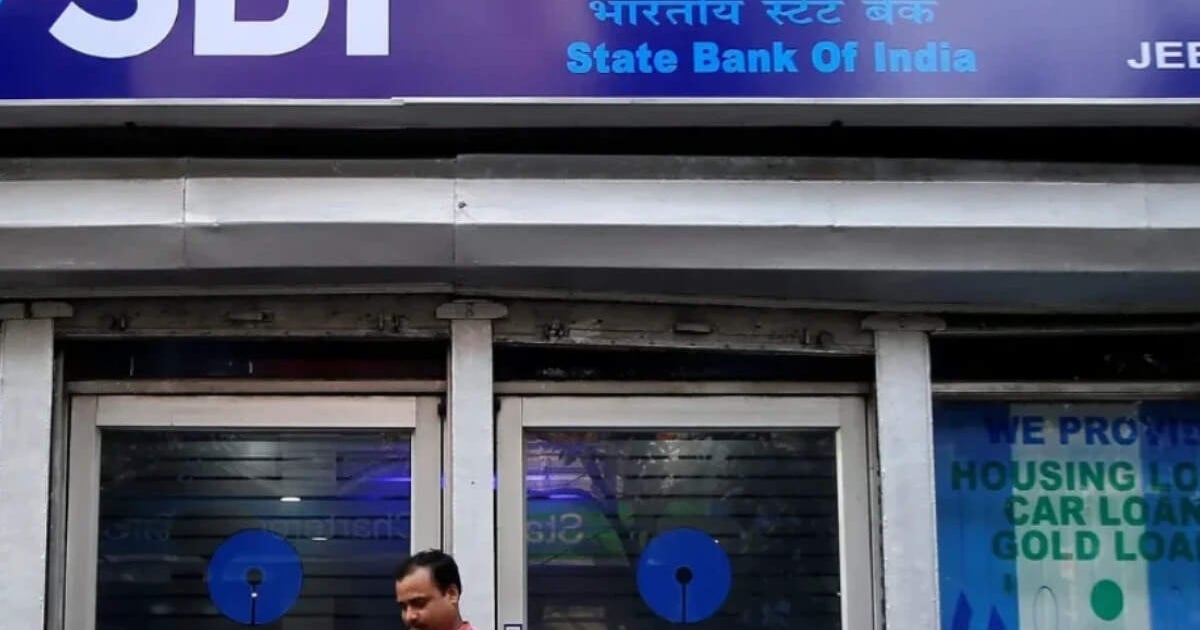
? Quick Take: The International Finance Corporation just injected a $150 million social loan into State Bank of India to fund rural women entrepreneurs. For retail and institutional investors, this deal marks a structural shift in how multilateral capital enters India's massive public banking ecosystem.
Wall Street and Dalal Street rarely react to a single $150 million credit line, but the mechanics behind the International Finance Corporation’s latest deployment change the playbook entirely. By backing the State Bank of India for the first time in history, the World Bank’s private sector arm has bypassed decades of risk aversion toward India's public sector lenders. The $150 million social loan is engineered to reach roughly 864,000 rural women, tying cheap international liquidity directly to grassroots agricultural financing.
For years, multilateral institutions like the IFC preferred private sector heavyweights like HDFC Bank or ICICI Bank for direct lending lines. State-owned lenders carried legacy asset quality burdens and bureaucratic friction that kept global development capital at bay. SBI's balance sheet cleanup over the past three fiscal years changed that narrative completely.
By securing this facility, SBI has proven that India's public sector banking titan can meet stringent global environmental, social, and governance thresholds. It signals to foreign portfolio investors that state-backed lenders are increasingly attractive conduits for targeted international capital.
Beyond the headline credit line, the transaction hides a quieter financial engineering milestone. The IFC executed its very first domestic cross-currency swap with an Indian bank, designating SBI as its initial local swap counterparty in South Asia.
This mechanics matters deeply for debt markets. It allows foreign institutional lenders to hedge local currency exposure more efficiently without relying solely on offshore non-deliverable forward markets, lowering transaction costs for future cross-border syndications.
Money is only as good as its velocity on the ground. The credit line is explicitly earmarked for agricultural financing directed at empowering nearly 864,000 rural women across India's hinterlands.
This social loan structure appeals heavily to institutional ESG funds looking for measurable, audited impact metrics rather than vague corporate social responsibility promises. SBI gains access to low-cost wholesale funding while deepening its reach into priority sector lending verticals.
Source Attribution: Originally reported by et-banking-finance (https://economictimes.indiatimes.com/industry/banking/finance/banking/ifc-extends-150-million-credit-line-to-sbi-in-first-investment-in-an-indian-state-owned-bank/articleshow/135617979.cms).
Disclaimer: The financial, market, and corporate developments published above are reported for informational and educational purposes only. GrowMudra does not provide investment advice or stock recommendations. Readers are strongly advised to consult a SEBI-registered financial advisor before making investment decisions.




































0 Comment