
06 Apr , 2026 By : Debdeep Gupta
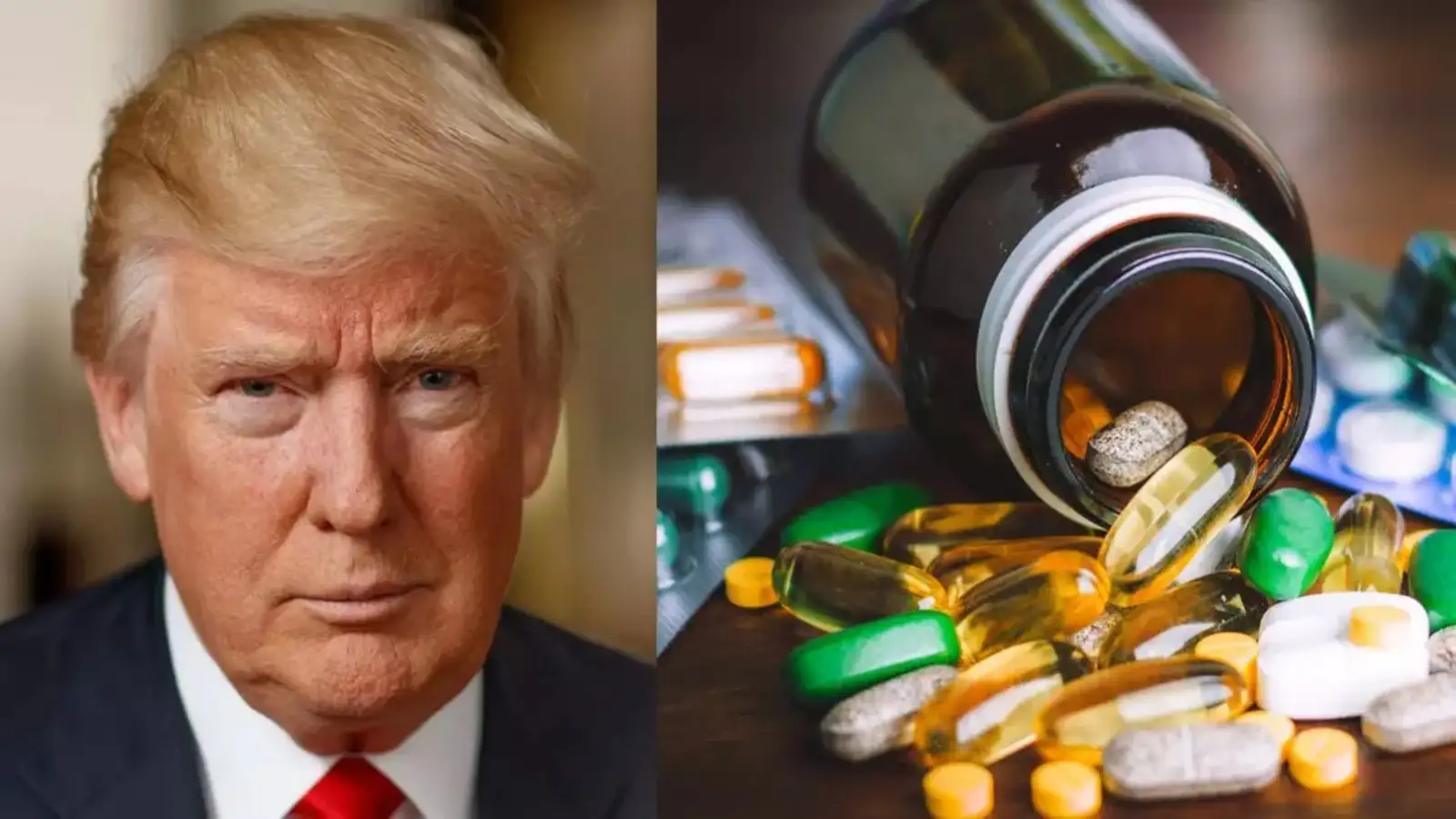
Countries that have negotiated pharma trade terms with the US, including the European Union, Japan, South Korea, Switzerland and Liechtenstein, will face capped tariffs of 15 percent. Companies agreeing to US manufacturing and pricing conditions could see levies drop to zero through 2029.
Generics safe, for now
India's pharma exports to the US reached $10.5 billion (generics) in FY25. India and US announced a trade deal on February 2, which immediately, reduced reciprocal tariffs on Indian goods from 50 percent to 18 percent.
“We believe generic drugs will remain exempt from tariffs in the US,” Jefferies analysts wrote in an April 2 note. Imposing duties on generics could raise drug prices and worsen shortages in the American healthcare system. India supplies nearly 40 percent of US generic medicines by volume, making this exemption critical for the sector’s near?term stability.
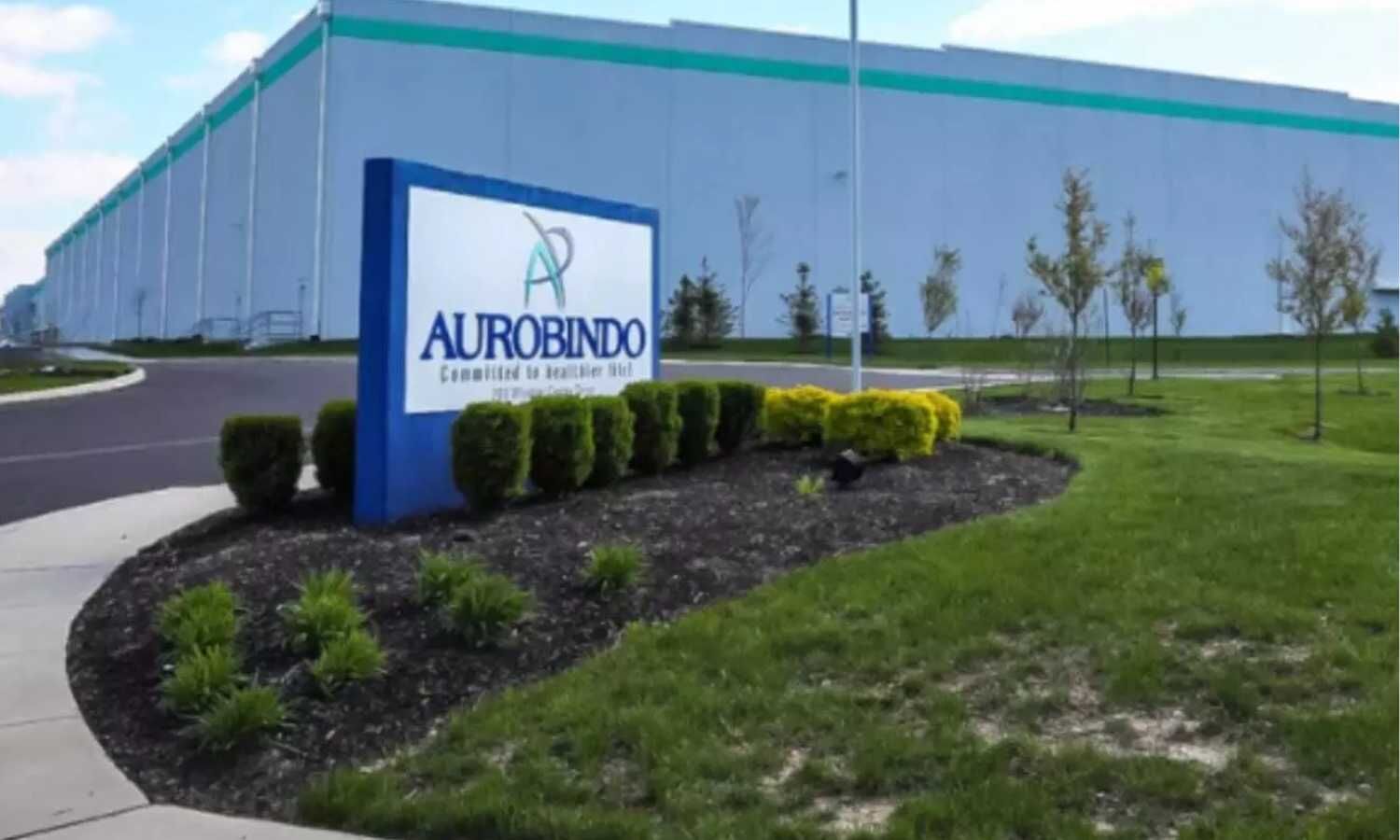
As a result, most large Indian formulators — including Cipla, Dr Reddy’s Laboratories, Lupin and Aurobindo Pharma — are unlikely to see immediate earnings disruption, given their heavy reliance on commodity generics rather than patented products.
At risk
The real exposure lies in innovative and specialty drugs, where tariffs now directly apply.
“Sun Pharma remains the most exposed Indian company to tariff risks on innovative products,” Jefferies said, estimating that around 20 percent of Sun Pharmaceutical Industries’ overall revenue comes from such medicines.
While Sun sells many of these products in the US, they are largely manufactured in South Korea and the EU, which benefit from negotiated tariff caps.
Even so, Jefferies estimates that Sun’s innovative portfolio would still face tariffs capped at 15 percent, a level that could materially affect margins unless mitigated through price increases or supply?chain changes.
“We therefore believe the maximum tariff impact on Sun Pharma’s innovative products would be capped at 15 percent,” the brokerage wrote.
The tariff also casts a shadow on Indian contract development and manufacturing organisations (CDMOs), which have emerged as global suppliers of high?value drug substances and patented intermediates.
While not explicitly targeted, the proclamation stresses the US goal of reshoring pharmaceutical manufacturing — a signal that upstream suppliers could face growing pressure.
Companies such as Divi’s Laboratories, Laurus Labs and Piramal Pharma’s CDMO arm may need to accelerate investments in US?based capacities or deepen onshore partnerships to remain competitive over the medium term.
The White House said the tariffs follow a commerce department investigation that found US reliance on imported patented drugs posed a national?security risk, adding the threat of levies has already spurred about $400 billion in new pharmaceutical investment commitments in the US.
For Indian pharma, the announcement reintroduces trade policy as a structural risk after years of relative stability. While generics appear protected in the near term, exporters of innovative medicines and CDMO services face a recalibration: where drugs are made will increasingly matter as much as what they treat.
As Jefferies said, the framework “keeps generics safe for now, but exposes innovative and patented supply chains to policy risk”.






















0 Comment