
15 Nov , 2026 By : Shambhavi Mishra
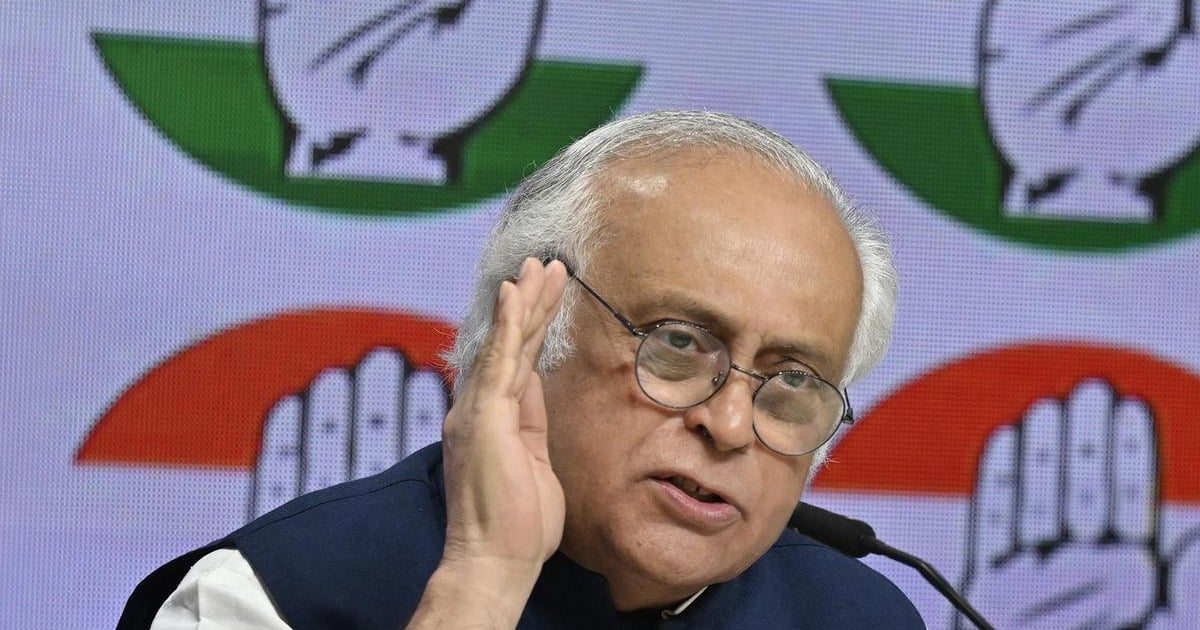
? Quick Take: The Congress party has escalated attacks against the Centre over parliamentary prorogation records and proposed delimitation exercises. For investors, widening political friction signals heightened legislative unpredictability heading into key fiscal debates.
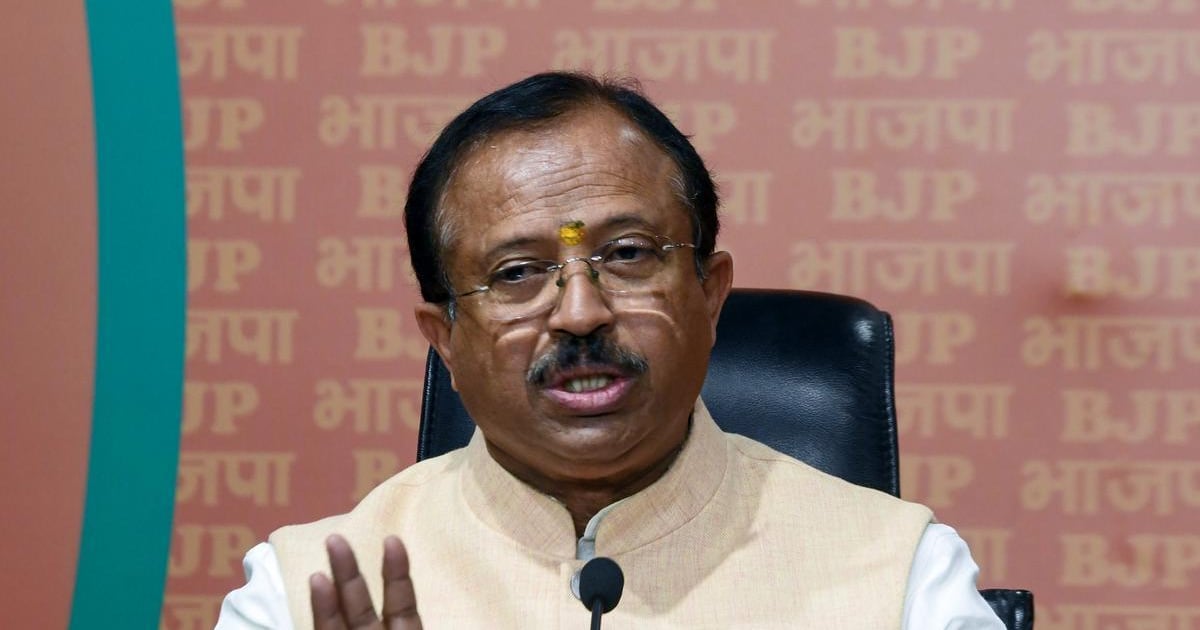
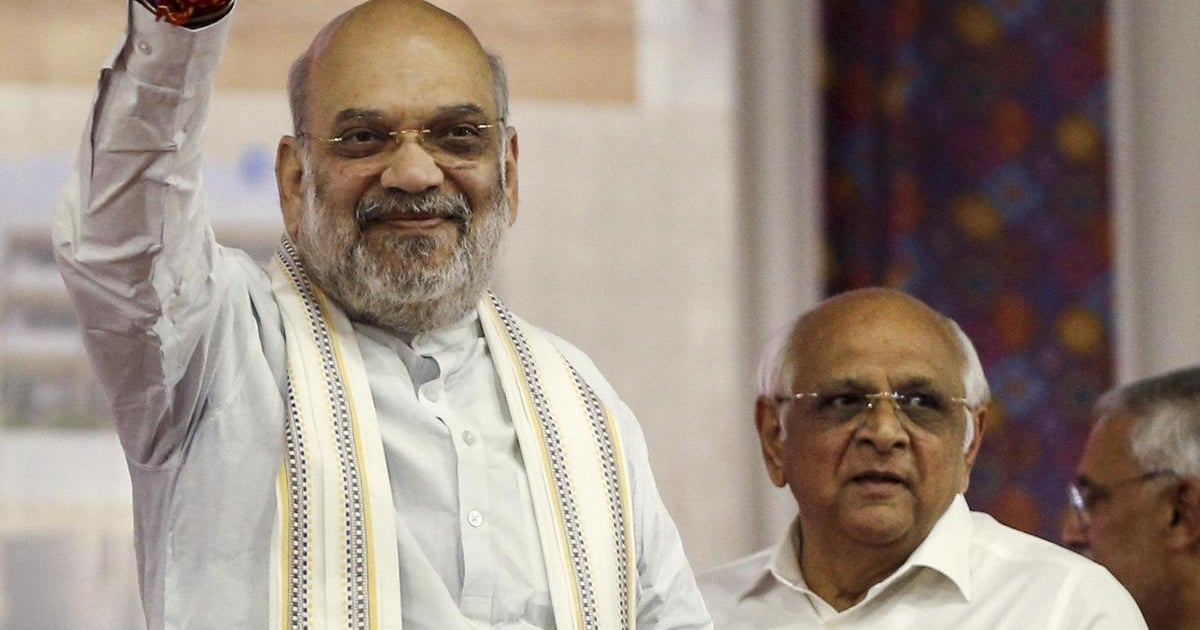
Markets detest uncertainty, and policy friction sits right at the top of the risk matrix. As the Opposition levels sharp accusations against Home Minister Amit Shah regarding parliamentary control and a contested two-thirds majority, the real economic casualty is legislative clarity. When structural reforms like delimitation get caught in high-stakes political crossfire, capital allocators take notice.
At the center of this brewing storm lies a fundamental disagreement over parliamentary procedure and federal representation. Congress president Mallikarjun Kharge has knocked on the Prime Minister's door four times in six months demanding an all-party dialogue on delimitation. These appeals have yielded little formal traction, leaving state-level stakeholders deeply anxious about shifting political power dynamics.
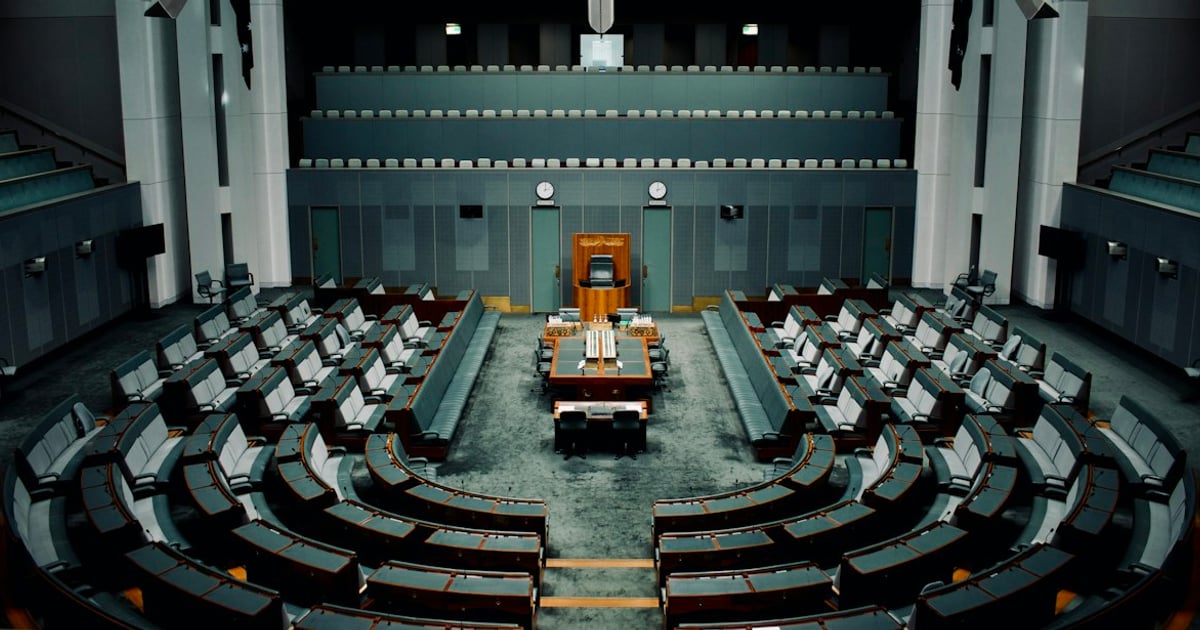
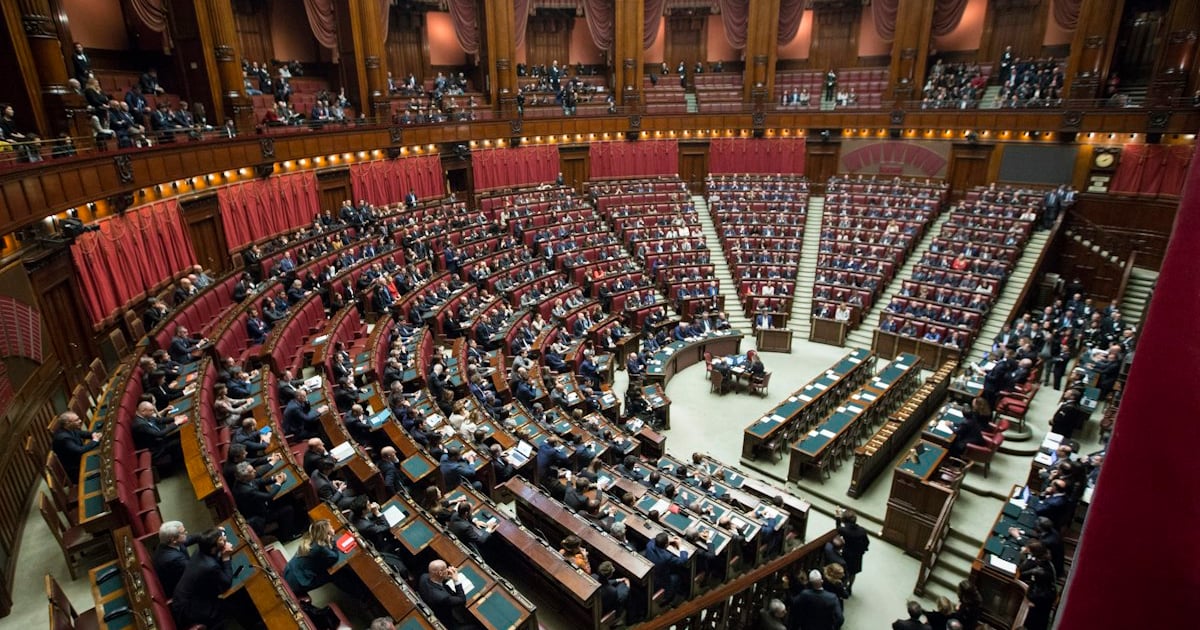
Parliaments exist to legislate, but frequent prorogations shorten the runway for meaningful debate. The Opposition claims this tactical timing buys the executive branch room to engineer numbers. Regardless of political optics, interrupted legislative calendars directly delay critical economic bills and regulatory frameworks that corporate boards monitor closely.
India's growth story relies heavily on predictable policy continuity. Foreign Portfolio Investors (FPIs) and domestic institutional giants price political stability into their valuation models. When parliamentary stalemates dominate headlines, risk premiums tend to edge higher, particularly in sectors sensitive to government spending and regulatory oversight.
Fiscal federalism and population-based delimitation carry massive long-term implications for tax devolution and resource allocation across states. If southern and eastern states feel structurally sidelined by shifting seat shares, cooperative federalism frays. Markets function best when economic policy remains insulated from hyper-partisan battles over legislative architecture.
Source Attribution: Originally reported by hindu-national (https://www.thehindu.com/news/national/prorogation-record-set-to-give-time-to-shah-to-manipulate-super-tainted-23rd-majority-congress/article71682029.ece).
Disclaimer: The financial, market, and corporate developments published above are reported for informational and educational purposes only. GrowMudra does not provide investment advice or stock recommendations. Readers are strongly advised to consult a SEBI-registered financial advisor before making investment decisions.

























0 Comment