
22 Nov , 2026 By : Shambhavi Mishra

? Quick Take: Karnataka has pumped a staggering Rs 1.85 lakh crore into its flagship guarantee schemes, igniting urgent conversations about state fiscal health. For taxpayers and markets, this massive welfare allocation signals tight capital expenditure headroom for crucial infrastructure projects.
State finances are walking a tightrope. Recent disclosures by H.M. Revanna put the total expenditure on Karnataka's high-profile guarantee schemes at an eye-watering Rs 1.85 lakh crore. As populist welfare commitments expand their footprint across state ledgers, economists are closely watching how governments balance social safety nets with sustainable development financing.
Numbers of this magnitude demand a closer look at structural budget allocations. Pumping Rs 1.85 lakh crore into direct benefit transfers and consumer-facing guarantees alters the fiscal DNA of any state administration.
Revenue expenditure inevitably swells while development capital fights for a shrinking slice of the pie. Bond markets and rating agencies watch these shifts with eagle eyes, measuring debt-to-GDP trajectories against statutory limits.
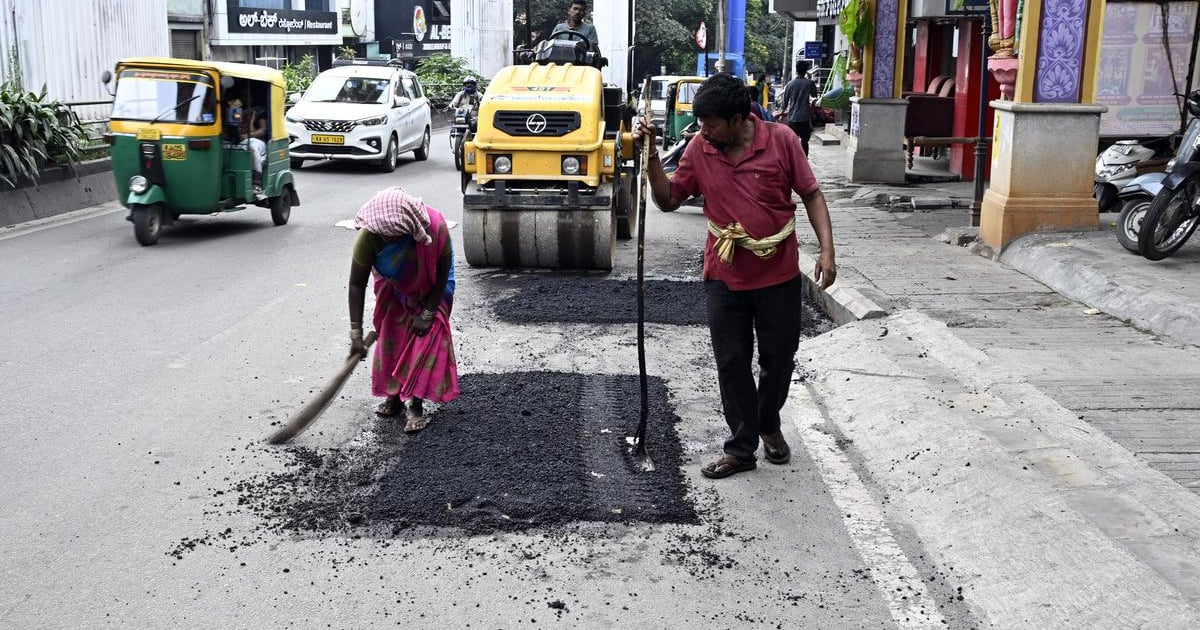
Every rupee channeled into recurring welfare promises is a rupee diverted away from tarmac, transit networks, and industrial corridors. Long-term economic compounding relies heavily on capital formation rather than consumption subsidies.
When state exchequers run high recurring bills, discretionary spending on bridges, power grids, and urban renewal faces severe pruning. Local contractors and engineering firms often bear the brunt of these delayed capital outlays.
Source Attribution: Originally reported by hindu-national (https://www.thehindu.com/news/national/karnataka/state-spends-rs-185-lakh-crore-on-guarantee-schemes-hm-revanna/article71690218.ece).
Disclaimer: The financial, market, and corporate developments published above are reported for informational and educational purposes only. GrowMudra does not provide investment advice or stock recommendations. Readers are strongly advised to consult a SEBI-registered financial advisor before making investment decisions.




























0 Comment