
30 Oct , 2026 By : Shambhavi Mishra

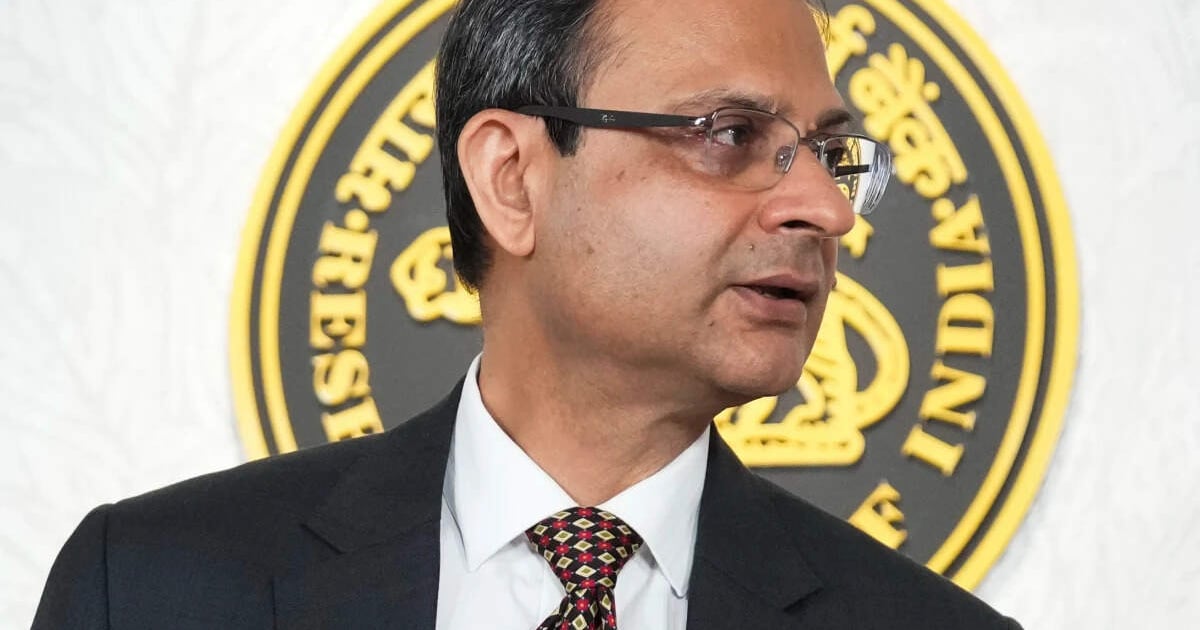
In an aggressive push to insulate India's rapidly digitizing financial ecosystem from escalating cyber threats, the Reserve Bank of India (RBI) has unveiled a state-of-the-art technological hub. Featuring absolute Tier-4 data center security standards and a strict zero third-party cloud dependency policy, this landmark initiative sets a new global benchmark for national banking infrastructure resilience, institutional data privacy, and robust systemic risk management.
Over the past decade, India's banking sector has undergone a massive digital revolution. Driven by UPI, real-time gross settlement systems, and widespread mobile banking adoption, transaction volumes have scaled exponentially. However, this hyper-digitization has simultaneously expanded the threat matrix for financial institutions, making them prime targets for sophisticated state-sponsored cyberattacks, ransomware syndicates, and data exfiltration attempts. Historically, banks have relied heavily on commercial public clouds and multi-tenant third-party infrastructure vendors to manage soaring data workloads.
While outsourcing provided cost efficiencies and scalability, it also introduced systemic vulnerabilities, creating single points of failure where a breach in a third-party vendor could potentially paralyze multiple downstream financial entities. Recognizing these structural vulnerabilities, the RBI has proactively stepped in to recalibrate the baseline of national security. By designing an insulated, sovereign technological environment, the central bank aims to eliminate external dependencies and regain absolute sovereign control over critical banking infrastructure.
The newly announced banking hub operates under elite Tier-4 data center specifications—the gold standard of infrastructure reliability boasting a 99.995 percent availability guarantee and fully redundant subsystems including cooling, power, and network links. A cornerstone of this announcement is the absolute enforcement of a zero third-party cloud architecture. By keeping critical workloads completely in-house and isolated from commercial public cloud providers, the RBI ensures that sensitive monetary data, transactional logs, and core financial records never transit through shared commercial servers.
Though the total capital expenditure and budgetary allocations for this massive infrastructure undertaking have been tightly guarded, financial analysts estimate multi-crore investments directed toward hardware redundancy, advanced cryptography, biometric access controls, and quantum-resistant firewalls. This infrastructural leap underscores the central bank's unwavering commitment to safeguarding public trust, ensuring continuous uptime, and preventing systemic liquidity freezes caused by digital outages or malicious cyber intrusions.
The RBI's decisive move sends powerful shockwaves across India's financial technology and banking landscape. Traditional public sector banks and private lenders alike will now face heightened compliance expectations as the regulatory bar shifts toward absolute data sovereignty. Technology vendors and cloud service providers who previously dominated the financial sector's outsourcing market will need to adapt their offerings to align with these stringent localization and isolation mandates.
Conversely, cybersecurity firms, domestic data center operators, and hardware encryption providers stand to benefit immensely as banks scramble to upgrade their legacy systems to meet the central bank's rigorous blueprint. Market sentiment remains overwhelmingly bullish regarding the long-term stability of India's financial markets, as institutional investors recognize that robust cyber defenses significantly mitigate systemic crash risks and bolster foreign portfolio investor (FPI) confidence in Indian equities.
As the RBI gradually rolls out the operational capabilities of this Tier-4 security hub, market participants must monitor upcoming regulatory circulars detailing compliance timelines for commercial banks and non-banking financial companies (NBFCs). Key milestones include the integration phases of major public sector lenders into the hub, potential upgrades to existing disaster recovery frameworks, and guidelines governing inter-bank data exchange under the new zero-cloud regime.
Investors should keep a close eye on technology budgets reported by major banks in upcoming quarterly earnings calls, specifically tracking expenditures allocated toward internal security infrastructure versus external IT outsourcing. As cybersecurity becomes the primary differentiator in retail and corporate banking trust, institutions that align early with the RBI's vision will likely secure a distinct competitive advantage.
Source Attribution: Originally reported by gnews-financial (https://news.google.com/rss/articles/CBMizgFBVV95cUxOcDFIbDBueHhkdlpTWEdKOUhZeHZrVW4wRGJDdFhTTjZHUHVyMlhieDRQYjhNNzFtYmY2VXNUWFdCd3dBUGliV0laWEdyWHk2OVhtdWNyREp0ck0welNHV3lSOHFCbUwtRS0wN0NHT1FIc3dyTi0xenRPbmR0ZlktVVFuTXZCRTBDM1VlWElUb0hlOVdrUk9tRURYbFJWUEVtdGVveTBrWjZMZUVpU0FCMnprQ21tUDYzcHQwZ1JzREROUEZBWklhS3ZyaUcxd9IB1gFBVV95cUxOWmhnTlE2SHdfN0dIY3hHX2lZUFluVmxHSWNmb0U5MEZJemtVS1F3bFlnNy01UjVubHB4LVlVSnZwUXhTOUFZZm5oYTdOU2JqNGJSVkItTk9BWnk4TEN1RExLNF9NNEdqWkI0Mjg1MjQxeUV1aVJjMkhSMS0zZHBwc0t2Q1dRZWtxdDJsb3RvdHFqYXRMcWF2SGpwTzU3cy1ha19OVDFGVFBHVXFuck9CZ24yQUhzeDREYTM4RHBxMURHeFhQODVLUXlfOUo1OUc2ZDVGdU5n?oc=5).
Disclaimer: The financial, market, and corporate developments published above are reported for informational and educational purposes only. GrowMudra does not provide investment advice or stock recommendations. Readers are strongly advised to consult a SEBI-registered financial advisor before making investment decisions.































0 Comment