
22 Nov , 2026 By : Shambhavi Mishra
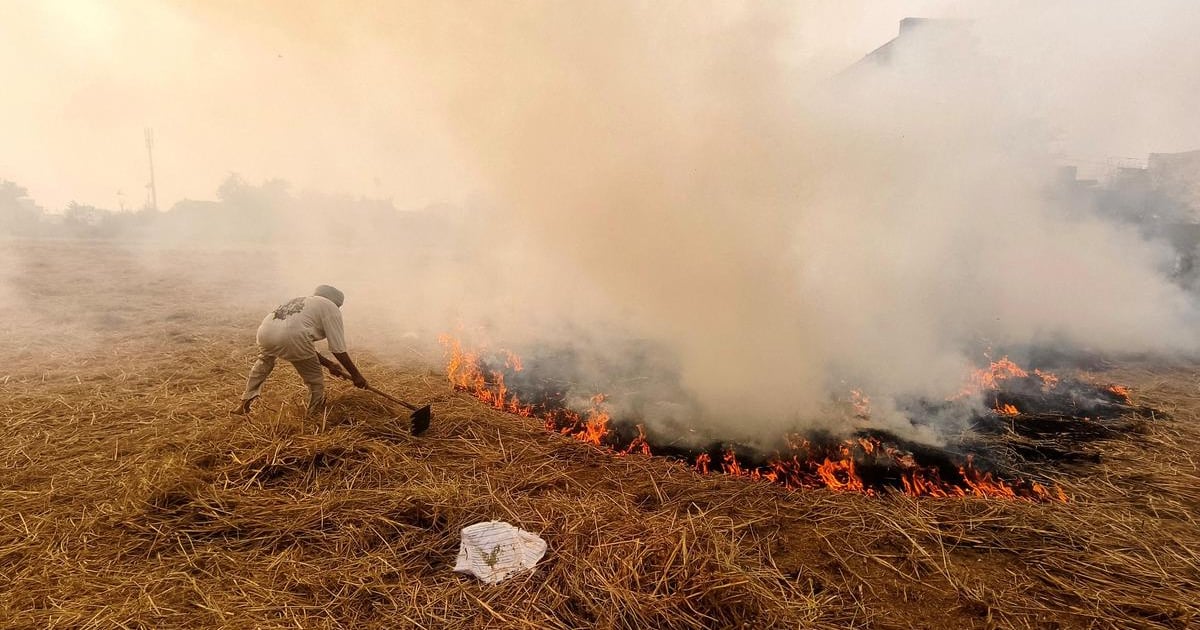
? Quick Take: The Bharatiya Kisan Sangh has urged an immediate halt to criminal cases and financial penalties levied on farmers for stubble burning. This intervention highlights deep-seated tensions between environmental enforcement and rural livelihoods across India's agricultural belt.
The political economy of India's agrarian sector has hit another flashpoint. The Bharatiya Kisan Sangh (BKS), the RSS-affiliated farmers' wing, has stepped forward to demand the complete withdrawal of FIRs and monetary fines imposed on cultivators for clearing crop residue. Citing recent observations from the Supreme Court, the RSS body argues that penalizing cultivators fails to address the root systemic failures of crop residue management.
The BKS seized upon recent judicial observations to bolster its ongoing push for relief for rural communities. Rather than treating cultivators as willful polluters, the organization insists that enforcement agencies must recognize the economic constraints driving seasonal burning. For months, farm unions have argued that expensive machinery and inadequate state support leave cultivators with few viable alternatives during tight harvest turnaround windows.
This friction between air quality mandates in urban centers and survival economics in rural hinterlands remains a persistent policy headache. By throwing its weight behind the demand to quash penalties, the BKS is amplifying pressure on state apparatuses to pivot from punitive policing toward supportive subsidization. The financial burden of these fines disproportionately affects smallholders who operate on razor-thin seasonal margins.
For retail investors and market observers keeping an eye on rural consumption, regulatory friction around agriculture directly impacts sentiment. When agrarian communities face legal harassment and financial drains from environmental penalties, discretionary spending in tractor sales, fertilizers, and consumer goods takes a direct hit. Policy shifts that ease cash flow constraints for cultivators typically translate into healthier rural balance sheets.
Yet, environmental regulators face equal pressure from tribunals and urban populations choking on winter smog. Finding a fiscal balance between air quality enforcement and farmer appeasement is critical for maintaining macroeconomic stability in northern agrarian states. Until subsidized stubble management tech achieves universal saturation, friction between the judiciary, the state, and the fields will persist.
Source Attribution: Originally reported by hindu-national (https://www.thehindu.com/news/national/stop-penalising-farmers-for-stubble-burning-says-rss-body/article71690596.ece).
Disclaimer: The financial, market, and corporate developments published above are reported for informational and educational purposes only. GrowMudra does not provide investment advice or stock recommendations. Readers are strongly advised to consult a SEBI-registered financial advisor before making investment decisions.




























0 Comment