
21 Nov , 2026 By : Shambhavi Mishra
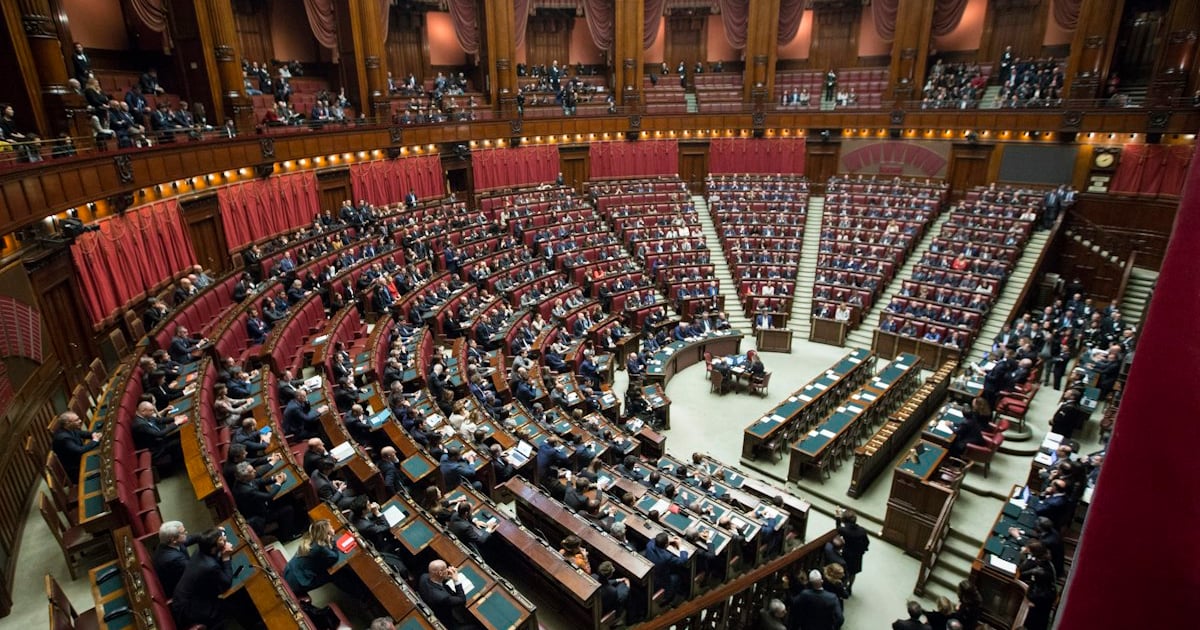
? Quick Take: New Delhi is closely tracking international political waves and trade realignment. For Indian markets, these seismic shifts demand sharper risk management across export-heavy sectors.
Foreign policy isn't just about handshakes and summit communiqués anymore; it drives portfolio allocations, supply chain routes, and currency volatility. As global political tides shift dramatically, South Block is rewriting its playbook. For investors sitting in Mumbai or Bengaluru, understanding this diplomatic recalibration is critical to protecting capital against sudden external shocks.
Diplomatic corridors in New Delhi are processing international power shifts with calculated pragmatism. When major political realignments occur abroad, the immediate fallout hits trade agreements, defense pacts, and FDI inflows. Policymakers are bracing for a volatile external environment where traditional alliances face severe friction.
India's strategic autonomy faces fresh stress tests as global trade corridors transform. Energy security remains the primary anchor for domestic inflation control. Any external maritime or political turbulence directly threatens crude import bills and, consequently, domestic retail fuel pricing.
Manufacturing and IT services form the twin engines of India's growth narrative, yet both remain deeply vulnerable to foreign policy turbulence. Shifting regulatory regimes abroad can delay enterprise spending and hurt order books for top-tier Indian tech exporters. Domestic businesses must build agile supply chains to survive sudden protectionist turns.
Capital markets hate uncertainty, and geopolitical friction invariably triggers foreign institutional investor (FII) outflows. When global risk appetite drops, emerging markets like India witness sudden liquidity compression. Local benchmark indices often react violently to policy headlines flashing across terminal screens.
Source Attribution: Originally reported by gnews-politics (https://news.google.com/rss/articles/CBMilAFBVV95cUxNakpSdEIxRlFLZnc2V2pLVllLc1pqR1ltbUZhTGNLaktFalNYUUhkbjMwMjJVNEtqMzZ3QmdVYW43bDNaZnVSbDFQMnpic1hmQ1ZLTnBUTDJYNEdycFNRUEVfdDdzOU84aDdUQ2F0SnM0VXJMM2pscm5QeDN6RjNmY0pTWVNGTWNZY2dubDVpRDJkaXNR?oc=5).
Disclaimer: The financial, market, and corporate developments published above are reported for informational and educational purposes only. GrowMudra does not provide investment advice or stock recommendations. Readers are strongly advised to consult a SEBI-registered financial advisor before making investment decisions.
























0 Comment