
29 Nov , 2026 By : Shambhavi Mishra
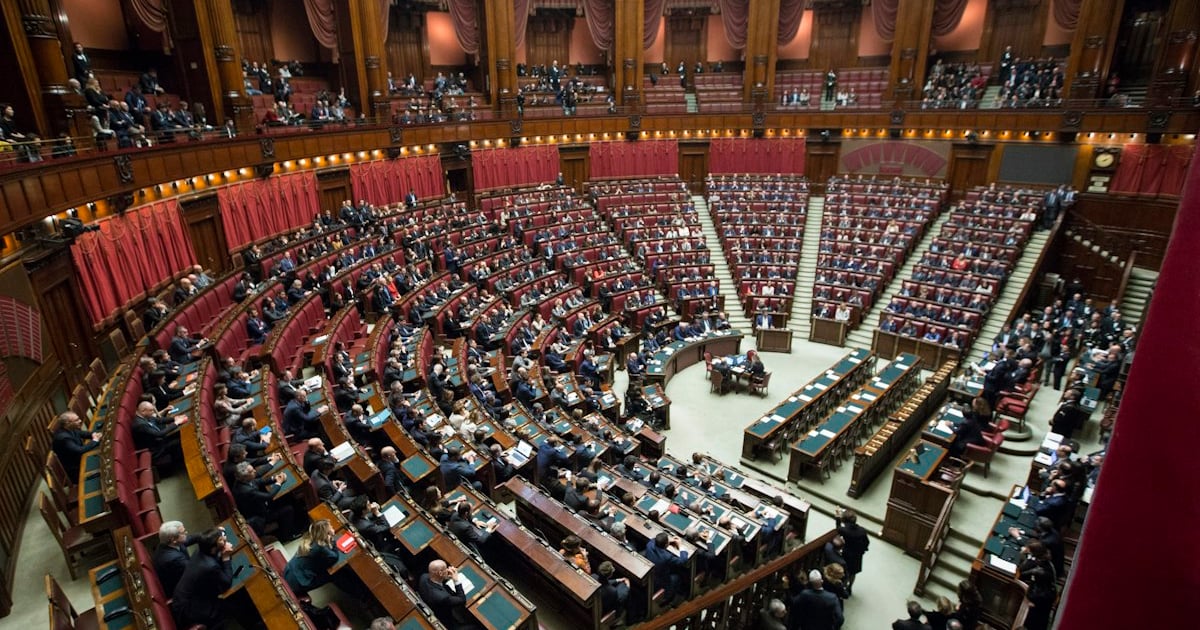
? Quick Take: Talk of normalizing Indo-Pak diplomatic ties often surfaces in policy circles, yet structural friction keeps bilateral economic integration frozen. Investors must look past diplomatic posturing and evaluate hard geopolitical constraints.
Markets hate uncertainty, but they despise empty rhetoric even more. Whenever murmurs about thawing diplomatic ties between New Delhi and Islamabad emerge, strategic analysts and Dalal Street desks immediately start parsing the implications. Yet, the persistent chasm between political optics and ground-level reality tells a far more complicated story for anyone trying to gauge South Asia's economic trajectory.
For years, commentary surrounding cross-border relations has oscillated between optimistic projections of revived trade corridors and cold geopolitical friction. Trade figures remain severely depressed, with direct commerce largely sidelined by decades of strategic distrust and non-tariff barriers. The idea of open borders or integrated supply chains sounds appealing on paper, but domestic political realities in both capitals continually force a retreat to baseline hostilities.
Investors and macroeconomic observers frequently misinterpret rhetorical gestures for actual policy shifts. Foreign policy experts note that structural disputes—ranging from security architecture to disputed territories—cannot be bypassed for the sake of commercial convenience. Until these foundational issues find resolution, any talk of a meaningful economic reset remains purely speculative.
Economic engagement requires predictability, a commodity in chronically short supply along the western border. Even during relative lulls in hostility, formal trade routes remain heavily restricted, forcing businesses to route transactions through third countries at a steep logistical penalty. For Indian manufacturing or export-oriented firms, Pakistan represents a negligible fraction of addressable market potential.
Capital markets have largely priced out geopolitical risk stemming from the western frontier. Investors no longer panic-sell during routine diplomatic standoffs because corporate India's growth engine relies on domestic consumption, Western exports, and diversified supply chains. The marginal impact of a sudden diplomatic breakthrough would barely register on Nifty blue-chip balance sheets.
Source Attribution: Originally reported by gnews-politics (https://news.google.com/rss/articles/CBMilwFBVV95cUxOS0J3a0N4RDJaRi1pQ0hyc2ExMGxQdVcxQ1ZXQUpVU2lYT1BoYzBFalhMMGlmWnFPeUtoWTY5VEgwY2VNTmhhbmM5a2hMLTE5RnhGeVlSZlo2TVlOeW92T053b0E5SnV2OVc5RDZjYkpDZzlDS0FsVU8wNDYtTFZ4NjVpZjJVeVVlQkkyYWZkM241NXowcXBn?oc=5).
Disclaimer: The financial, market, and corporate developments published above are reported for informational and educational purposes only. GrowMudra does not provide investment advice or stock recommendations. Readers are strongly advised to consult a SEBI-registered financial advisor before making investment decisions.














0 Comment