
23 Nov , 2026 By : Shambhavi Mishra

? Quick Take: The upcoming Hyderabad summit aims to architect viable alternatives to increasingly fractured international trade policies. For market participants, these geopolitical alignments signal shifts in cross-border capital flows and supply chain resilience.
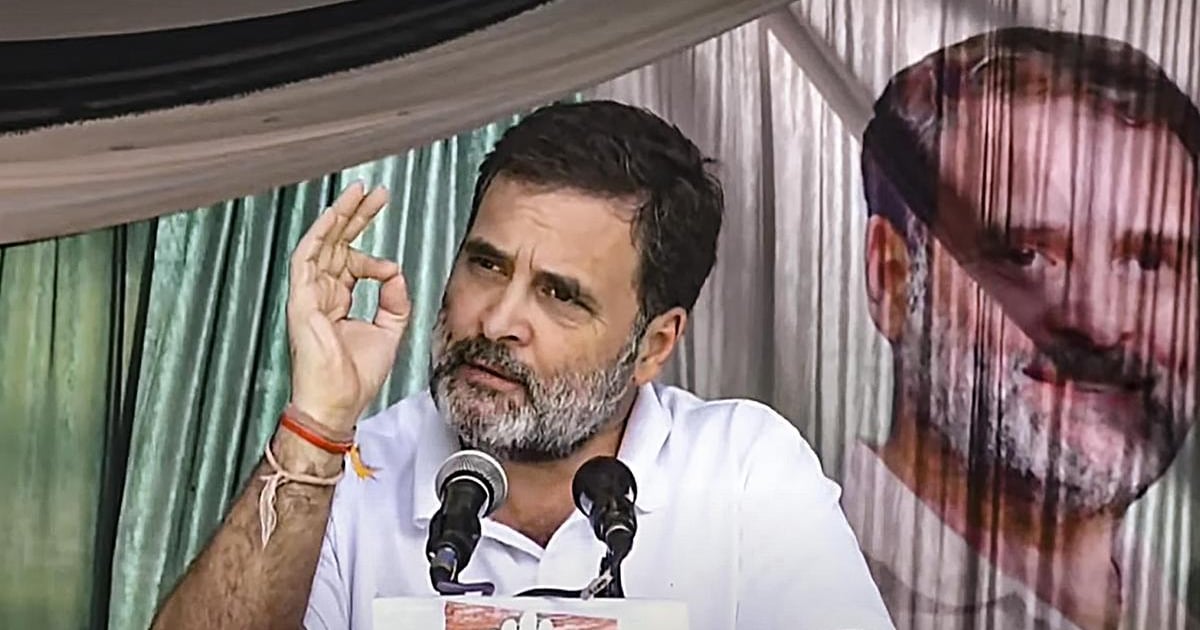
Global trade corridors are feeling the strain of rising protectionism, currency volatility, and shifting diplomatic alliances. Against this backdrop, the upcoming high-level summit in Hyderabad aims to chart a different course by presenting concrete alternatives to polarizing international frameworks. Led by prominent diplomatic figures like Khurshid, the gathering seeks to anchor emerging economies in multilateral stability rather than reactive isolationism.
Traditional economic summits have increasingly turned into arenas for finger-pointing rather than consensus-building. The Hyderabad dialogue attempts to flip that script by shifting the focus toward actionable, decentralized trade mechanisms. Policy architects are betting that regional cooperation will act as an effective buffer against sudden external shocks.
Investors tracking cross-border equities and commodity indices must watch these discussions closely. When major developing economies coordinate on alternative trade settlements, traditional currency dominance faces long-term structural adjustments. The rhetoric coming out of Hyderabad may well transform into tomorrow's bilateral trade agreements.
Fragmented supply chains and unilateral trade sanctions have raised operational costs for businesses worldwide. Emerging markets carry the heaviest burden when dominant global powers weaponize financial infrastructure and monetary policy. This summit offers a platform to challenge that hegemony directly.
Market participants should recognize that these diplomatic maneuvers are fundamentally economic. Lowering trade friction among non-aligned nations opens up fresh revenue pools for agile exporters. Capital allocation strategies will need to account for these rising regional trade blocs.
Source Attribution: Originally reported by gnews-politics (https://news.google.com/rss/articles/CBMi0wFBVV95cUxPbnBwTGR2aXZpeV9ma3phNERTeUZRMENkaUk0UGlzekh1QTlZeEl0eVc5RnBNUkNhcjNCWml1cU80OFdmRXduVmhvUFZ6R3pPY3RfSjl0eWFoS3NxQUxGRjJlMG5iTkVGZml3S3pUZUJodThELUJtTktKeVgtSDZaUElTLUhrRE8tMEtJRE1maDhYZnkxb2ZpWE5DMnRXejVSR2p2WFRhZFJzN3ZKU1N1blZWNjdPZ0t6bmhrRGQxNUpjMEVLWklLX2JRQUZJMl9zNGk00gHgAUFVX3lxTFA5bVdFTk13a1JrNG9nbDFYemlpYy10UjdUQjE3ZTNzaUpZeTNsSkU0R1VRREhkblFWMG15cnZMajR6SWJiallmVEYyem1sb2NYbGxCMDN1NnIyd29oNVM2WHRTS3d0bUhOR0hCdThQN2p2WVRCRHR4UEYtcWlYbF84cU9NYTdfTndUY1JYOTJqSlY5MlBfZXJ5M2lpaXFzVUwzOGNSRUlwN2podEZGQW1TZ0JMMzlkcHBVUUZ3alhEZWF4OVFhN1hEMTZKN0ZhcmxaUDB1bVlySGFETlhXVW43?oc=5).
Disclaimer: The financial, market, and corporate developments published above are reported for informational and educational purposes only. GrowMudra does not provide investment advice or stock recommendations. Readers are strongly advised to consult a SEBI-registered financial advisor before making investment decisions.
























0 Comment