
09 Nov , 2026 By : Shambhavi Mishra
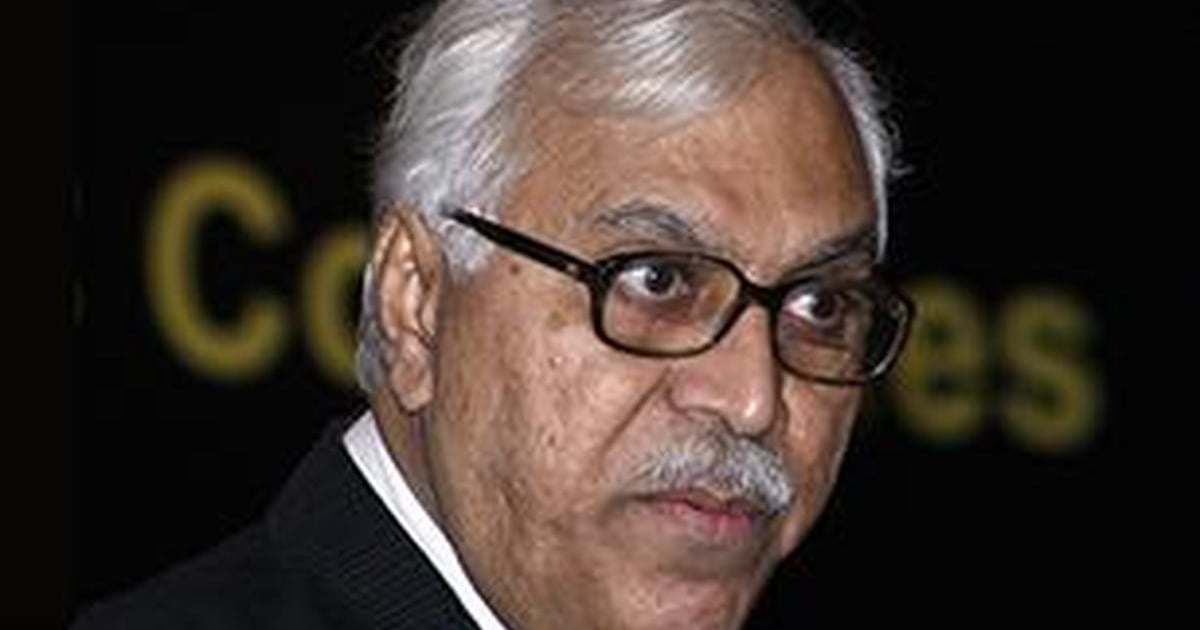
? Quick Take: Former Election Commissioner S.Y. Quraishi has declared the recent West Bengal assembly election legally invalid. This bold move injects immediate uncertainty into India's political landscape, potentially stalling policy implementation and testing the boundaries of electoral precedent.
The Indian political establishment is reeling from a bombshell claim by S.Y. Quraishi, the former Chief Election Commissioner. He asserts that the West Bengal assembly election lacks legal validity. This is not a routine complaint; it is a direct challenge to the foundational integrity of the state's democratic process. For markets, this signals a spike in political risk that could derail short-term growth narratives.
Quraishi’s argument hinges on procedural adherence, specifically the requirement for majority decisions within the Election Commission. He suggests that the EC failed to meet this internal threshold, rendering the outcome void. This is a dangerous interpretation if accepted. It implies that a single dissenting voice could invalidate an entire state’s electoral mandate.
Historically, courts have deferred to the EC’s procedural autonomy. However, a former top official making this claim publicly creates a legal minefield. If this reaches the Supreme Court, the deliberation could take months. During this limbo, the state government may lack the political capital to push through key reforms. Investors in infrastructure and public sector banks operating in Bengal should brace for a policy freeze.
Source Attribution: Originally reported by hindu-national (https://www.thehindu.com/news/national/west-bengal/west-bengal-election-is-not-legally-validformer-cec-sy-quraishi/article71674557.ece).
Disclaimer: The financial, market, and corporate developments published above are reported for informational and educational purposes only. GrowMudra does not provide investment advice or stock recommendations. Readers are strongly advised to consult a SEBI-registered financial advisor before making investment decisions.


























0 Comment