
15 Mar , 2022 By : monika singh
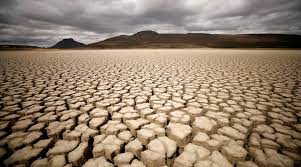
Scientists are good at science but bad at communicating it to the masses. This is precisely why the gap between the scientific understanding of the climate crisis and policy responses widens. The latest Intergovernmental Panel for Climate Change (IPCC) report is a classic example of ineffective communication. Published a few weeks back, it is considered the most comprehensive report on impacts, adaptation and vulnerability, but the presentation leaves much to desire.
The IPCC reports cater to a small set of people. For example, it is 3675 pages long (which very few outside the climate science community would ever read completely) with a 35 page summary. The summary, targeting policymakers, has been written in a complicated way and requires a person with high scientific knowledge to grasp its essence. Besides, IPCC has produced nothing for the general public except for a press release and a set of headlines.
While one can understand the trepidation of the scientific community for generalisation, it is precisely what is needed to get mass support for climate action. Therefore, it is high time that IPCC publishes and disseminates its findings in a way that most can understand and act on. I have attempted to convert the 35-page summary into ten key findings and put it in simple language. I hope that the IPCC would do better than this.
1. The climate crisis is far worse than previously predicted: The impacts on ecology, economy and human well-being are far worse than expected, and adapting to the crisis will be more difficult than anticipated.
2. It is destroying nature: Climate change has already caused substantial damage and increasingly irreversible losses to the biodiversity on land and oceans, including the extinction of hundreds of species. Approximately half of the species assessed globally have shifted polewards or to higher elevations to cope with increasing heat. Further temperature increases will irreversibly damage warm-water coral reefs, coastal wetlands, rainforests, and polar and mountain ecosystems and cause massive extinction of species dependent on these ecosystems.



































0 Comment