
18 Nov , 2026 By : Shambhavi Mishra
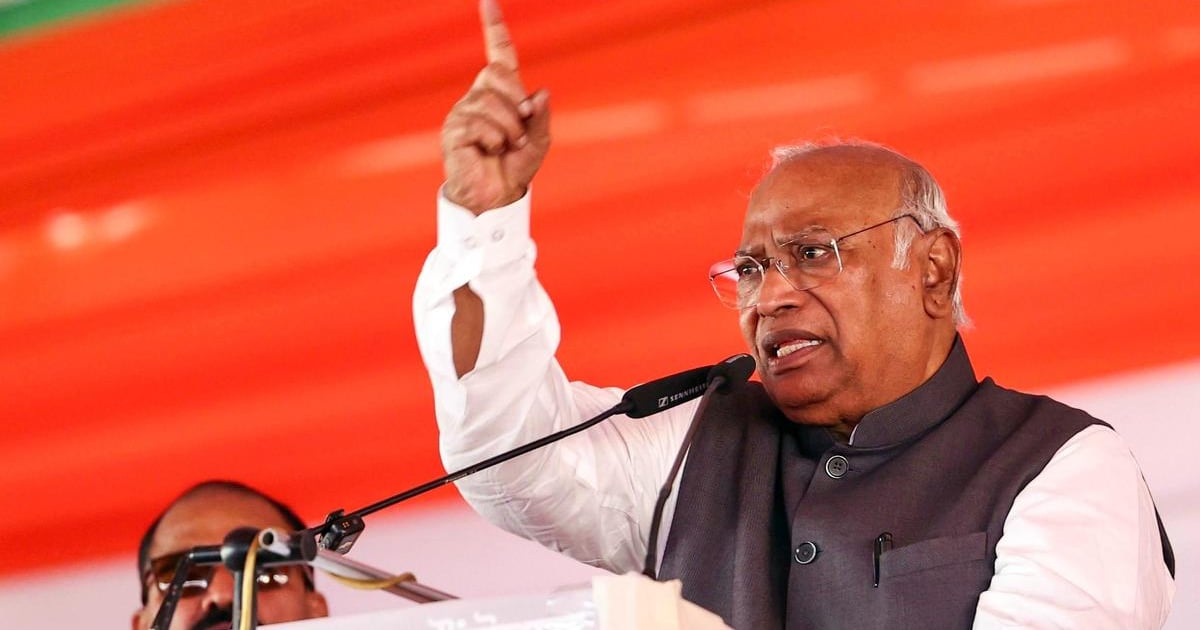
? Quick Take: Congress President Mallikarjun Kharge launched a sharp critique of the Modi government over worsening air pollution. For markets and investors, environmental degradation translates directly into heavy public health costs and lost productivity.
When political rhetoric intersects with ecological crisis, the balance sheets of the nation take a hit. Congress chief Mallikarjun Kharge did not mince words when calling out the Centre over India's chronic smog and toxic skies. Asserting that clean air is a fundamental right rather than a state-granted privilege, his remarks place environmental accountability front and center in the national discourse.
Markets often track industrial output and infrastructure spending while ignoring the silent tax exacted by poor air quality. Chronic pollution reduces workforce productivity, drives up healthcare expenditures, and strains urban infrastructure. When major manufacturing and financial hubs turn into gas chambers, corporate India absorbs the shock through absenteeism and higher medical insurance claims.
Kharge’s sharp query about becoming a global leader in pollution highlights the governance deficit in managing ecological transitions. Environmental clearances and green energy targets are no longer just regulatory compliance checkboxes. They are critical determinants of foreign direct investment as global funds increasingly factor ESG metrics into capital allocation.
The core of the opposition's critique targets the execution gap in central and state-level anti-pollution frameworks. Stubble burning, unchecked industrial emissions, and vehicular congestion continue to evade effective long-term containment. Short-term band-aids like graded response action plans offer temporary relief but fail to fix structural flaws.
Investors need to recognize that regulatory pressure on high-emission sectors will only intensify. Cement, steel, power, and auto manufacturers face mounting compliance costs as public outrage over toxic air forces judicial and executive interventions. Ignoring these shifts risks holding stranded assets in carbon-heavy portfolios.
Source Attribution: Originally reported by hindu-national (https://www.thehindu.com/news/national/why-are-we-becoming-vishwaguru-in-air-pollution-kharge-asks-modi-government/article71685788.ece).
Disclaimer: The financial, market, and corporate developments published above are reported for informational and educational purposes only. GrowMudra does not provide investment advice or stock recommendations. Readers are strongly advised to consult a SEBI-registered financial advisor before making investment decisions.












0 Comment