
19 Jan , 2022 By : monika singh

“The fall in rural FMCG spending is more the result of a base effect. Last year a lot of people shifted when we saw the migration from the urban to the rural areas and that really inflated the rural share in the overall FMCG pie. But now people have shifted back,” says Aditi Nayar, Chief Economist, ICRA NSE 0.22 %.
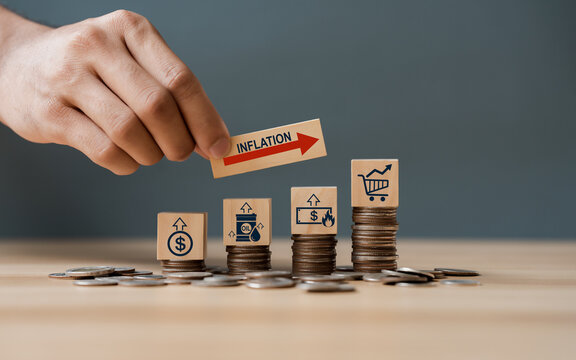
Inflation is becoming a real worry and it is a global phenomenon. In the Indian context, 5.59% was the CPI for December and it is still masking the real inflation or what a full pass through of crude prices would mean for consumers. How worried do you think policymakers should be right now?
Crude oil prices globally have run ahead of demand at this point in time. Yes, Omicron is less of a worry but in the immediate term, we will see a fall in mobility but we do not expect to see a fall in economic activity and that is what our expectation is as well. We expect the Q4 GDP growth to be a little bit lower than what we thought. We are looking at a modest downside to our forecast of 9% GDP growth in FY22 with the impact of Omicron likely to be limited within this quarter and not really spilling over into FY23.
Having said that, there are multiple nuances to the question that you asked at one level. In any case, mobility is likely to be lower for the next few weeks and so even if there were to be price increases at the retail level, that would get absorbed by the restrictions that we are seeing in some states being triggered by Omicron. That will anyway lead to a change in behaviour. There is more work from home for instance; schools and educational institutions are closed in most states. Globally, commodity prices had corrected from the November highs back to roughly September levels when Omicron hit the headlines. They have pretty much rebounded back in January.
Does the headline figure of CPI truly reflect everything an ordinary Indian spends on? We have a fairly robust PDS system; we have DBT right now and a lot of things are subsidised, especially for the economically weaker sections. But for an average ordinary Indian, for whom even things like a spend on your sim card or on Wifi or internet has become a part of daily existence with kids going to online school or the cost of transport and the cost of anything else have all gone up. Is it now impacting rural consumption?
There are also a lot of things in our CPI basket in terms of services which will not move around in the index irrespective of whether those services are being consumed or not. Also there are big ticket items which we do not buy every month or every year. Even so, we have automobiles included in the CPI basket because that is part of an overall spend but it is not something that necessarily affects the monthly budget. So there are many ways of looking at it.
As for the rural FMCG spending, I believe it is more of a base effect. Last year a lot of people shifted when we saw the migration from the urban to the rural areas and that really inflated the rural share in the overall FMCG pie. But now people have shifted back. There is a lot of back and forth which is happening and my firm belief is that because the government was very proactive in announcing free food grain early on in the second wave and extending it further, it actually had to retain a lot of workers in the urban areas and that is part of the reason that we are not going to get a very high rural FMCG consumption growth this year.




















0 Comment