
18 Nov , 2026 By : Shambhavi Mishra
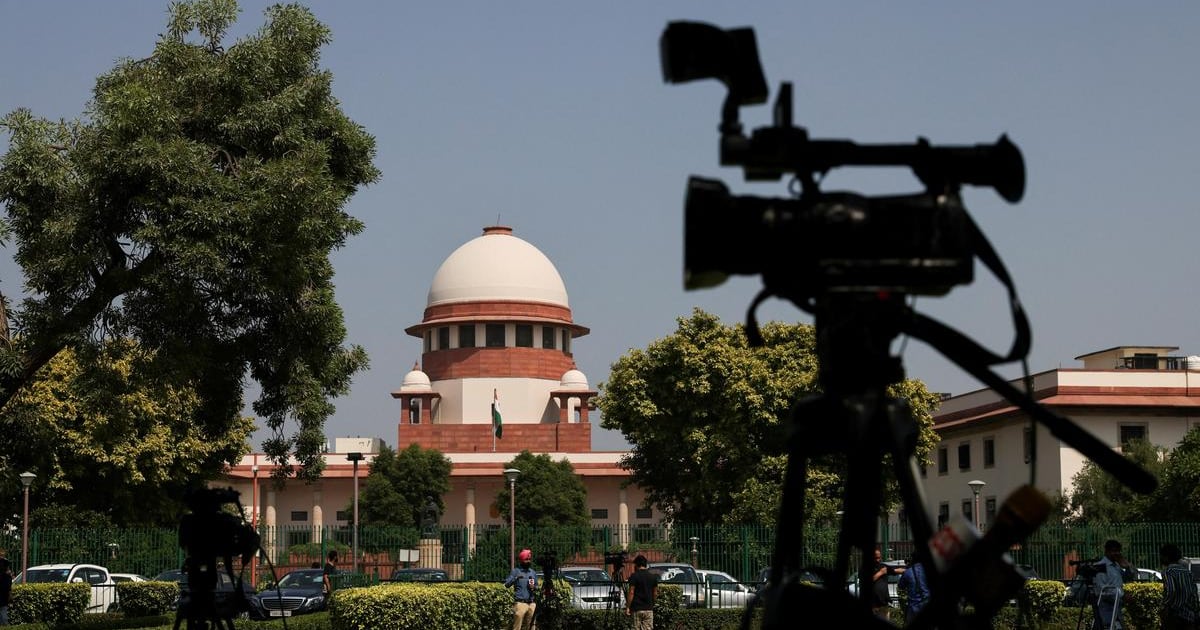
? Quick Take: The Supreme Court has addressed complex questions regarding parental salary and creamy-layer status for OBC reservations. This ruling directly impacts how eligibility is assessed under long-standing memoranda.
The boundaries of affirmative action in India are shifting once again. The Supreme Court's latest scrutiny into the Other Backward Classes (OBC) creamy-layer classification brings familiar questions back to the forefront: Can a parent's salary alone lock a candidate out of reservation benefits, or must broader socio-economic markers dictate exclusion? For aspirants, policymakers, and legal analysts alike, this clarification cuts straight to the core of how economic mobility intersects with constitutional guarantees.
To understand the weight of the court's current observations, we have to look back. The foundational 1993 Office Memorandum laid down the initial framework for excluding the creamy layer from reservation benefits. Over a decade later, the 2004 clarification attempted to fine-tune these parameters, particularly concerning income and wealth thresholds.
Yet, implementation has rarely been straightforward. As economic landscapes evolved, relying strictly on nominal salary figures created friction on the ground. Families navigating government employment and private wealth found themselves caught in ambiguous administrative interpretations.
Income is easy to measure on paper, but it tells an incomplete story of accumulated advantage. The debate hinges on whether a steady government salary should automatically push a family past the creamy-layer threshold, regardless of inflation, asset ownership, or regional cost of living.
Critics of strict salary caps argue they penalize salaried households while missing wealthier business and agricultural families who report lower taxable incomes. The Supreme Court's recent engagement with these nuances forces administrative bodies to look at the holistic intent behind the creamy layer concept rather than mechanical number-crunching.
Source Attribution: Originally reported by hindu-national (https://www.thehindu.com/news/national/explained-what-did-the-supreme-court-clarify-on-the-obc-creamy-layer/article71685709.ece).
Disclaimer: The financial, market, and corporate developments published above are reported for informational and educational purposes only. GrowMudra does not provide investment advice or stock recommendations. Readers are strongly advised to consult a SEBI-registered financial advisor before making investment decisions.

























0 Comment