
08 Nov , 2026 By : Shambhavi Mishra
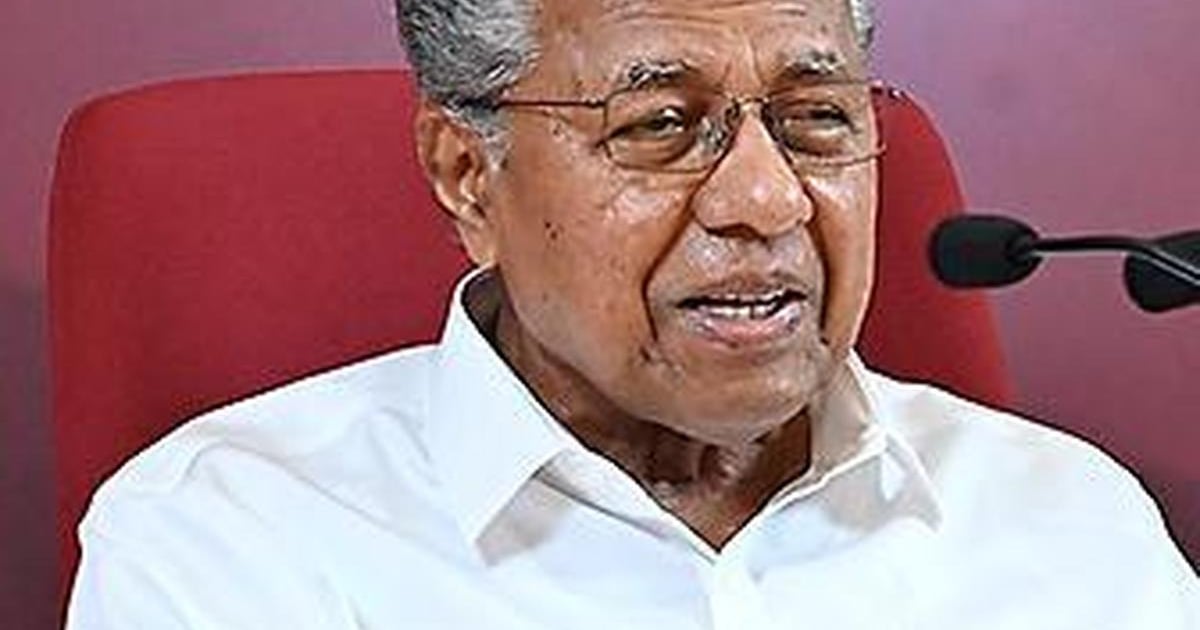
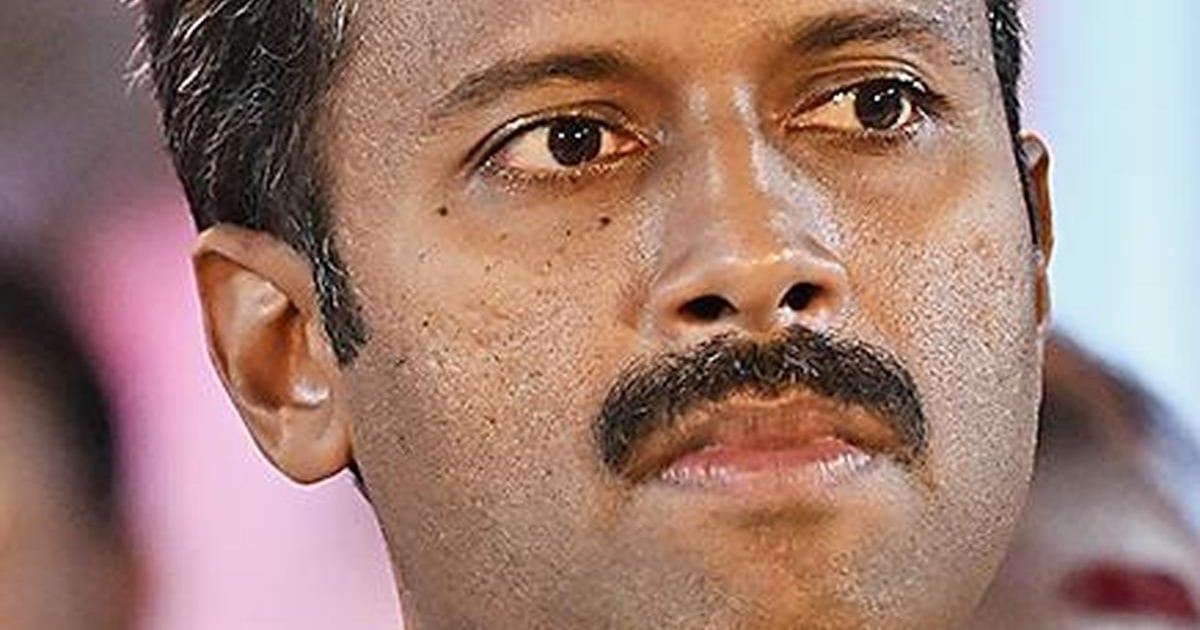
? Quick Take: Kerala opposition leader Pinarayi Vijayan has defended spending on official government residences, arguing that timely upkeep is vital infrastructure maintenance rather than wasteful beautification. For taxpayers and fiscal analysts, the debate highlights the thin line between necessary asset preservation and optics in public spending.
Public infrastructure upkeep has unexpectedly landed at the center of political friction. Kerala Leader of the Opposition Pinarayi Vijayan has openly challenged the narrative surrounding state-funded repairs of official residences. Addressing a persistent point of contention between governance realities and public optics, he pointed out that letting state assets rot under the guise of fiscal prudence is false economy.
For years, state-backed renovation projects have faced severe media scrutiny. Whenever funds are allocated to fix leaking roofs, outdated plumbing, or structural wear in ministerial bungalows, headlines routinely frame the expenditure as extravagant beautification. Vijayan pushed back hard against this framing, noting that ignoring basic maintenance eventually leads to massive capital erosion down the line.
Government-owned properties are public assets that outlast individual administrations. Letting heritage structures and official quarters decay does not save taxpayer money; it simply defers necessary costs into much steeper rehabilitation bills later. Yet, political opponents and media watchdogs often weaponize these repair budgets to signal fiscal irresponsibility.
At a macro level, how a state manages its physical assets speaks volumes about its broader administrative efficiency. Public capital expenditure is supposed to build and preserve value. When routine maintenance is stalled due to fear of negative headlines, administrative functionality takes a direct hit.
Investors tracking regional economic stability often look at how governments balance necessary infrastructural maintenance against populist pressures. Deferring basic upkeep to appease short-term public perception sets a dangerous precedent. It mirrors households delaying roof repairs to save cash today, only to face structural collapse tomorrow.
Source Attribution: Originally reported by hindu-national (https://www.thehindu.com/news/national/kerala/official-residences-need-timely-repairs-says-pinarayi-vijayan/article71674653.ece).
Disclaimer: The financial, market, and corporate developments published above are reported for informational and educational purposes only. GrowMudra does not provide investment advice or stock recommendations. Readers are strongly advised to consult a SEBI-registered financial advisor before making investment decisions.













0 Comment