
20 Jul , 2022 By : Monika Singh
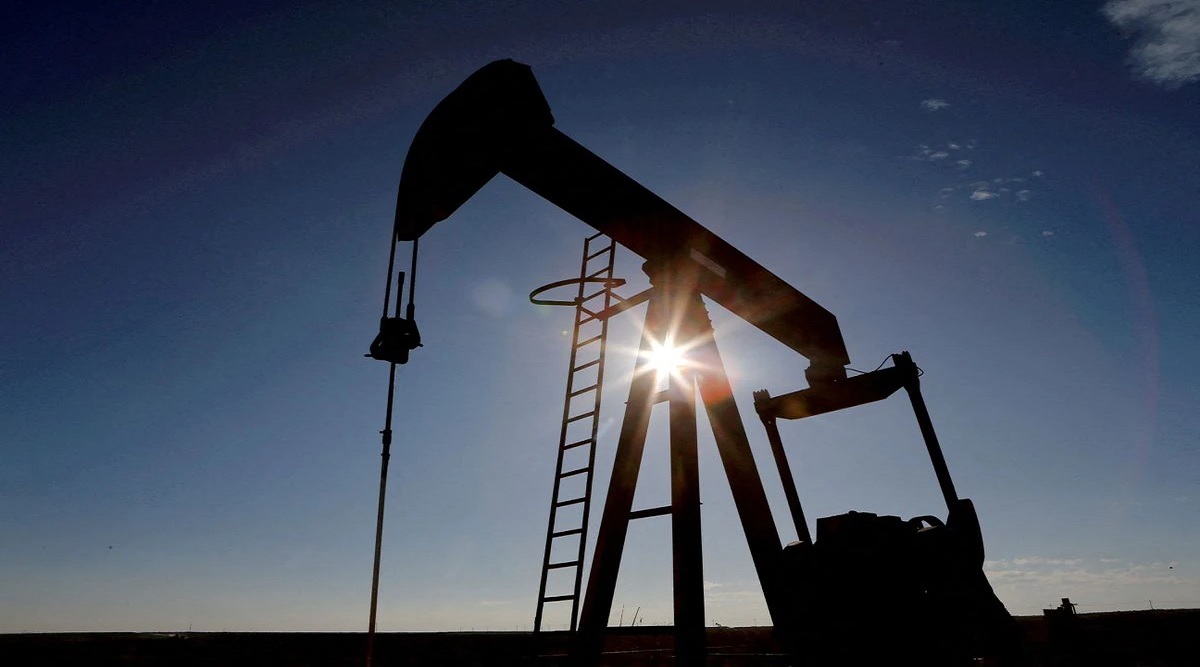
Government eases windfall tax Diesel, Crude Oil And Jet Fuel Shipments: As crude prices begin sliding under the weight of recession fears, the Centre has eliminated the Rs 6 a litre tax it imposed on export of petrol from the beginning of the month, reduced export taxes on diesel and aviation turbine fuel by Rs 2 a litre from Rs 13 and Rs 6 per litre respectively imposed on July 1. The additional excise duty on domestic crude has been reduced by 27% to Rs 17,000 per barrel. New rates will be effective from Wednesday.
The idea to impose the cess on domestic crude production by upstream firms such as ONGC and Reliance was to tax “windfall gains” from their sales at international parity prices to the refiners; while the tax on exports of transport fuels was intended at reversing the refiners’ growing tendency to sell in the export markets overlooking the domestic need.
On the impact of the taxes imposed, CLSA said, “The spot refining spread of gasoline (petrol) has fallen to near the 15-year average. A US$12/bbl windfall tax on this takes the realised refining spread down to a near loss-making level of just US$2/bbl. Similarly, the diesel spread after the export tax of US$26/bbl would be a meagre US$2/bbl. Although the spot Brent crude and ATF spreads are still above 15-year averages, post-windfall tax these imply realisations way below their 15-year averages.”
Rating agency ICRA estimated that the cess on crude would adversely impact the EBITDA of the Indian upstream industry by about Rs 518 billion for FY23. Morgan Stanley had said the move would impact FY23 margins of ONGC and Oil India by 36% and 24% respectively.
Coupled with additional duties, the domestic supply obligations of the exporters were supposed to provide some succour to the PSU oil marketing companies who were witnessing increased offtake due to lower sales by the private refiners. However, as they kept prices higher, commuters are giving private retail outlets a slip.
































0 Comment