
15 Nov , 2026 By : Shambhavi Mishra
? Quick Take: Ethereum developers are locked in a debate over two competing proposals to shield legacy contracts from impending gas adjustments. For crypto asset holders and decentralized finance participants, this technical showdown directly impacts network stability and execution costs.
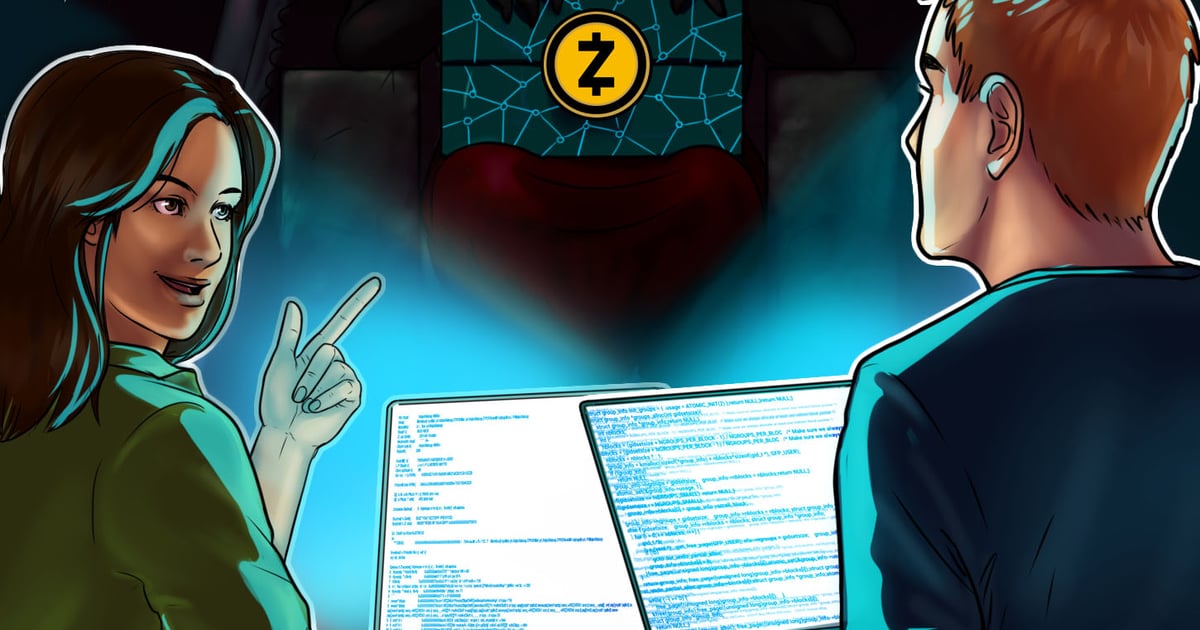
The mechanics behind Ethereum's upcoming Glamsterdam upgrade have sparked an intense developer debate. Two rival improvement proposals have emerged to solve a critical design flaw: ensuring that sweeping gas fee modifications do not inadvertently break years of legacy smart contracts deployed across the network.
Major network upgrades frequently carry unintended collateral damage. As core developers prep for Glamsterdam, the looming danger is that adjusting gas mechanics will alter how old code executes, effectively bricking existing decentralized applications.
This is not an abstract coding dispute. Billions of dollars in total value locked rely on these legacy smart contracts operating without interruption.
The developer community has split into two distinct camps regarding how to handle backward compatibility. One camp advocates for altering what legacy contracts are allowed to perceive during execution, shielding them from raw infrastructure shifts.
The alternative proposal focuses squarely on the end user's side of the equation. This model targets what transacting wallets pay, altering fee abstraction layers rather than rewriting contract visibility rules.
For everyday traders and yield farmers, underlying protocol upgrades rarely make news until something breaks. If the wrong technical path is chosen, liquidity pools and lending markets could face abrupt execution halts.
Market participants holding Ether or interacting with smart contract layers need to monitor these core developer calls closely. Stability remains the ultimate currency in decentralized finance.
Source Attribution: Originally reported by coindesk-news (https://www.coindesk.com/tech/2026/11/09/two-rival-ethereum-proposals-aim-to-stop-glamsterdam-breaking-old-contracts).
Disclaimer: The financial, market, and corporate developments published above are reported for informational and educational purposes only. GrowMudra does not provide investment advice or stock recommendations. Readers are strongly advised to consult a SEBI-registered financial advisor before making investment decisions.













0 Comment