
24 Mar , 2026 By : Debdeep Gupta
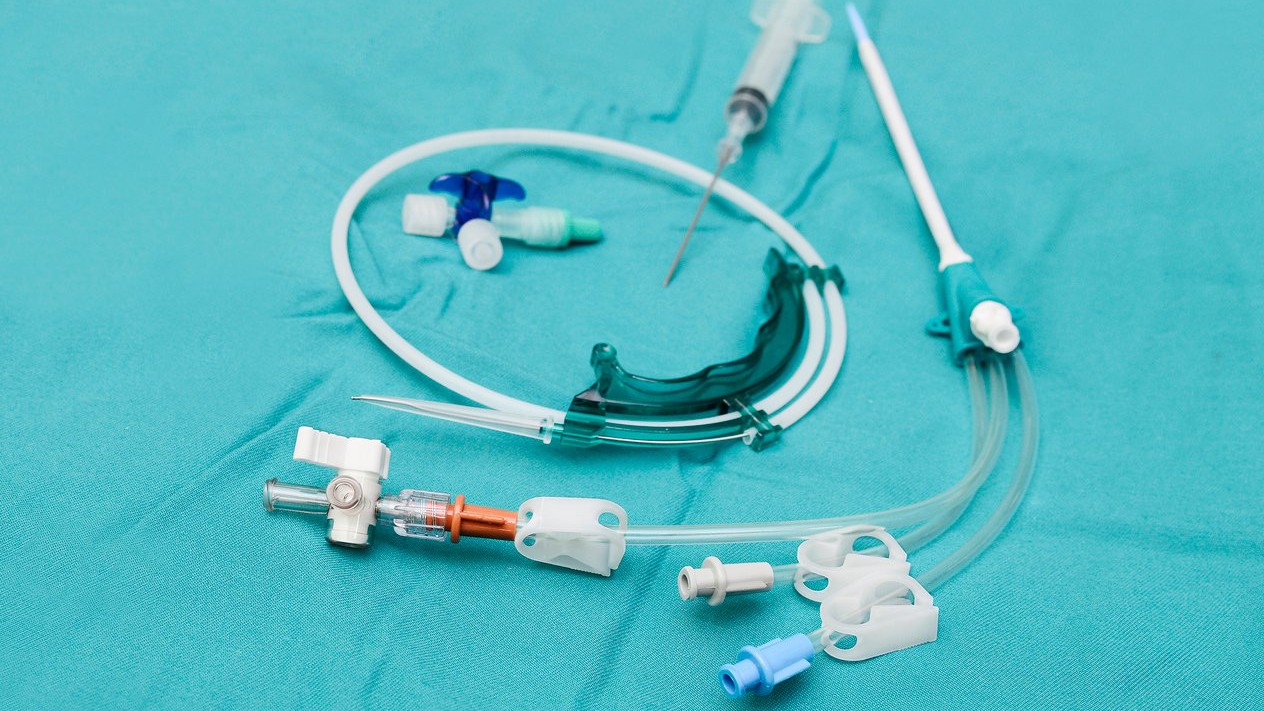
Medical device industry has warned of a hospital supply crisis and sought immediate fiscal and logistical relief from government, saying the surge in raw material prices and the Strait of Hormuz blockade is squeezing margins.
In letters to commerce minister Piyush Goyal and revenue secretary Arvind Shrivastava, the Association of Indian Medical Device Industry (AiMeD) sought fast tracking of goods and supplies tax (GST) refunds to preventing opportunistic freight hikes to “protect more than half a million jobs” and shield domestic manufacturers from a worsening global crisis.
“The prolonged nature of current disruptions risks production slowdowns and exposes the industry to opportunistic pricing by dominant raw material suppliers,” AiMeD said in its March 23 letters.
AiMeD’s has asked the government to fulfil its promise to refund excess GST within seven days. Manufacturers continue to grapple with the inverted duty structure, paying 18 percent GST on inputs while charging only 5 percent on finished devices—resulting in “large accumulations of unutilized input tax credit and increased bank borrowings.” Pending refunds “remain unsustainable amid rising input costs,” it said.
The sector is also calling on the government to direct logistic provider Concor to avoid “opportunistic increases” in inland freight charges, which it said would further erode cash flows already battered by global shipping delays and higher logistics costs. It also wants Adani Gas to shift from a daily to a weekly supply cap to ensure continuous plant operations.
AiMeD also warned against reducing import duties on finished medical devices, arguing the move would “severely disadvantage domestic manufacturers already under stress”.
Iran war pushes up input costs
The industry has called for a targeted, three-month customs rebate of 2.5 percent on raw material imports and 5 percent on component imports to restore stability at a time when prices of plastics and energy inputs have spiralled.
AiMeD said this calibrated measure would help “stabilise domestic production, maintain affordability, and protect India's export commitments to the US, EU, and other markets”.
Since the Iran war, prices of critical plastics have jumped nearly 50 percent, packaging and diesel based self-generated power costs have climbed more than 20 percent, and PNG gas — crucial for process heating — has nearly doubled, it said.
Despite these pressures, the industry maintains that there are no shortages.
“As of now, there are no shortages of syringes or other medical disposables… However, we are seeing substantial price increases, longer lead times, and highly elevated freight costs, Rajiv Nath, forum coordinator at AiMeD said.
To stay afloat, many manufacturers have already raised prices by 10–20 percent.
Behind the rising anxiety is India’s dependence on imported medical grade polymers, a vulnerability that makes the country especially exposed to disruptions through the Hormuz chokepoint, a lifeline for global petrochemical flows.
Any sustained blockage “directly threatens manufacturing continuity and the stability of hospital supplies”, AiMeD said.
The Indian medical devices industry, valued at approximately $14-16 billion in 2025, is a projected to reach $50 billion by 2030, the Economic Survey said. While heavily dependent on imports for high-end technology (80-85 percent import dependency), India exported roughly $4.1 billion in devices in FY25 to over 187 countries, focusing on consumables and diagnostics.

























0 Comment