
09 Nov , 2026 By : Shambhavi Mishra

? Quick Take: A cab driver's brutal killing of seven family members in Bengaluru exposes chilling gaps in local community safety and grievance redressal. The incident underscores rising social fractures in urban Indian centers.
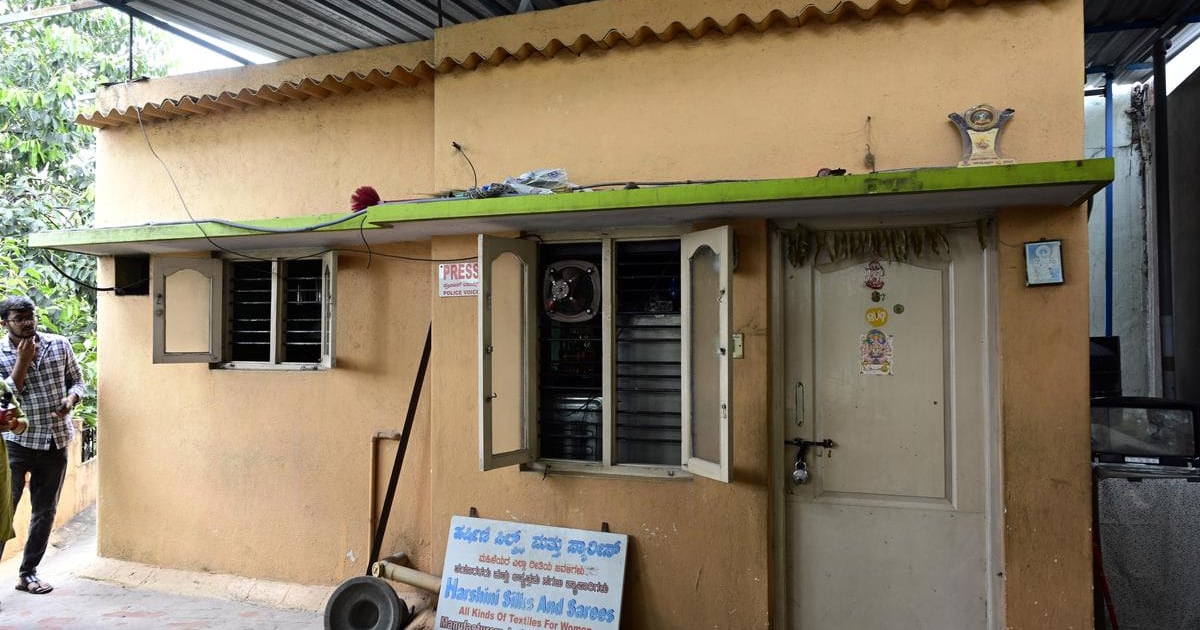
Urban safety frameworks in India are facing sharp scrutiny following a horrific serial murder case in Bengaluru. Karnataka Minister Priyank Kharge revealed that the accused cab driver claimed he committed the mass killing because his wife's family continuously humiliated him and interfered in his personal life. The tragedy, which wiped out multiple members of a single family, has left local residents and policymakers grappling with how deep-seated domestic disputes can escalate into catastrophic public safety failures.
Initial investigations and reports paint a harrowing picture of the events leading up to the tragedy. The accused allegedly isolated victims, with chilling details emerging of a young child forced to spend days in the company of the killer following the murders.
Neighbours have since come forward claiming the accused had terrorized the locality for years. This points to a glaring blind spot in local law enforcement and community-level monitoring systems that failed to flag aggressive behavioral patterns early on.
Incidents of extreme urban violence force a hard look at the breakdown of informal mediation and mental health support structures in metros like Bengaluru. Rapid urbanization often isolates families, leaving domestic conflicts to fester without community intervention.
When grievances over family interference morph into uncontrolled rage, the fallout destabilizes entire communities. Law enforcement agencies are now under pressure to adopt proactive policing models that identify volatile domestic situations before they cross the threshold of lethal violence.
Source Attribution: Originally reported by gnews-top-india (https://news.google.com/rss/articles/CBMigAJBVV95cUxPZGZXN0hIZWdiSm85TUtuNzhGSnBGbE1KUlJONkhvNnBvcHgxczA4WXJxR0NfZUdXcnBKMUpiYmFoZk5RbGZsbDBDVGx2WGc0YmVXRktNRERfcUcxNkVpNVJkZ1c5US1RakpMU3RRMkd0eFl1MGs1VEZfa3YzVnR2SjVvdF9PUW9uRGI3bnIzdml0NXEtRU8wM1lQdmR6YzlNbjRMVFpsdU5Vc05KSjNaQTRxNGFqemxrZ2ltNG9OcF9LeHMwY0lJNzlhZ3VlTzJaQ1lHakNwWndmMGlURTN3YWJjWDlIY1FzYnVrai1QX0lETm9fMzBsVDFidW1OZWg40gGGAkFVX3lxTE9WMVRoN1B1U1NwSzdpZVNveWVlTFdnZ1BJRU8wMlBWVzNVSlRCZWwycmNoQmVzX1JZS0hlcXpvcWtXZ3ZSR2F6TU82UTVISlQwZmZSc1RxdGwxTDhhYWthNmMwS2dXUGE3dXFZN3dpWVZQV0ladHdFRzJHN05ZRm1SX2ttelZpaXNlYmdxW1Blb0haZDg5WmUzZDhCdWZYd2pCUjN4bS1xNnVNWnNHa24tUUNJWE5icm50RW1fX1JDbmZiRXRjSk5LWkJ0UFBmOVhkbGtpZ2pVOFAwcGRtY3NnMm1scDZoeEU3NUtIaVRJTEJoWkZuQ0FpUEhhY09iZ2Fzc3dMWUE?oc=5).
Disclaimer: The financial, market, and corporate developments published above are reported for informational and educational purposes only. GrowMudra does not provide investment advice or stock recommendations. Readers are strongly advised to consult a SEBI-registered financial advisor before making investment decisions.

















0 Comment