
02 Jul , 2021 By : Kanchan Joshi
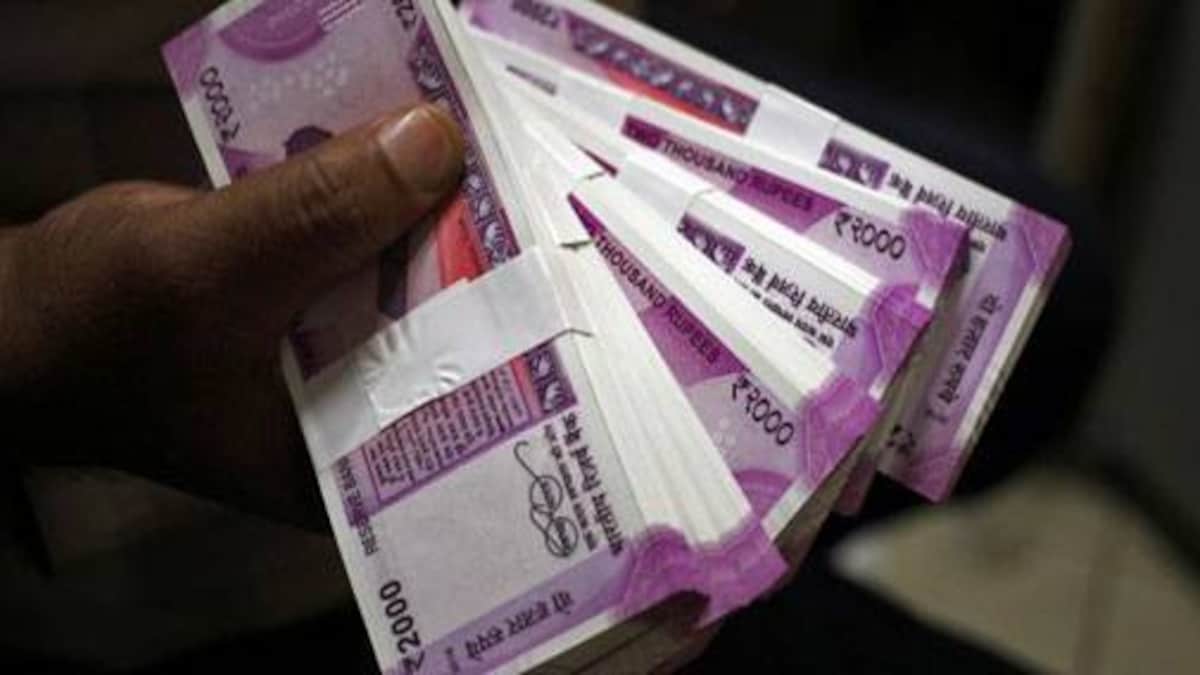
Mumbai: The pandemic conditions during the year notwithstanding, gross non-performing asset (NPA) ratio for India’s non-bank financiers declined with a more-than-commensurate fall in the net bad loan ratio, attesting to higher provisioning, the Reserve Bank of India said.
The gross bad loan ratio of the sector stood at 6.4% as on 31 March 2021, as compared to 6.8% in the same period last year. Their capital adequacy ratio also improved 130 basis points (bps) to 25% in the same period, showed data released in RBI’s Financial Stability Report on Thursday.
To be sure, the March 2021 data is provisional in nature and based on data of 276 non-banking financial companies (NBFCs) of total asset size Rs38.8 trillion.
However, microfinance companies, or those classified as NBFC-MFIs and are primarily dependent on bank borrowings for funding, have been undergoing asset quality stress during the pandemic. Their gross NPA ratio ballooned from 2% of total advances in March 2020 to 4.9% in March 2021 as business dislocation dampened recoveries, RBI said.
That apart, their SMA-2 advances increased from 0.2% to 1.3% of total advances in the same period. Special mention account-0 (SMA- 0) loans are where the repayment overdue is between one day and 30 days, SMA-1 (between 31 and 60 days) and SMA-2 (61-90 days).
“Decline in collection efficiency could impact the liquidity position of NBFC-MFIs negatively and have implications for the quality of their borrowings," RBI said.
However, credit extended by non-bank financiers rose 8.8% year-on-year (y-o-y) during 2020-21 after a deceleration in the preceding year that was marred by credit events in the sector and muted demand.
The central bank also assessed the resilience of the NBFC sector to credit risk shocks through system-level stress tests conducted for a sample of 177 NBFCs. The sample comprised nine deposit-taking NBFCs and 168 non-deposit-taking systemically important NBFCs with a total asset size Rs27.43 trillion as on 31 March 2021, constituting about 70% of the total assets of the sector.
They do not include any housing finance company, RBI said. Under a high-risk shock, the gross NPA ratio of the sector increases by more than one percentage point and the capital adequacy ratio declines marginally, it said.
That apart, capital adequacy ratios of seven NBFCs were below the minimum regulatory requirement of 15% in March 2021. Under medium and high-risk scenarios, the system-level capital adequacy ratios of 12.6% and 14% of NBFCs, respectively, would fall below the minimum regulatory requirements, it added.






























0 Comment