
09 Nov , 2026 By : Shambhavi Mishra

? Quick Take: A family of 12 was severely injured in Orchha after a dismantled CNG cylinder sparked a massive fire. The incident lays bare the fatal safety gaps plaguing India's massive informal scrap economy.
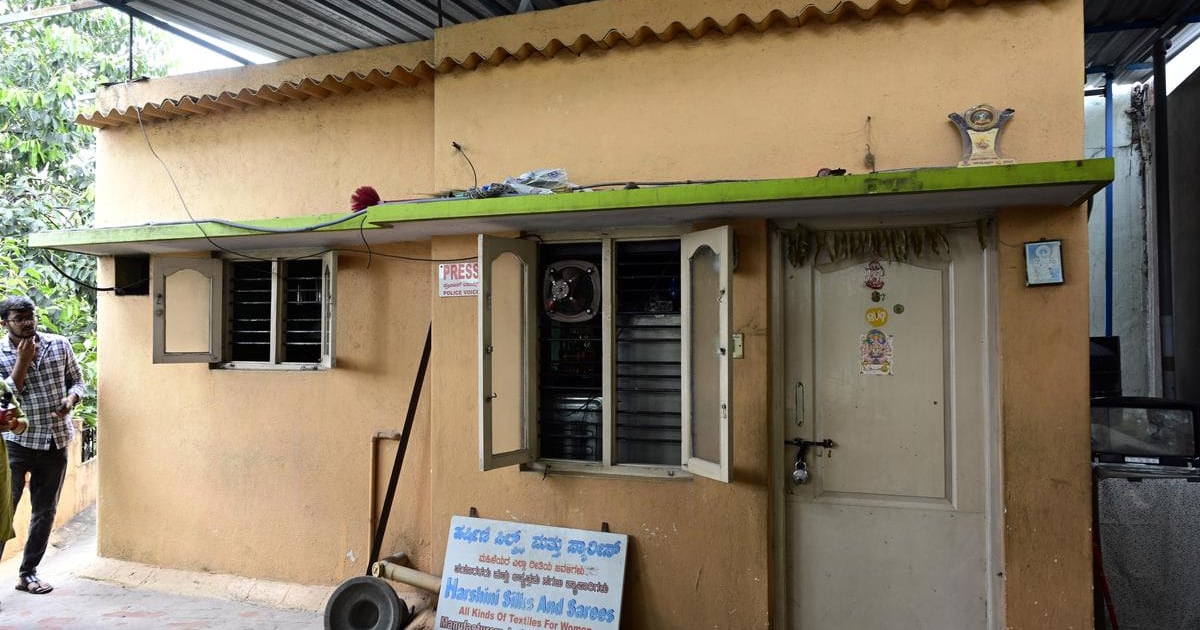
Economic survival in India's unorganized sector often skirts the absolute edges of danger. When local scrap dealer Khalil purchased a discarded CNG cylinder, his intent was purely commercial: extract valuable brass and internal metals to resell in local markets. Instead, a sudden gas leak triggered a devastating fire in Madhya Pradesh’s Orchha, hospitalizing a dozen family members, with two fighting for their lives. This grim accident goes far beyond a localized tragedy; it serves as a glaring indictment of the hazardous informal recycling pipelines operating unchecked across Tier-2 and Tier-3 India.
India’s recycling ecosystem relies heavily on unorganized scrap yards that handle everything from old electronics to heavy industrial pressure vessels. Without standardized safety audits or personal protective equipment, workers routinely handle hazardous materials using primitive hand tools. High-pressure vessels like CNG or LPG cylinders require specialized de-pressurization equipment and certified technicians. Dismantling them manually for base metals like brass turns residential backyards into ticking time bombs.
Local authorities often turn a blind eye to small-scale scrap operations until a catastrophe forces their hand. Traceability in the secondary metal market remains weak, allowing discarded or stolen automotive cylinders to enter private homes without proper tracking. When regulatory oversight is missing, individual livelihoods take precedence over baseline industrial safety norms. Families absorb the physical and financial shocks of these disasters entirely on their own, lacking health insurance or institutional safety nets.
Source Attribution: Originally reported by hindu-national (https://www.thehindu.com/news/national/madhya-pradesh/several-in-family-injured-in-fire-caused-by-cng-leak-in-mps-orchha-some-of-them-critical/article71676003.ece).
Disclaimer: The financial, market, and corporate developments published above are reported for informational and educational purposes only. GrowMudra does not provide investment advice or stock recommendations. Readers are strongly advised to consult a SEBI-registered financial advisor before making investment decisions.


















0 Comment