
15 Nov , 2026 By : Shambhavi Mishra
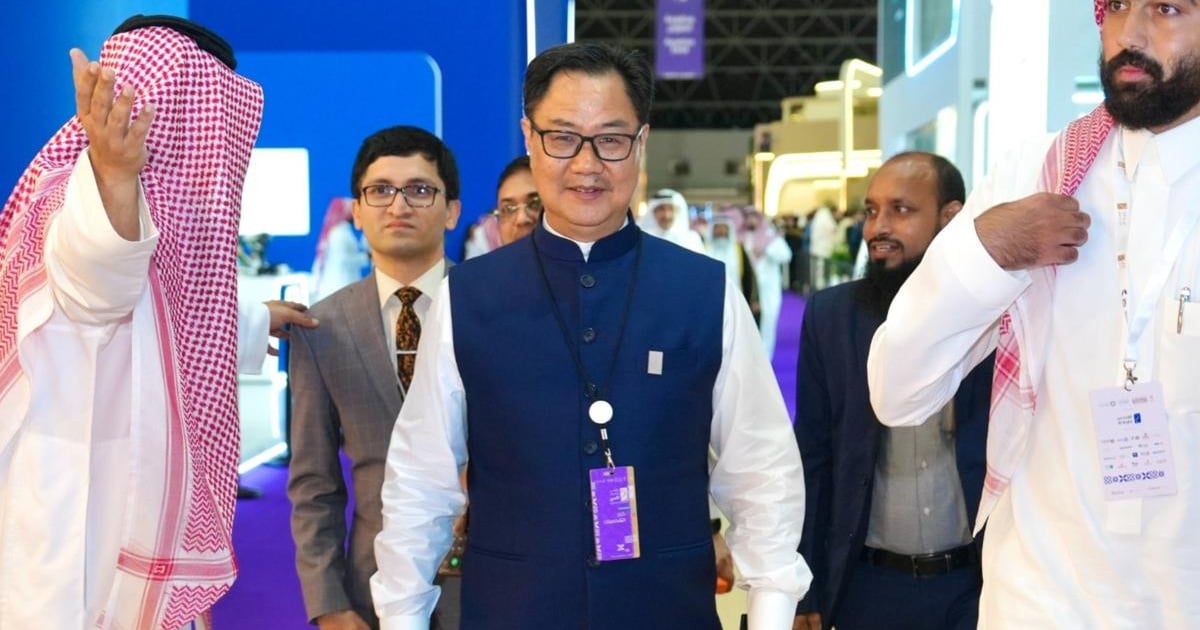
? Quick Take: Union Minister Kiren Rijiju represented India at the sixth Hajj Conference in Jeddah, focusing heavily on pilgrim logistics and welfare. The diplomatic push signals early institutional prep for Hajj 2027, carrying tangible implications for travel operators and economic exchanges between New Delhi and Riyadh.
Geopolitics rarely operates in isolation from large-scale human logistics, and few events test international coordination quite like the annual Hajj pilgrimage. Union Minister Kiren Rijiju stepped into this exact intersection this week, touching down in Jeddah to attend the sixth Hajj Conference and Exhibition. For observers watching diplomatic and economic ties in the Gulf, the visit is less about routine ceremonial diplomacy and more about securing vital administrative pipelines for millions of travelers.
Planning for a mega-pilgrimage begins years in advance, long before travelers pack their bags or book flights. Rijiju's presence at the Jeddah summit aimed to lock in infrastructural commitments and institutional coordination for Hajj 2027. Engaging directly with Saudi authorities allows New Delhi to secure favorable quotas, streamline health clearances, and negotiate transparent pricing models.
Behind the spiritual significance lies a massive logistical machinery involving aviation, hospitality, and foreign exchange. When New Delhi pushes for enhanced pilgrim welfare at ministerial levels, it directly impacts the operational margins of specialized tour operators, state-backed agencies, and banking channels handling foreign remittances. Efficient planning cuts down overhead costs, reducing the financial friction borne by middle-class Indian families saving years for the journey.
India-Saudi Arabia relations extend far beyond crude oil imports and energy security. The management of the pilgrimage serves as a barometer of bilateral goodwill, impacting everything from labor mobility to retail tourism. Every high-level ministerial visit to Riyadh builds institutional trust that trickles down to commercial agreements and investment flows.
For retail investors tracking hospitality, travel, and aviation sectors, these bilateral engagements highlight the growing fluidity of cross-border movement. Saudi Vision 2030 aims to revamp the kingdom's tourism and pilgrimage infrastructure significantly. As Riyadh pours capital into modernizing transit hubs, Indian service providers stand to capture a share of the expanding pilgrimage economy.
Source Attribution: Originally reported by hindu-national (https://www.thehindu.com/news/national/union-minister-rijiju-attends-hajj-conference-in-saudi-arabia-stresses-pilgrims-welfare/article71681860.ece).
Disclaimer: The financial, market, and corporate developments published above are reported for informational and educational purposes only. GrowMudra does not provide investment advice or stock recommendations. Readers are strongly advised to consult a SEBI-registered financial advisor before making investment decisions.
















0 Comment