
08 Jul , 2022 By : kaushiki Mehta
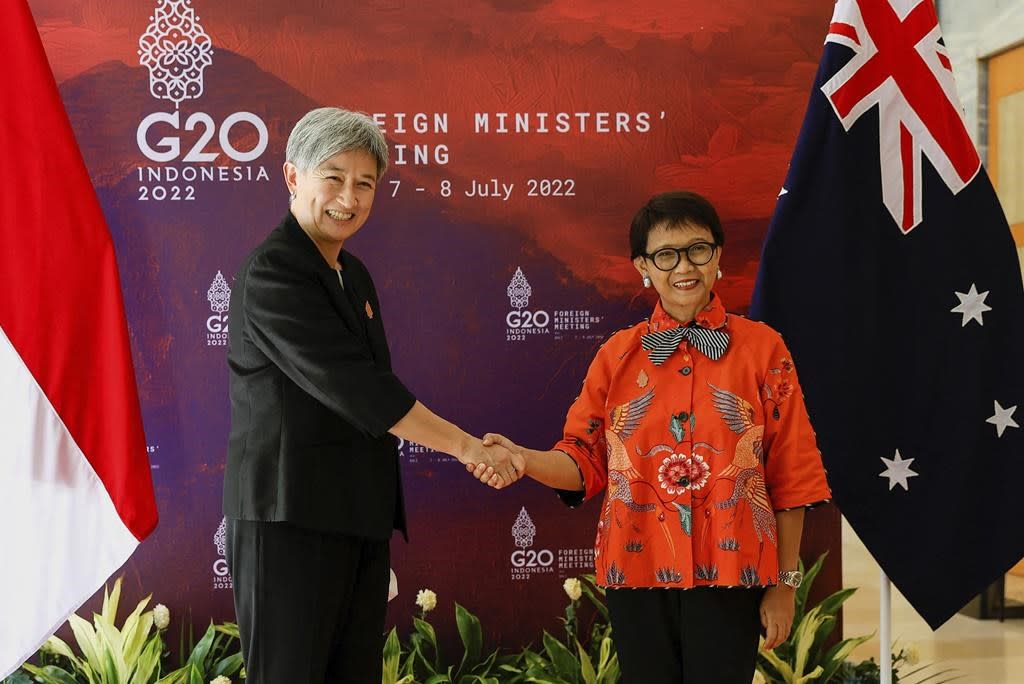
Top diplomats from the world's richest and largest developing nations are confronting multiple crises as they open talks beset by sharp divisions over Russia's invasion of Ukraine and its impacts on food and energy security, along with climate change, endemic poverty and the lingering effects of the coronavirus pandemic.Foreign ministers from the Group of 20 countries begin meeting on the Indonesian resort island of Bali on Friday with little prospect for achieving the kind of lofty consensuses on weighty issues that have been a hallmark of past gatherings. And, as they attempt to prepare for a G-20 leaders' summit to be held at the same venue in November, they got a last-minute jolt with Thursday's resignation of British Prime Minister Boris Johnsonone of the champions of the West's hard line on Russia.While Johnson's departure is unlikely to dent U.S. and European efforts to promote a tough line on Russia among other G-20 members, it will almost certainly be seen as a sign of weakness by China and Russia, both of which will be represented by their foreign ministers in Bali, Wang Yi and Sergey Lavrov.
They will face off against U.S. Secretary of State Antony Blinken and his French and German counterparts who had expected to be joined by British Foreign Secretary Liz Truss. She instead left early to return to London to deal with the fallout from Johnson's resignation.
Yet, with East and West so divided and North-South differences emerging, the potential for a G-20 agreement on a way forward appears negligible. U.S. officials have said it is less important for the G-20 as a group to present a unified stance than it is for smaller blocs of countries and individual nations to speak out and take action. In the past, however, the G-20 has produced joint communiques on key issues like terrorism, transnational crime, climate and economic matters that have been laudeed as important international policy blueprints.Thus, competition for such support among the group has been fierce. Wang and Lavrov each stopped in various Asian capitals on their way to Bali, drumming up support for various Chinese and Russian positions and fortifying their ties among non-allied nations in the region ahead of the G-20. Blinken, the French, Germans and Brits, meanwhile, all arrived in Bali from two Western-oriented and organized gatherings in Europe last week: the G-7 and NATO summits at which there was little sign of rancor or debate and unity on Ukraine was assured.



























0 Comment