
02 Mar , 2026 By : Debdeep Gupta
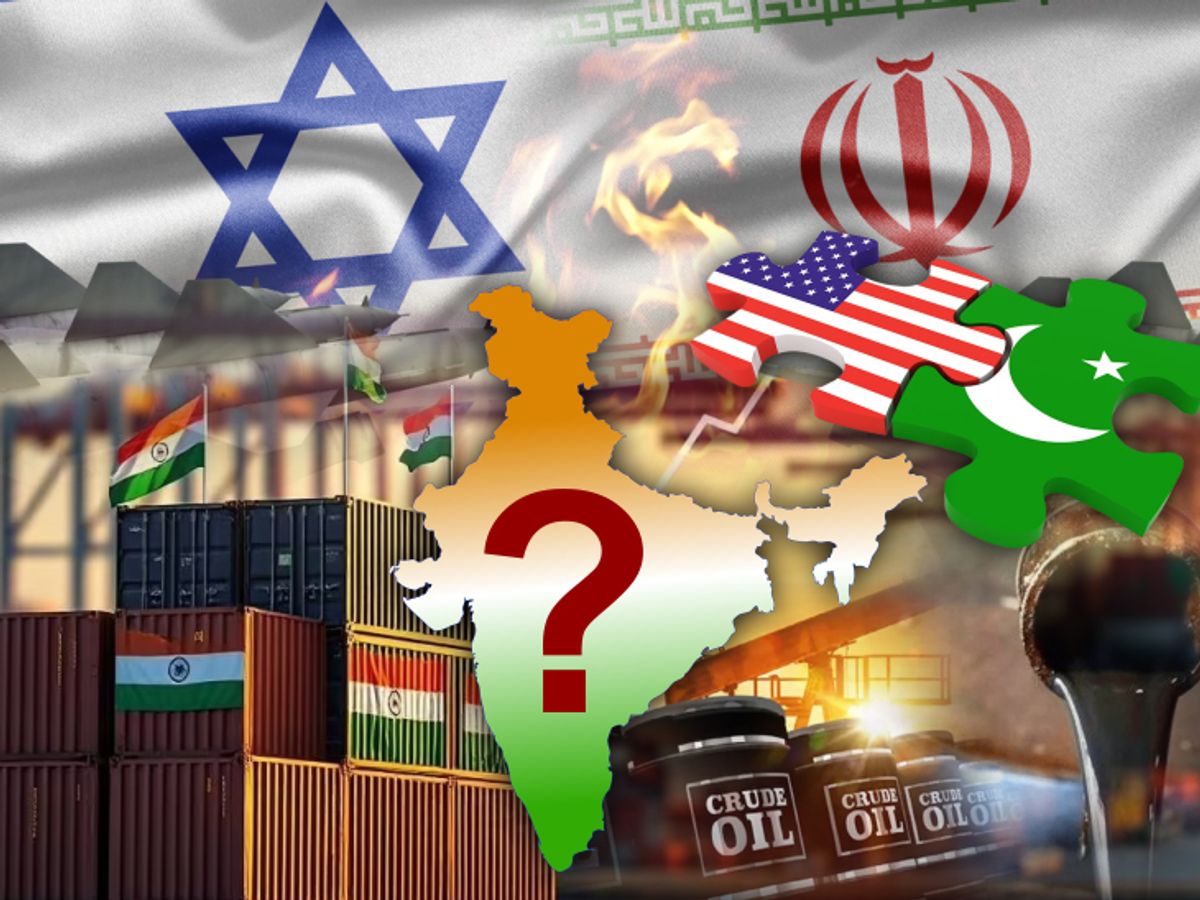
A Strait of Hormuz disruption could push up crude, widen India’s trade deficit, stoke inflation, and test markets even as escalating conflict may offer tactical entry points
Highlights
* India has a sizeable trade exposure to Middle East
* Biggest global worry is the possible disruption/blockade of the Strait of Hormuz
* Global crude oil surplus situation can shift to a deficit
* Trade deficit can jump by 30% if the Strait of Hormuz is closed for long
* Oil downstream sectors to get impacted
* Peak of conflict generally provides an opportunity to add equity exposure
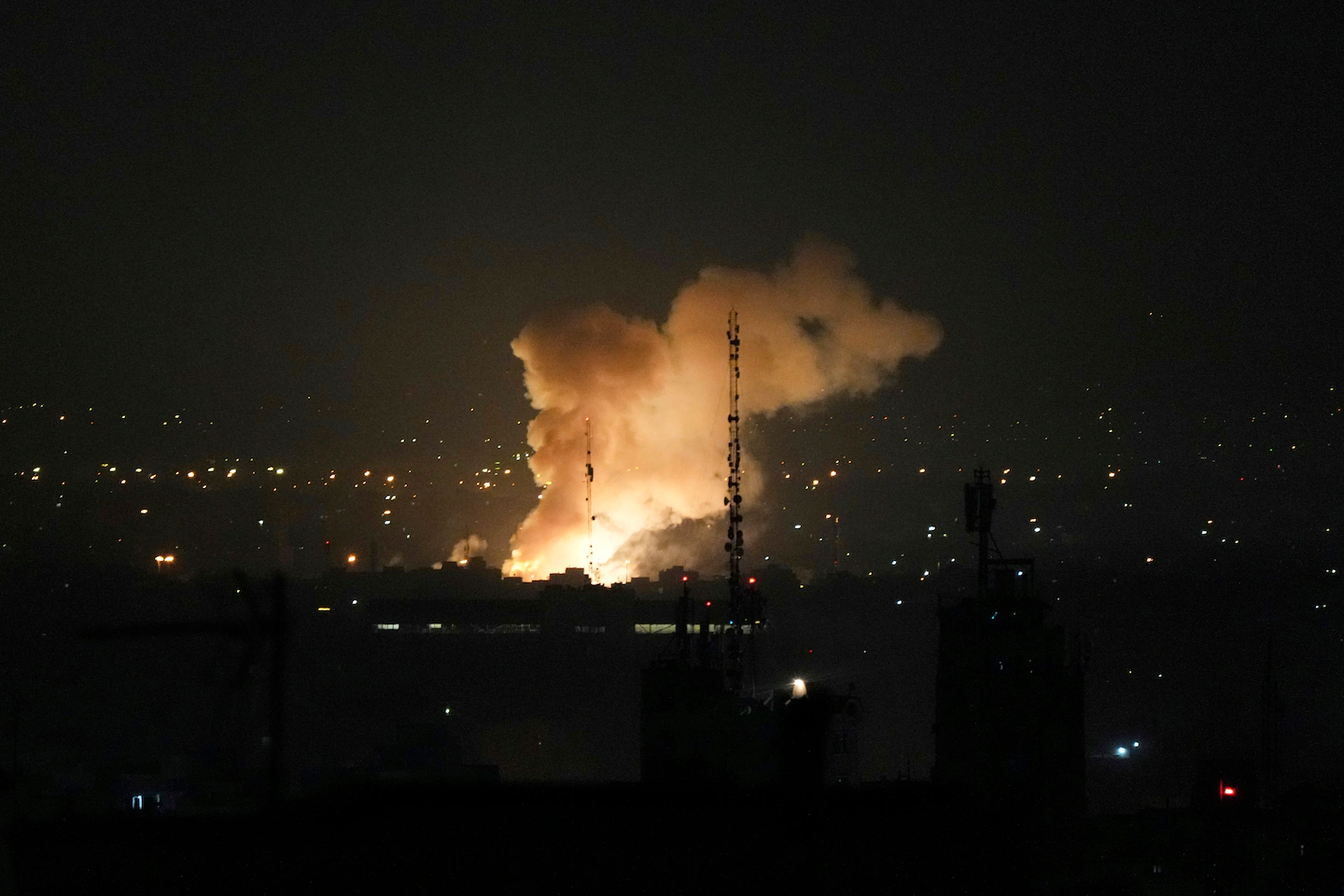
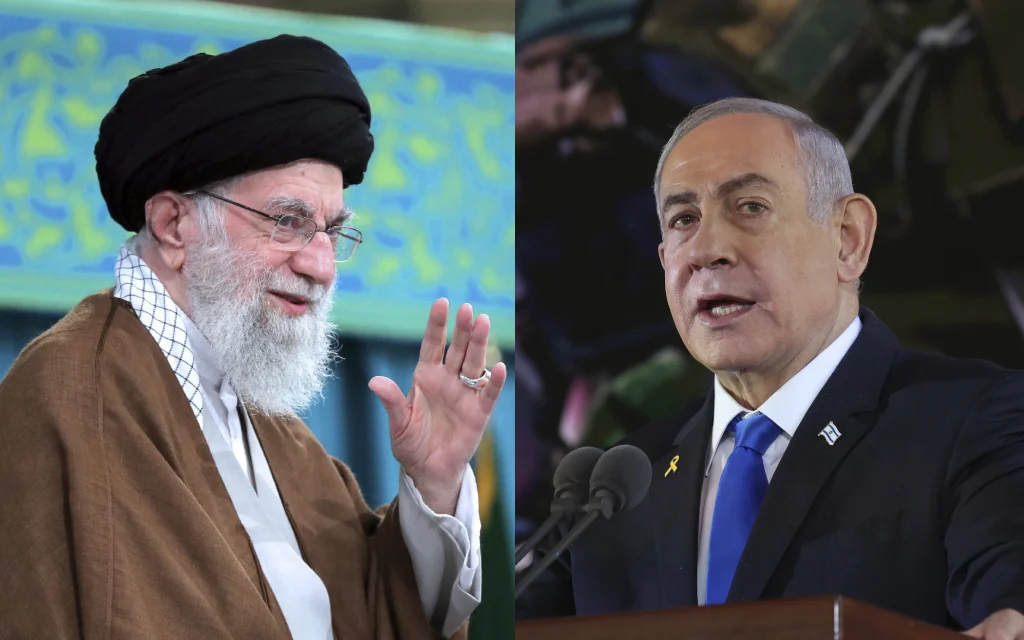
* The current Iran conflict could have wider ramifications than the other regional strifes in the recent past. The elimination of the top Iranian leadership by the US-Israel alliance and the retaliatory attacks on the Middle East nations supporting the US have put the entire region at risk.
As India has a sizeable diaspora in the Middle East (~9 million), accounting for 38 percent of India’s remittances, this region has a significant importance. On the trade front, about 15 percent of Indian exports go to the Middle East and 21 percent of its total imports are from that region, wherein UAE, Iraq, and Saudi Arabia comprise bulk of the regional exports and imports for India.
What if Strait of Hormuz gets blocked?
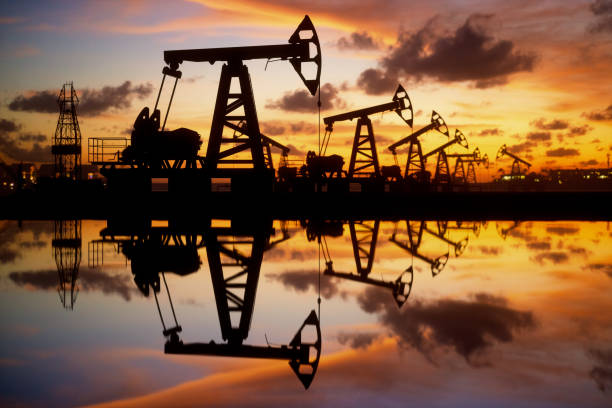
The biggest worry point for the global economy and markets stems from the possible disruption/blockade of the Strait of Hormuz, which is the primary sea passage for roughly 20 million barrels of oil daily (including petroleum products), representing about 20 percent of the global oil consumption.
It is a narrow waterway, connecting the Persian Gulf to the Gulf of Oman and the Arabian Sea, through which a sizeable global share of fertilisers, methanol, LNG gets routed.
As we write, trade disruption is all over the place. Japanese shipping giants have suspended operations, LNG supplies are halted, and war risk underwriters have reportedly started cancelling policies for shippers.
Coming back to the current crude oil shipments, potentially 20 million bpd is at risk though there is some offset available through alternate routes. Saudi Aramco operates the 5 million bpd East-West crude oil pipeline, which runs from the Abqaiq oil processing centre near the Persian Gulf to the Yanbu port on the Red Sea. The UAE also operates a pipeline that bypasses the Strait of Hormuz having a capacity of 1.8 million bpd. However, only ~2.5 million bpd spare capacity is available. So net effective disruption could be close to 17.5 million bpd.
On the other hand, as per US EIA, current crude oil and products surplus is close to 3.3 million bpd which till recently had kept the oil prices subdued. While OPEC has taken a decision to increase supplies from April by 206 bpd, in the case of extreme disruption, crude oil surplus situation can shift to that of a deficit of ~14 million bpd approximately.
Coming to India, as per Dec ’25 data, crude oil share from the Middle East was 58 percent which would have increased further as supplies from Russia have significantly reduced.
This means, for India, disruption in the Middle East can translate into increased supplies from the US, Latin America and may also revive Russian supplies. It is estimated that about 45 percent of crude supplied to India comes through the Strait of Hormuz.
Last month, crude oil (Brent) moved up by about $8 per barrel given the elevated risk for the war. However, escalating regional tensions and the potential crude oil deficit can easily take prices above $90 per barrel.
We assume that every $10-per-barrel move in crude oil can impact retail inflation by 50 basis points (bps) and GDP growth by 20 bps. As per our estimate, trade deficit can jump by 30 percent if the Strait of Hormuz remains blocked longer (~3 months). Understandably it would severely impact the fiscal manoeuvrability, and the RBI may turn hawkish. Another inflationary headwind ahead of India is the prospect of a weaker monsoon due to the build-up of El Nino conditions.
Adverse impact on oil downstream sectors
Sectors such as chemicals, paints, pharma, APIs, airlines, tyres, agrochemicals, and oil marketing companies (OMCs) which depend on crude oil derivatives as a raw materials or feedstock would be negatively impacted.
Some of the companies having operations in the Middle-East, such as L&T, Adani Ports, and select FMCG & chemical companies, could also get impacted.
Upstream oil companies can benefit provided the government allows them to take advantage of higher crude prices. The defence sector would be supported by positive sentiments as the case of global defence spending continues to strengthen. Further, higher gold prices are positive for jewellery companies but jewellery companies having retail presence in the Middle East may see disruption.
Global impact – inflationary impulse
Globally, the impact would be largely seen through the inflationary in energy prices. Talking about the US, goods inflation had largely been contained except for the impact of tariffs. But a prolonged Middle East conflict can add to the headline inflation and complicate the task of new Fed chair Kevin Warsh in times to come.
As far as China is concerned, which gets more than 40 percent of the crude oil imports from the Middle East, its oil stockpiles leave it well positioned to weather a multi-month disruption. China had 1.2 billion barrels of oil in storage onshore, which would cover 104 days of net crude oil imports at the 2025 level. Further, it had sharply increased imports from Russia recently.
For India, commercial oil stocks and reserves may provide a cushion of roughly 60 days.
War impacts are generally short term
On an average, major armed conflicts have short-term impact on the risky asset classes. In the medium term, equity markets generally tend to recover, and the peak of conflict provides an opportunity to increase exposure to equities. Hence, investors who missed out the rebound in markets after the US-India trade deal can get an opportunity to chip in.




























0 Comment