
27 Mar , 2026 By : Debdeep Gupta

Oil edged lower and US equity-index futures advanced after President Donald Trump again delayed his deadline for Iran to reach a deal, improving sentiment following a global equity selloff.
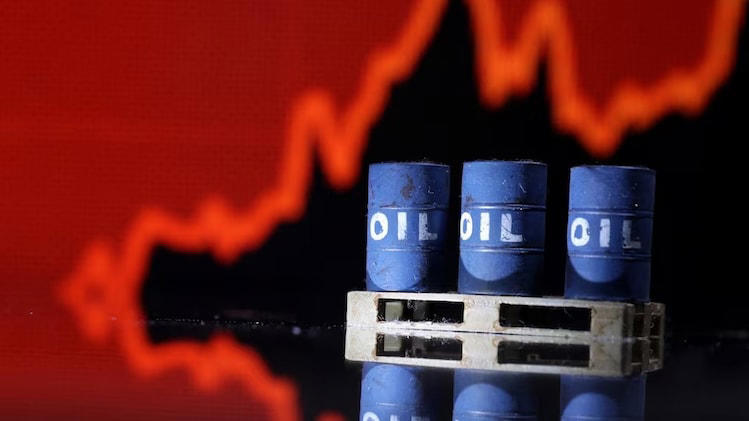
Brent crude oil slipped 1.9% to around $106 a barrel following Trump’s 10-day extension to the deadline for Iran to strike a deal with the US or face more attacks. Even so, oil is up more than 70% this year.
Trump’s remarks, which came after the S&P 500 and the Nasdaq 100 indexes had closed for trading, lifted futures contracts for the gauges by 0.5%. The Wall Street benchmarks hit their lowest levels since September and a global equity index posted its first decline this week on Thursday as early optimism over a Middle East ceasefire faded. Asian shares opened lower with losses in South Korea and Japan.
The moves extend a month of war-driven volatility, underscoring how geopolitical tensions continue to buffet markets, leaving investors uncertain whether hostilities are set to ease or escalate. Traders are closely watching the Strait of Hormuz, a key waterway for Middle East oil flows that remains effectively shut, driving crude oil higher and adding to inflation pressures.
“By extending the deadline, it effectively kicks the can down the road, pushing back any concrete resolution regarding the reopening of the Strait of Hormuz,” Tony Sycamore, a market analyst at IG Australia, wrote in a note. “This, in turn, simply extends the uncertainty weighing on markets and the broader global economy.”
Trump again pushed back his deadline for Iran, saying talks with the country were going “very well.” Trump said he would extend his pledge to refrain from attacks on Iranian energy sites, offering a brief calm to global energy markets jolted by the conflict.
Earlier, Trump threatened Iran with intensified military action after Tehran rejected Washington’s push for a peace deal, with the two sides far apart in efforts to end the war. Until Iran agrees to stop the conflict, the US will “keep blowing them away,” the American president said.
Iran responded to a ceasefire proposal through intermediaries overnight, the semi-official Tasnim news agency reported, and is now awaiting a reply. Tehran has a string of conditions for ending the conflict, one of which is a guarantee that the US and Israel won’t resume their attacks.
In other corners of the market, a Bloomberg gauge of the dollar edged 0.1% lower on Friday, while gold and silver both advanced. The yen held its losses from the previous session, trading around 159.65 a dollar. Bitcoin edged lower, trading below $69,000.
Higher oil prices have stoked fears about inflation, deepening a decline in Treasuries, which also dropped amid a lackluster US sale of notes. Yields on the US 10-year rose eight basis points to 4.41% on Thursday, while the policy-sensitive two-year yield increased 10 basis points to 3.99%. Australian yields rose early Friday.
Treasury Secretary Scott Bessent said a US insurance program meant to boost shipping through the Strait will begin soon, a move that may help revive flows of much of the world’s oil and gas supplies.
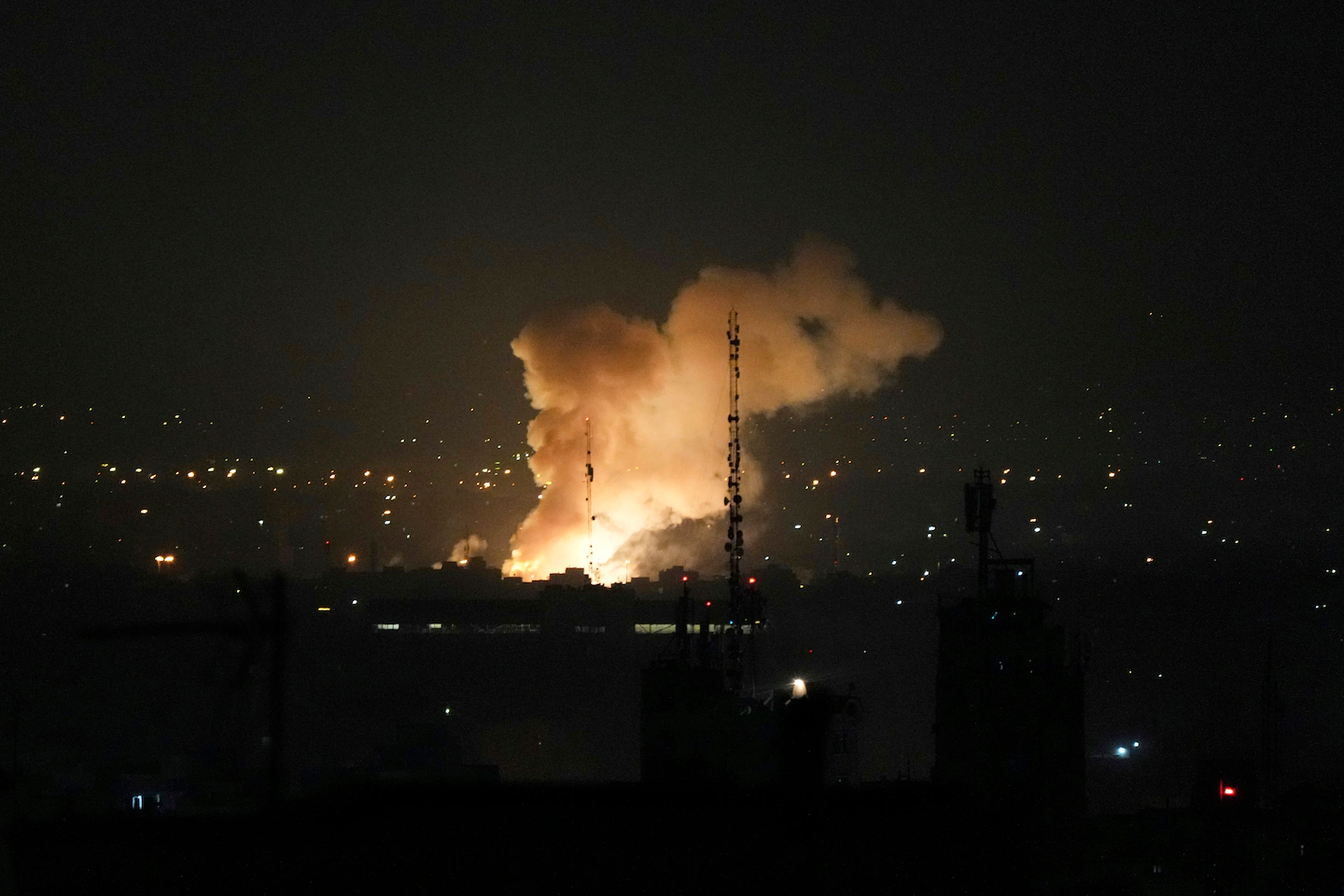
The conflicting messages about the Middle East have kept traders cautious even as energy prices have surged since the US and Israel began a bombing campaign in Iran almost a month ago.
Brent, the global crude benchmark is on pace for a monthly gain of almost 50% as the conflict engulfs the energy-rich Middle East and sends shockwaves through the global economy. The near-total closure of Hormuz has meant millions of barrels of lost daily oil output, while supercharging product prices from diesel to jet fuel.
“The war in Iran and the resulting surge in oil prices continue to dampen risk appetite,” said Adam Turnquist at LPL Financial. “Any sustainable market recovery will require meaningful progress toward a peace agreement and a reopening of the Strait of Hormuz.”
























0 Comment