
13 Mar , 2026 By : Debdeep Gupta
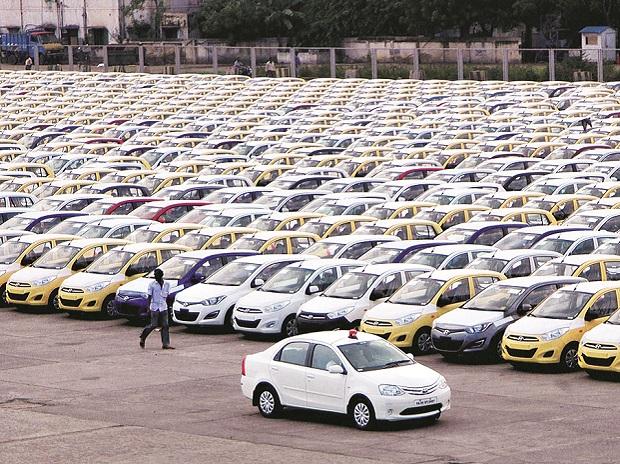
Auto stocks remained under pressure for a second straight session on Friday morning, with the Nifty Auto index falling more than 2 percent as concerns around rising crude oil prices, potential gas shortages and supply-chain disruptions continued to weigh on the sector.
At 10:20 am, the Nifty Auto index was down 2.2 percent. The broader market was also weak, with the Sensex falling over 900 points to just above 75,100, while the Nifty declined over 300 points or 1.3 percent to 23,325. Market breadth remained negative with 894 shares declining against 2,530 advances.
Brokerage JPMorgan said geopolitical tensions and rising commodity prices are creating dual risks for the Indian auto sector -- cost inflation as well as potential production disruptions. Despite the near-term risks, the brokerage said it prefers Maruti Suzuki, Mahindra & Mahindra and Hyundai Motor India because of relatively stronger growth visibility and valuation support.
Selling was broad-based across major automobile and auto-component stocks in early trade. Ashok Leyland shares fell over 4 percent. Auto-component makers Bharat Forge and Tube Investments declined about 4 percent and 3 percent, respectively.
Among passenger vehicle manufacturers, Tata Motors Passenger Vehicles stock fell over 3.7 percent. Maruti Suzuki declined over 2.1 percent, while Mahindra & Mahindra was down over 1 percent. Two-wheeler stocks were also under pressure, with Hero MotoCorp trading about 3.4 percent lower, Bajaj Auto falling about 2.4 percent, and TVS Motor slipping around 1.3 percent.
The weakness extends Thursday’s sharp sell-off in the sector, when automobile stocks tumbled after crude oil prices surged back toward $100 per barrel amid escalating tensions in the Middle East and concerns over shipping disruptions near the Strait of Hormuz.
According to JPMorgan, shortages of liquefied natural gas (LNG) and liquefied petroleum gas (LPG) could potentially lead to production shutdowns or disruptions for automobile manufacturers and component suppliers. These fuels are widely used in heat treatment processes across metal casting and forging operations in the auto supply chain.
The brokerage also warned that potential disruptions to compressed natural gas (CNG) availability at fuel pumps could influence consumer preferences, particularly in segments where CNG-powered vehicles have gained traction. Higher fuel prices and rising commodity costs could also weigh on profitability for automobile companies, while global shipping disruptions could impact export volumes, it added.
The sector has already been lagging the broader market this year. The Nifty Auto index has fallen about 12 percent so far in 2026, compared with a roughly 9.5 percent decline in the Nifty benchmark index, according to the brokerage. Even so, JPMorgan said that automobile retail volumes in March remain strong so far, although weakening consumer sentiment could threaten the demand recovery seen after recent GST cuts.































0 Comment