
25 Mar , 2026 By : Debdeep Gupta
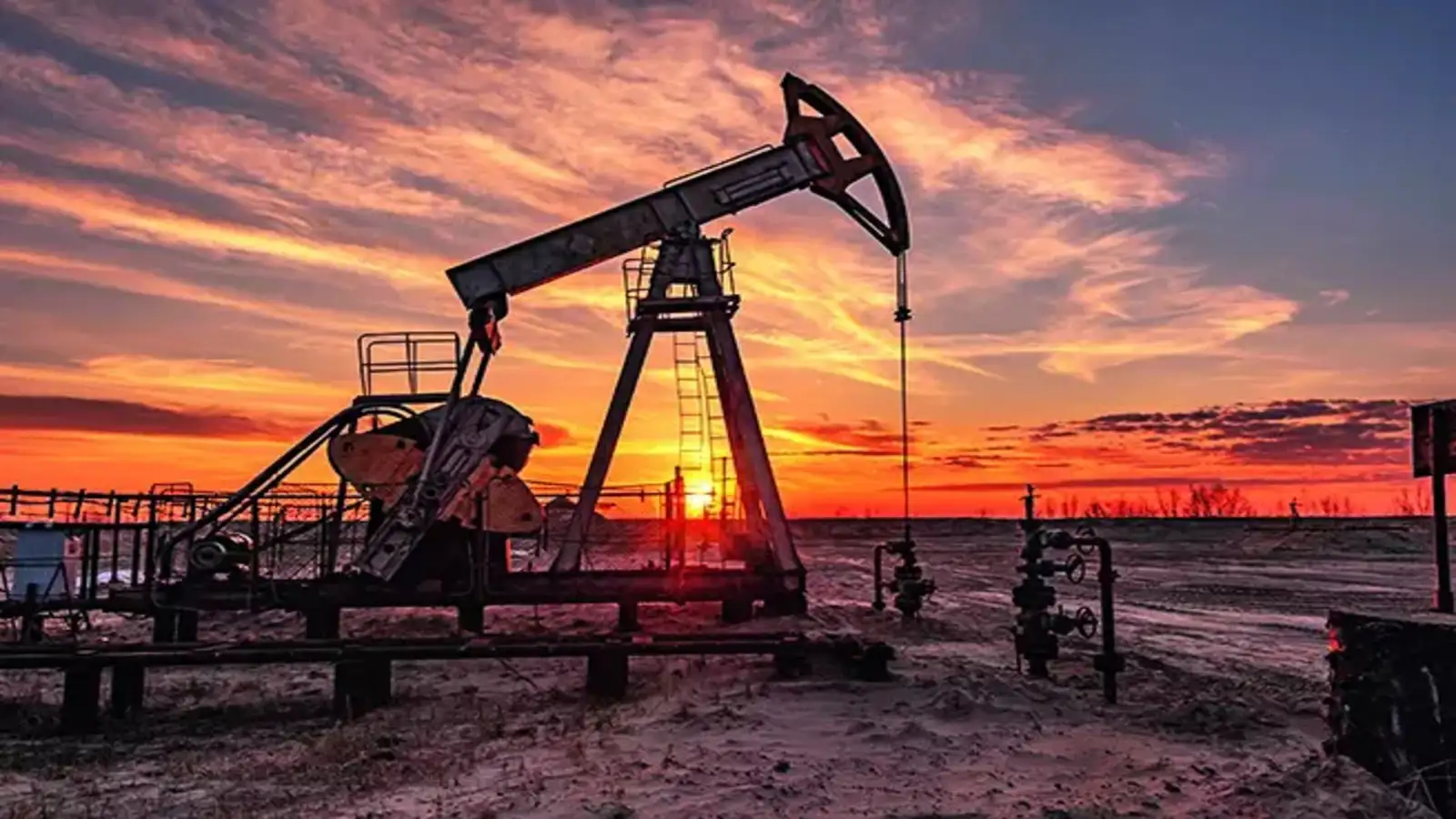
Oil declined and equities advanced as optimism strengthened around Washington’s diplomatic push to resolve the near month-long Middle East conflict. The dollar edged lower.
Brent crude slid as much as 6.6% to $97.57 a barrel, while a gauge of Asian equities climbed 1.6% on expectations that a de-escalation in the Iran conflict would ease inflation pressures and reduce the need for monetary tightening. The dollar edged down 0.3%, while yields on 10-year Treasuries dropped two basis points to 4.34%.
Equity-index futures for the S&P 500 advanced 0.9% helped by media reports of the diplomatic efforts. The New York Times said the US had sent Iran a 15-point plan and Israel’s Channel 12 reported that Washington was seeking a one-month ceasefire.
Attention remained firmly on the Strait of Hormuz, a waterway that’s crucial for the free movement of oil from the Middle East. Even after Wednesday’s drop, Brent is still up 61% for the year.
“Crude remains the tip of the spear in this headline-driven market,” said Rebecca Babin, a senior energy trader at CIBC Private Wealth Group. “Reports that a potential 30-day ceasefire may be in the works are easing worst-case pricing scenarios and concerns around demand destruction. Signs there may be an off-ramp are reducing some of the risk premium in the market.”
Financial markets have whipsawed since the conflict erupted in late February, with headline-driven swings leaving traders “stopped out” of positions. Sharp volatility in crude is further clouding risk assessment, as surging commodities heighten inflation concerns and raise the prospect that policymakers may keep borrowing costs elevated or even tighten further.
The US sees the “possibility of diplomacy” and President Donald Trump signaled that Iran had offered a “present” as a show of good faith in negotiations, noting it was related to Strait of Hormuz flows. The US and regional mediators are discussing the possibility of holding high-level peace talks as soon as Thursday, but await a response from Tehran, Axios reported.
Trump also said Secretary of State Marco Rubio and Vice President JD Vance alongside special envoys are involved in negotiations.
In other corners of the market, gold rose for a second day to trade around $4,570 an ounce and Bitcoin advanced to about $71,000.
“Traders will be keeping one eye firmly on the news wires, with any fresh developments out of the Middle East likely to dictate direction once again,” said Nick Twidale, chief market analyst at AT Global Markets in Sydney.
Even as reports suggested a possible de-escalation, the conflict continued to rage on. Kuwaiti authorities said on Wednesday they were dealing with a fire after drones targeted a fuel tank at the airport, according to the country’s aviation regulator. Israel said it had a wave of strikes at targets across Tehran.
Also, the Trump administration ordered the 82nd Airborne Division to deploy about 2,000 soldiers to the region, according to a person familiar with the matter, as the White House weighed options to ease Iran’s hold on the Strait of Hormuz, the vital waterway that’s a focus of the conflict.
Meanwhile, Iran started charging transit fees on some commercial vessels passing the Strait of Hormuz, people familiar with the matter have said, the latest sign of its control over the most important maritime energy route. Yet Tehran said non-hostile foreign ships are allowed to cross the waterway on its terms.
“It all comes down to the re-opening of the Strait of Hormuz,” said Matt Maley at Miller Tabak. “So, if we hear that ‘good progress is being made’ in the negotiations at the end of this week, it won’t be enough, if the Strait remains very restricted.”
Aside from the geopolitical risks, Maley also noted that the issues facing the private-credit market are not receding, so brushing these problems aside “is not a good idea.”
Two of the biggest names in private credit, Ares Management Corp. and Apollo Global Management Inc., blocked investors from getting even half of the money they wanted out of their funds, a sign of mounting strain in the $1.8 trillion market.
Any optimism about the war in the Middle East ending without the US first making an attempt to secure and control the Strait of Hormuz, or without first getting more leverage in talks with Iran, still seems misplaced, according to Thierry Wizman at Macquarie Group.
“The longer oil prices stay high, the longer central banks will feel obligated to sound as if they will tighten policy,” he said.


























0 Comment