
10 Nov , 2026 By : Shambhavi Mishra
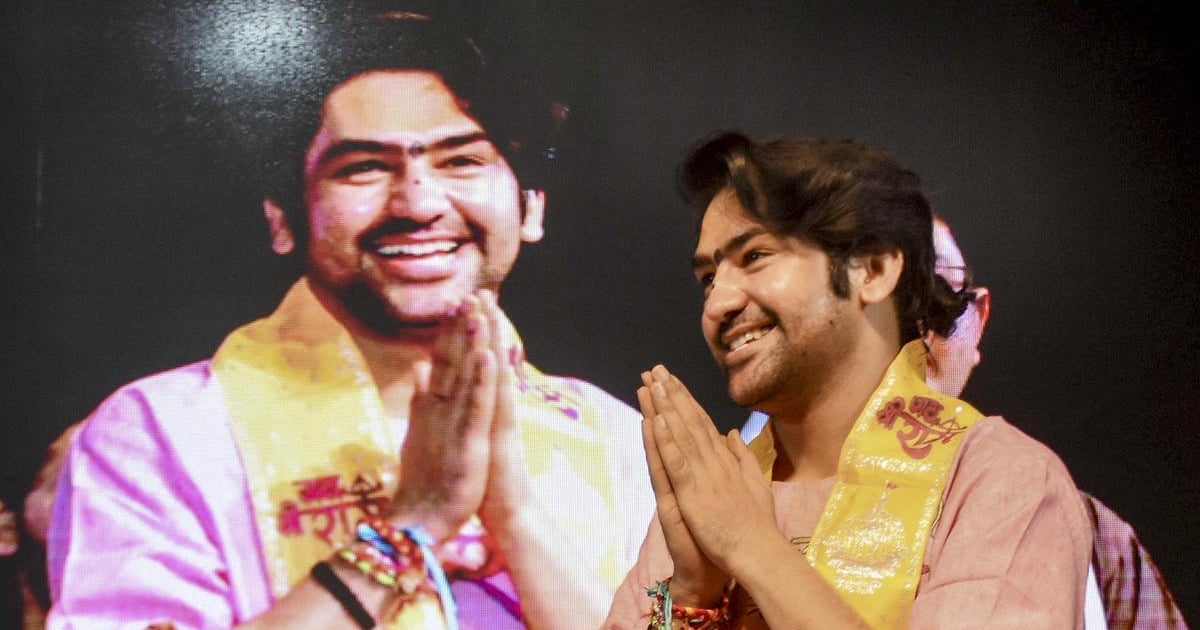
? Quick Take: The BJP's calculated silence on storyteller Dhirendra Shastri's comments signals an emerging push to center Lord Krishna in upcoming Uttar Pradesh elections. For capital markets and businesses invested in regional stability, political realignments of this scale dictate localized policy momentum and consumer sentiment.
Uttar Pradesh is once again turning religious narratives into electoral leverage. Recent commentary from young religious storyteller Dhirendra Shastri regarding Lord Krishna has triggered a political storm, with the ruling BJP maintaining a striking silence. As parties ready their battlegrounds for the high-stakes U.P. polls, this strategic quietness is hardly accidental—it is a calculated maneuver to reframe cultural fault lines and test the opposition's ideological footing.
When high-profile religious figures stir debates touching upon revered deities, the political machinery usually scrambles to react. Instead, the BJP high command has chosen a path of deliberate non-interference regarding Shastri's controversial remarks. This quiet posture allows the narrative to breathe on its own, subtly steering public discourse toward cultural identity without drawing direct heat from state leadership.
Political capital in India's most populous state is deeply tied to religious symbolism. By letting the controversy linger, the ruling camp creates room to elevate the Krishna Janmabhoomi discourse. It places regional rivals—particularly the Samajwadi Party—in a defensive corner, forcing them to balance their traditional vote banks with their patron deity identity.
For the Samajwadi Party, Lord Krishna has long served as a cultural and political anchor, especially within the Yadav demographic. Shifting the electoral debate to the Krishna Janmabhoomi issue directly challenges this legacy. It tests whether opposition leaders can successfully defend their turf without alienating progressive urban voters or appearing dismissive of hardline religious sentiments.
Markets and local enterprises watch these ideological shifts closely because state elections dictate infrastructural spending, land acquisition policies, and administrative stability. When political parties pivot from economic governance to intense identity messaging, policy execution timelines on the ground often experience shifts. Investors tracking North Indian retail demand and regional real estate must factor in these socio-political undercurrents.
Source Attribution: Originally reported by hindu-national (https://www.thehindu.com/news/national/uttar-pradesh/new-analysis-is-the-dhirendra-shastri-controversy-a-springboard-to-make-lord-krishna-an-electoral-symbol-ahead-of-up-polls/article71677508.ece).
Disclaimer: The financial, market, and corporate developments published above are reported for informational and educational purposes only. GrowMudra does not provide investment advice or stock recommendations. Readers are strongly advised to consult a SEBI-registered financial advisor before making investment decisions.











0 Comment