
13 Nov , 2026 By : Shambhavi Mishra

? Quick Take: Prime Minister Narendra Modi has declared the armed Naxal insurgency largely neutralized, shifting the state's security focus toward ideological sympathizers operating within mainstream political systems. For long-term investors, political stability and internal security form the invisible bedrock of India's capital expenditure cycle.
The physical footprint of Left-Wing Extremism in India's mineral-rich red corridor is shrinking rapidly. Yet, New Delhi is shifting its strategic lens toward a subtler threat. Prime Minister Narendra Modi's sharp warning regarding ideological sympathizers embedded within political machinery signals a paradigm shift in how the state views internal security risks.
For decades, armed insurgency in districts spanning Chhattisgarh, Jharkhand, and Odisha created severe bottlenecks for infrastructure development, mining operations, and large-scale industrial investments. The dismantling of armed rebel networks removes a massive operational risk premium for public sector undertakings and private capital looking at remote resource hubs.
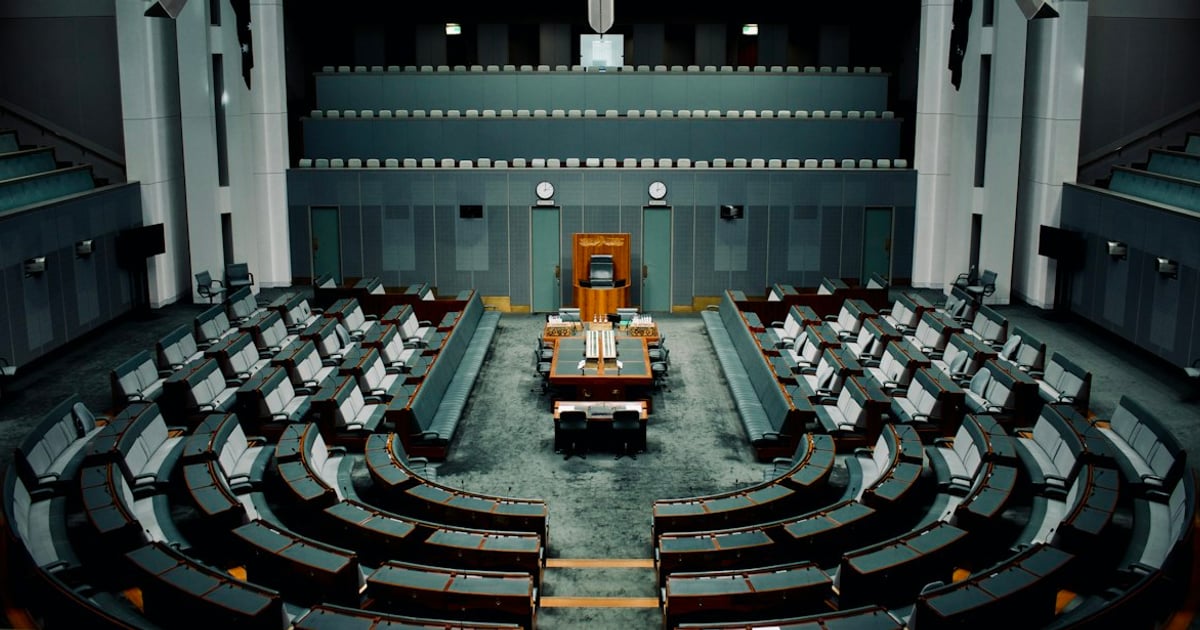
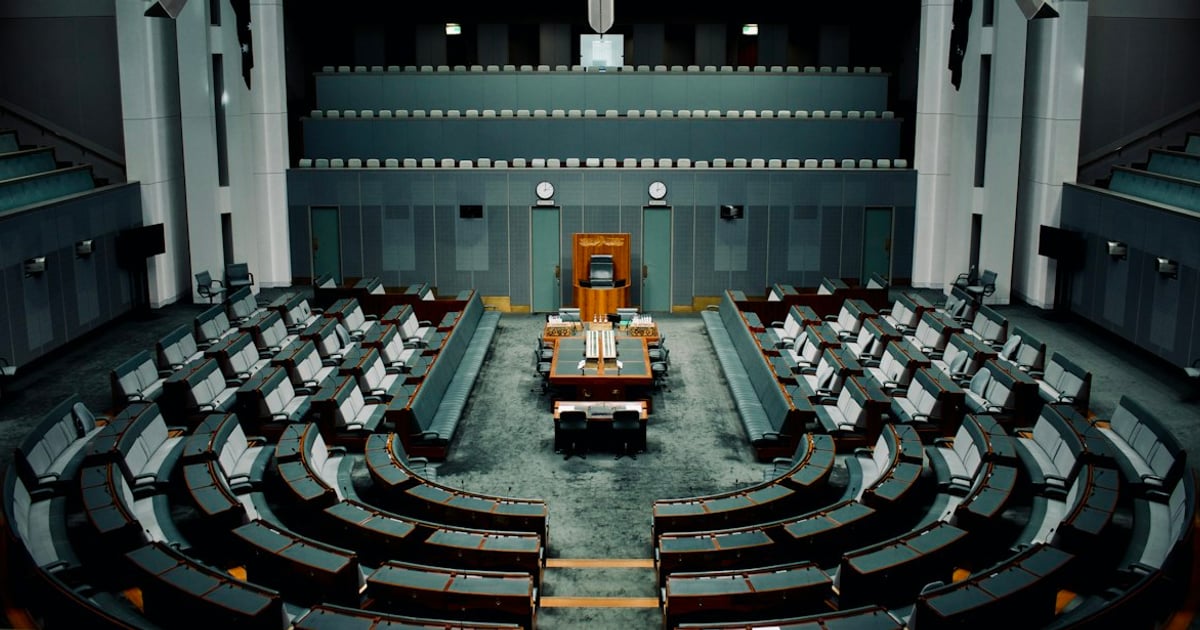
Security planners now argue that the battle has migrated from dense forests to institutional corridors. When ideological resistance finds voice inside legislative bodies or policy-framing circles, project delays can stretch from months to years, impacting capital outlays and corporate balance sheets.
Markets detest uncertainty, and violent internal conflicts are the ultimate market disruptors. As the state reclaims territorial dominance, logistics networks improve, freight corridors stabilize, and manufacturing units face fewer disruptions.
However, the warning about political infiltration reminds investors that policy paralysis can sometimes be engineered from within. Capital allocation decisions in heavy industries, mining, and power generation depend entirely on predictable state backing and uninterrupted execution runways.
Source Attribution: Originally reported by gnews-politics (https://news.google.com/rss/articles/CBMi9AFBVV95cUxNN0gxMnJjZVBuU0FxUEt2MmpRU3E3NjFUbTRiTGhOcVRVMjl3UnZWejNDanRHdzZoN0ZqYV9LMUZ6dTJTdndIU3RGY0RueTB5UWgwLVN1R3BsMG5aUV81WnFxSnc1T2FpY3ZibElNSUVKdHpLaUU3dWFKQU9IN05Ed2x3ZEhfZHJQemxWUkNYOTdPWm95VWpJRjN2T1JHRjlwWlBablRmdTFXVGJtanVSTWZBTzdtbWs5XzFHa3l2Zm0yM2huZVNRWW80dmVFVjZieXh5YkpsSUt1QS1iMVdPSFNXa0wzN2RuRERrcVVxR1YxMkRp0gH6AUFVX3lxTFBBTlBNdFVGZEpRZXRJdU4tSzRKU3FXUThKQlRHV2tlbmJoaHFqTm5SZUllbTg3NVE2VDlEeUR0Q3R6b2lTdnR0STl2VDhEZVVoaWsyWTlaM3VvZDJ3bm5lMkNLdzhGZHBPcDMzb1N6QVhxVjlRb3ZXcTZ3YzkzUFA1YzQ3UEtfUDZSNXB2R0ZQWHAzMHJtbW1QWS15VHdaZkNkZDg1LU5kZlRldUhjQ3JLa1oxdG9BNUcxLVBBQ01FS21LYjZqR1NsTDlUM0FseGFWNC12czZRWU56VHptUUo2dEFHUmJpQWFJOGNLMHdHaTZEUzI0NXVzeEE?oc=5).
Disclaimer: The financial, market, and corporate developments published above are reported for informational and educational purposes only. GrowMudra does not provide investment advice or stock recommendations. Readers are strongly advised to consult a SEBI-registered financial advisor before making investment decisions.



















0 Comment