
30 Oct , 2026 By : Shambhavi Mishra

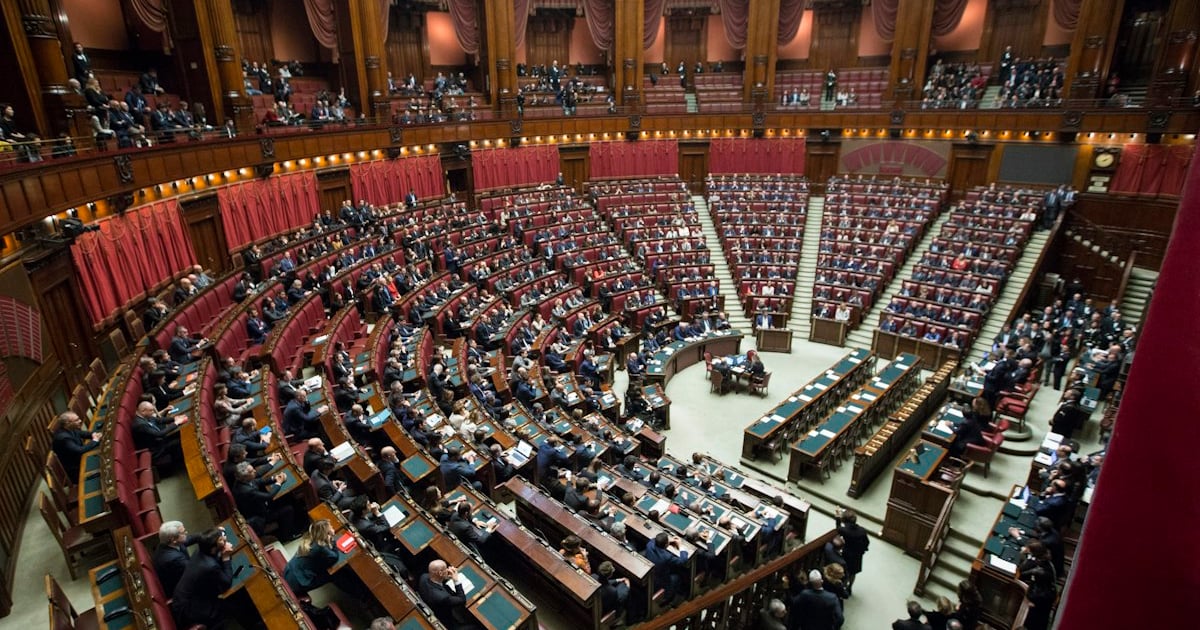
In an era defined by rapid sociopolitical shifts and digital mobilization, the age-old debate surrounding how citizens voice their grievances has returned to the forefront. Recent discourse highlighting that 'Anarchy Is Not Dissent' underscores a fundamental democratic truth: while constitutional dissent is the bedrock of a progressive society, unbridled chaos and the disruption of public order ultimately harm the very economic and social fabric citizens seek to protect. For retail investors and market stakeholders, understanding this delicate equilibrium between legitimate democratic expression and systemic stability is crucial for evaluating long-term macroeconomic resilience.
India's democratic framework has historically championed the right to freedom of speech and expression, embedding peaceful protest as a cornerstone of its national identity. From the freedom struggle led by Mahatma Gandhi to modern-day advocacy campaigns, peaceful demonstration has proven to be an effective catalyst for policy reform. However, contemporary movements occasionally blur the line between structured civil disobedience and destructive anarchy. When public property is damaged, supply chains are disrupted, and commerce comes to a standstill, the broader economy bears the brunt of the instability.
Economic development relies heavily on predictability, rule of law, and investor confidence. Whenever social friction escalates into widespread disruption, foreign and domestic institutional investors closely monitor the situation for potential spillover effects. Historically, prolonged civil unrest can depress consumer sentiment, deter capital inflows, and strain state resources that would otherwise be allocated toward infrastructure development and wealth-creation initiatives. Consequently, safeguarding peaceful protest while firmly rejecting anarchy is paramount not just for civic harmony, but for sustained financial growth.
While direct financial figures tied to individual protests vary, macroeconomic assessments consistently highlight the hidden costs of civil disruption. According to historical estimates by industry chambers, large-scale shutdowns and violent unrest can cost the Indian economy thousands of crores in lost productivity, damaged public infrastructure, and deferred commercial transactions. Retail and MSME sectors, which form the backbone of urban employment, are often the hardest hit during sudden disruptions, experiencing immediate drops in daily footfall and revenue generation.
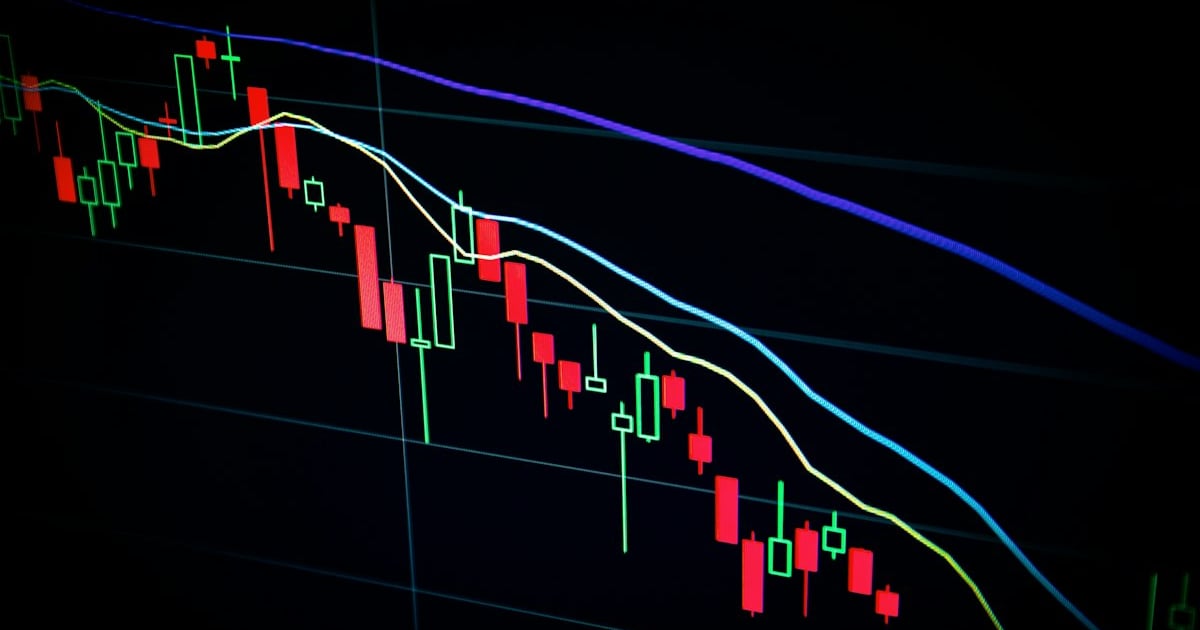
Furthermore, regulatory bodies and financial markets react sensitively to prolonged periods of uncertainty. Volatility indices frequently spike when domestic stability appears threatened, impacting equity valuations and currency stability. Financial analysts emphasize that maintaining a peaceful, orderly environment for dissent ensures that capital markets remain insulated from unnecessary panic, allowing businesses to operate without facing supply chain bottlenecks or localized operational shutdowns.
The distinction between constructive dissent and destructive anarchy directly impacts various sectors within the Indian economy. Retail, hospitality, and transport sectors face immediate headwinds whenever public demonstrations turn disruptive, leading to localized losses. Conversely, sectors focused on digital infrastructure and remote services demonstrate greater resilience, highlighting a broader structural shift in how modern economic activity adapts to civil movements.
For corporate executives and wealth managers, assessing sociopolitical stability is a standard part of risk management. Markets reward predictability. When citizens and civic leaders champion peaceful engagement over disruptive chaos, it signals a mature democracy capable of resolving conflicts through dialogue and institutional frameworks rather than economic self-harm. This maturity enhances India's global investment appeal, reinforcing its position as a stable destination for long-term foreign capital.
As India continues its trajectory toward becoming a dominant global economic powerhouse, the mechanisms of public discourse will undoubtedly evolve. Key milestones to watch include judicial interventions on public protests, policy frameworks governing demonstrations, and the increasing role of digital platforms in shaping public opinion. Ensuring that future advocacy remains peaceful will be essential in maintaining the confidence of both domestic retail investors and international institutional stakeholders.
Looking ahead, market watchers should keep a close eye on consumer sentiment indices and retail activity reports, which serve as real-time indicators of economic normalcy. As long as civic grievances are channeled through constructive dialogue and lawful protest, India's economic fundamentals will remain robust, weathering transitory social challenges with resilience and maturity.
Source Attribution: Originally reported by gnews-politics (https://news.google.com/rss/articles/CBMitwFBVV95cUxOWTJJekhtY1lFbU1hR1NKWXNOUkh2cXpRRlljU20wYjNsdXRkalFsQ0NhRDBLZkJmSWxiTlRqQjFWVHR4Y2tFNW40aF9OVVpqcmJjVzd3eTVudW4zZHliQUNxLWFHd0FkZ3lHN2pUVVl0QmlDY3Y3akFDdW90UW1TMWVWUTExVE0xczVOZXZZOFJ5U0RxN2F5V2piUHp5azd2RzZ2RW80MzE0c1p0UHNhV2xMZzVJc1U?oc=5).
Disclaimer: The financial, market, and corporate developments published above are reported for informational and educational purposes only. GrowMudra does not provide investment advice or stock recommendations. Readers are strongly advised to consult a SEBI-registered financial advisor before making investment decisions.



















0 Comment