
22 Jul , 2026 By : Debdeep Gupta
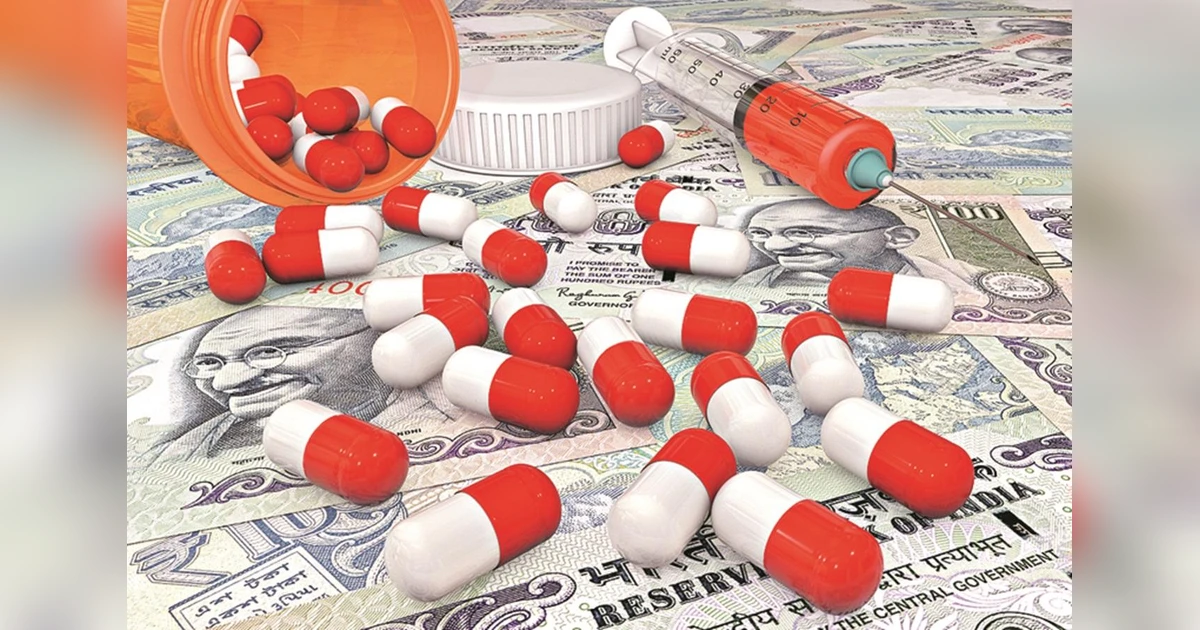
The Nifty Pharma index fell nearly 2 percent to emerge as the worst-performing sectoral index in early trade on Wednesday, with heavyweight drugmakers Sun Pharma, Cipla and Dr Reddy's Laboratories featuring among the top losers on the Nifty 50 after US President Donald Trump unveiled a phased tariff plan for imported generic medicines. The tariff announcement raised concerns over the long-term outlook for Indian drugmakers that derive a significant share of their revenue from the US market.
The Nifty Pharma index fell 1.7 percent to 25,650.10, making it the worst-performing sectoral index on the NSE. The broader market was also weak, with the Sensex down 390.62 points, or 0.5 percent, at 77,079.49 and the Nifty down 100.95 points, or 0.42 percent, at 24,086.75 at 09:16 am IST. India VIX rose 3.8 percent, reflecting heightened market volatility.
The selling was broad-based across the pharmaceutical pack. Aurobindo Pharma led the losses, falling 2.6 percent, followed by Glenmark Pharma and Zydus Lifesciences, which declined around 2.5 percent each. Lupin and Cipla slipped over 2 percent, while Biocon, Ajanta Pharma, Sun Pharma, Alkem Laboratories, Dr Reddy's Laboratories, Gland Pharma, Mankind Pharma and Divi's Laboratories also traded lower.
Among the Nifty 50 constituents, Cipla, Sun Pharma and Dr Reddy's Laboratories featured among the top losers in early trade, falling 1.5-2 percent each, reflecting the pressure on the sector following Trump's announcement.
Trump on Tuesday outlined a staggered tariff regime for generic medicines imported into the US. Under the plan, generic drugs entering the country will continue to attract zero tariffs for two years beginning August 1, 2026. Import duties will then rise to 100 percent from August 1, 2028, before doubling to 200 percent a year later.
In a post on Truth Social, Trump said the policy was aimed at encouraging pharmaceutical companies to shift manufacturing to the US. He added that companies choosing not to establish manufacturing facilities within the stipulated timeframe would face penalties, while the administration's policy on patented, branded and innovative medicines would remain unchanged.
The announcement has put the spotlight on Indian pharmaceutical companies, which are among the largest suppliers of affordable generic medicines to the US. Companies including Sun Pharma, Dr Reddy's Laboratories, Cipla, Lupin, Aurobindo Pharma and Zydus Lifesciences have a significant presence in the US generics market, making the proposed tariff roadmap an important long-term consideration for their manufacturing and investment strategies.
Speaking to CNBC-TV18, Priyanka Chigurupati, Executive Director at Granules India, said manufacturing generic medicines in the US would be significantly more expensive than in India. She estimated that shifting production to the US would increase manufacturing costs by 25-30 percent and said a two-year transition period was "extremely short" given the complexity of the products supplied to the US market.
Chigurupati said that Granules already operates a manufacturing facility, a packaging site and a logistics arm in the US. However, she said drug prices would need to increase by 50-70 percent to make large-scale generic drug manufacturing economically viable in the country.






























0 Comment